
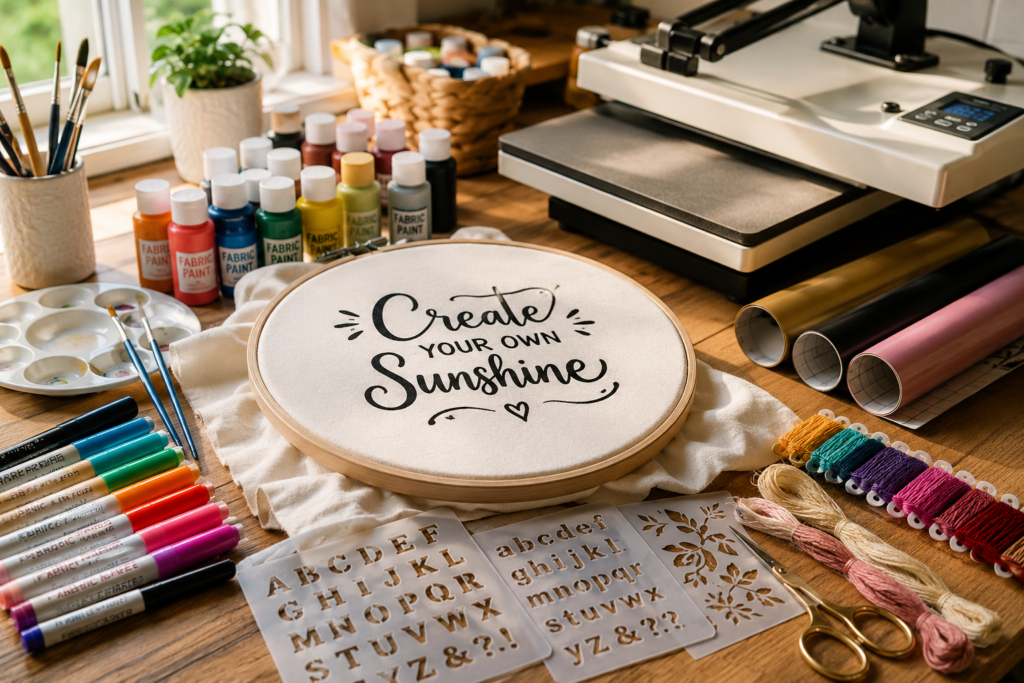
Writing on cloth is currently one of the most beloved ways of customizing fashion, making unique presents, and venting one’s artistic side. From printed T-shirts and bags to embroidered lettering and fabric painting, writing on textile gives an ability to both individuals and enterprises to turn regular textiles into meaningful art pieces. Designing garments for self-use is only one reason to consider writing on fabric, other reasons include designing clothing for branding and running a creative business.
In this handbook, we will discuss various methods of writing on a fabric, which fabric is most suitable for writing, artistic writing inspiration, and useful tips to make your creation last longer.
What Is Writing on Cloth?
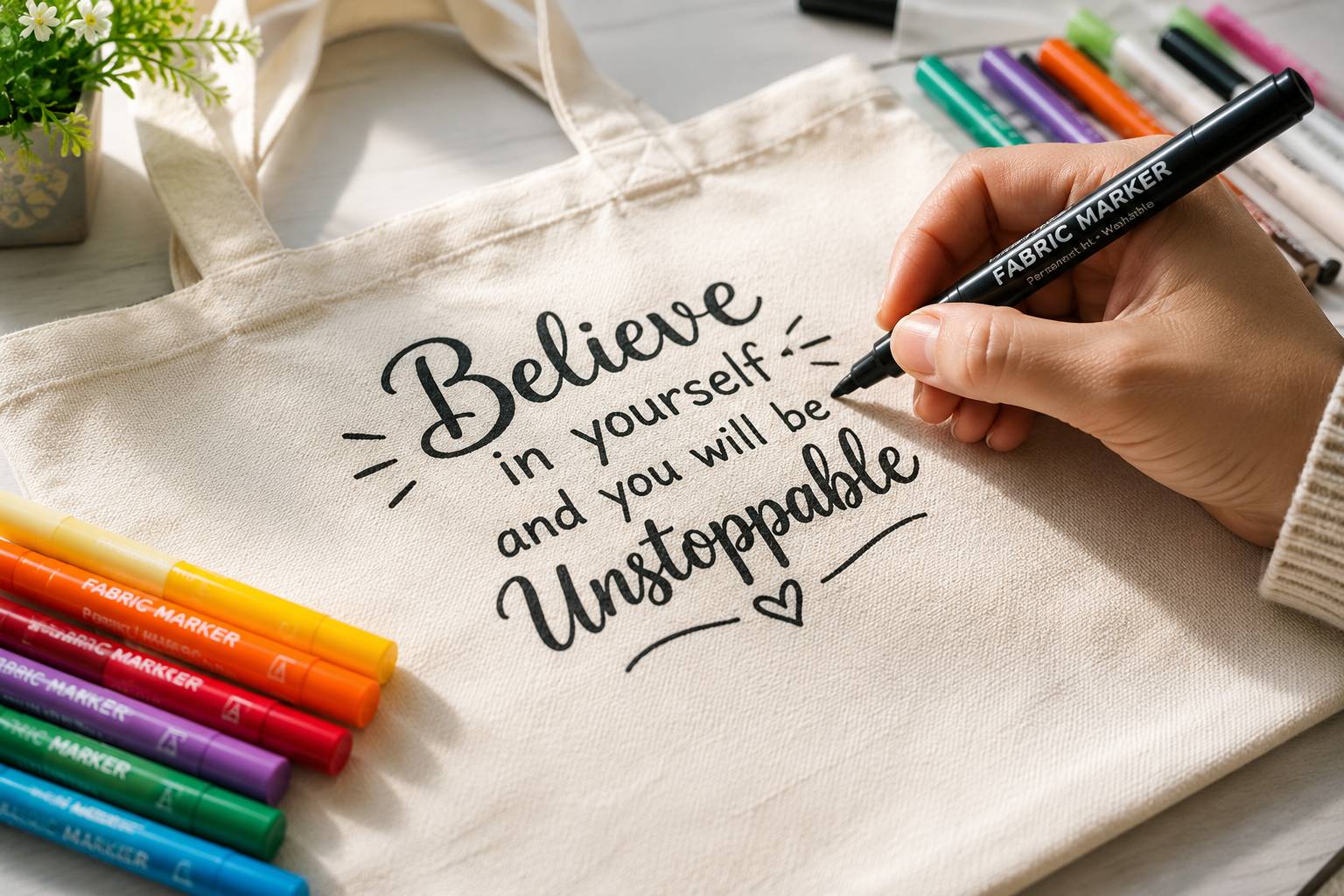
Writing on a cloth is the act of labeling fabric with letters, numbers, writing, symbols, or artistic typography by means of different methods.
Depending on style and intent, the mark may be lifelong or ephemeral, drawn by hand or with a machine, decorative or functional.
People can write on cloth for many reasons, including:
- Personalized garment making
- Designing unique uniforms
- Creating one-of-a-kind gifts
- Home textile embellishment
- Promotion merchandise production
- Wedding or event decoration
- Personalizing baby clothes
- Fashion designing
Digital technology has increased the scope of both amateurs and pros to create professional-quality fabric lettering.
Popular Methods of Writing on Cloth
There are various ways to write on a fabric, with each having its own set of unique drawing tools.
1. Fabric Markers
Fabric markers are among the easiest tools for beginners. These markers contain permanent ink specially formulated for textiles.
Pros:
- Simple to operate
- Cheap
- Exists in numerous shades
- Can be used for fine lettering
- Great for DIY projects
Fabric markers are most effective on cotton, canvas, and light-colored fabrics.
2. Fabric Paint
Fabric paint is a great option if you want colors that pop and have a high level of durability. With this medium, you can use brushes, sponges, or stamps to apply paint.
Advantages:
- Visually striking
- Long-lasting
- Resistant to washing after curing
- Ideal for artistic typography
Besides freehand painting, stencil offering the help in the manufacture of neat and professional lettering.
3. Heat Transfer Vinyl (HTV)
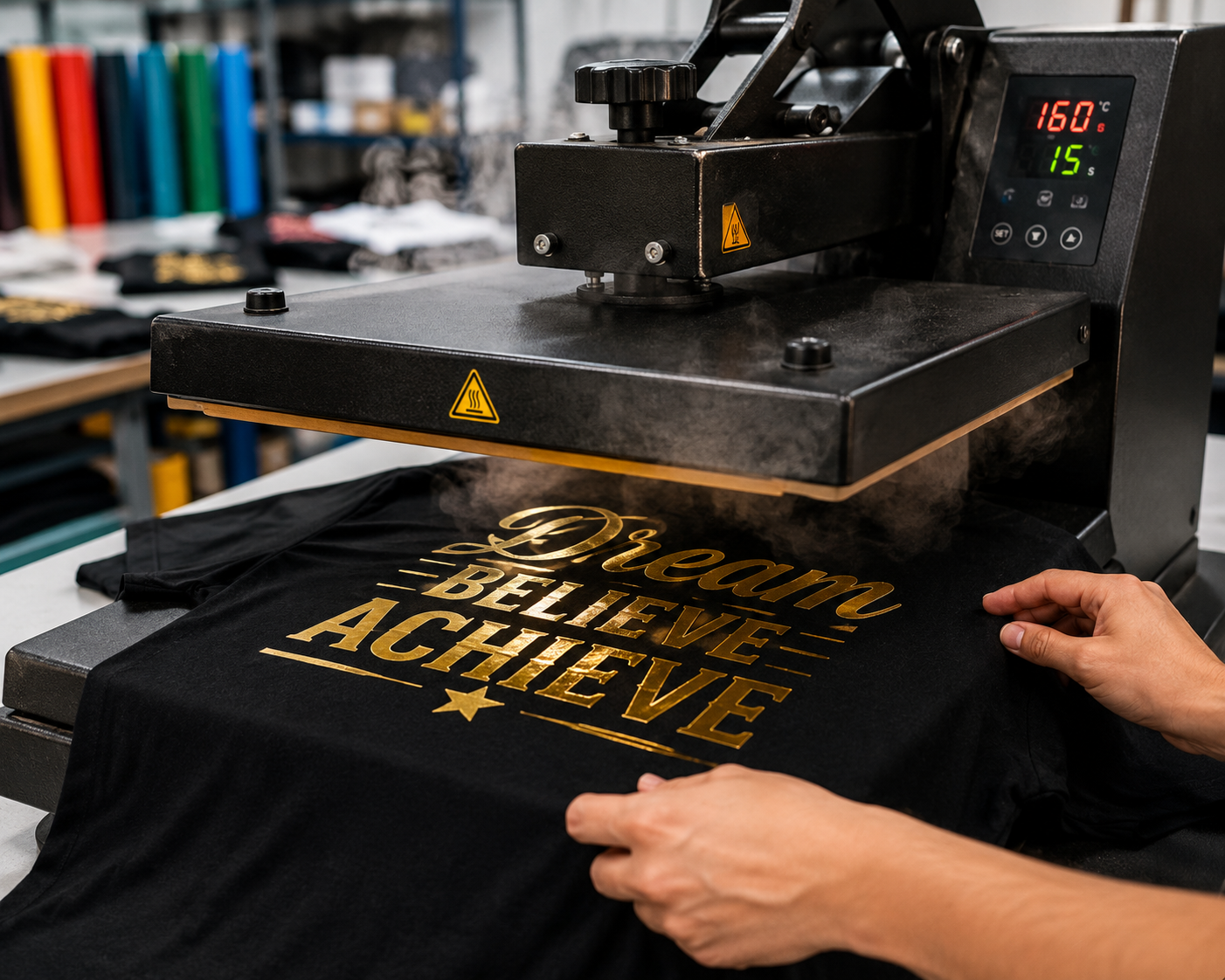
Heat transfer vinyl is a popular choice among entrepreneurs in the apparel customization industry. Firstly, a cutting machine cuts the design, which is then applied using a heat press or household iron.
Advantages:
- Very clear lettering
- Highly professional appearance
- Great durability
- Very large selection of colors and textures
- Ideal for mass production
HTV is most often found on sports jerseys, company uniforms, and custom T-shirts.
4. Screen Printing
Use screen printing if you want to make many copies of the same design.
Characteristics:
- Outstanding color effects
- Well-suited to large order
- Durable
- Very good color matching
The reason that many brands do screen printing is, it generates length usage and high-quality lettering.
5. Embroidery
Threadwork replicates written texts and is additionally able to produce relief effect visible and tactile, handwork with quantity layers and colors.
Very common examples:
- Product tags
- Branded uniforms
- Head gear
- Coat Brand
- Large towels
- High fashion
Embroidery, apart from being visually striking, also makes a fine impression with its superior durability.
6. Digital Fabric Printing
Digital printing is a modern printing technique that allows for textile-based, high quality reproduction of texts with no restriction on number of colors used.
Benefits:
- Possible to use an infinite number of colors
- Very precise printing
- Quick run
- Fancy typography treatment
- Great for customized items
Digital printing can be a good option for fashion designers and web-based clothing outlets.
Best Fabrics for Writing
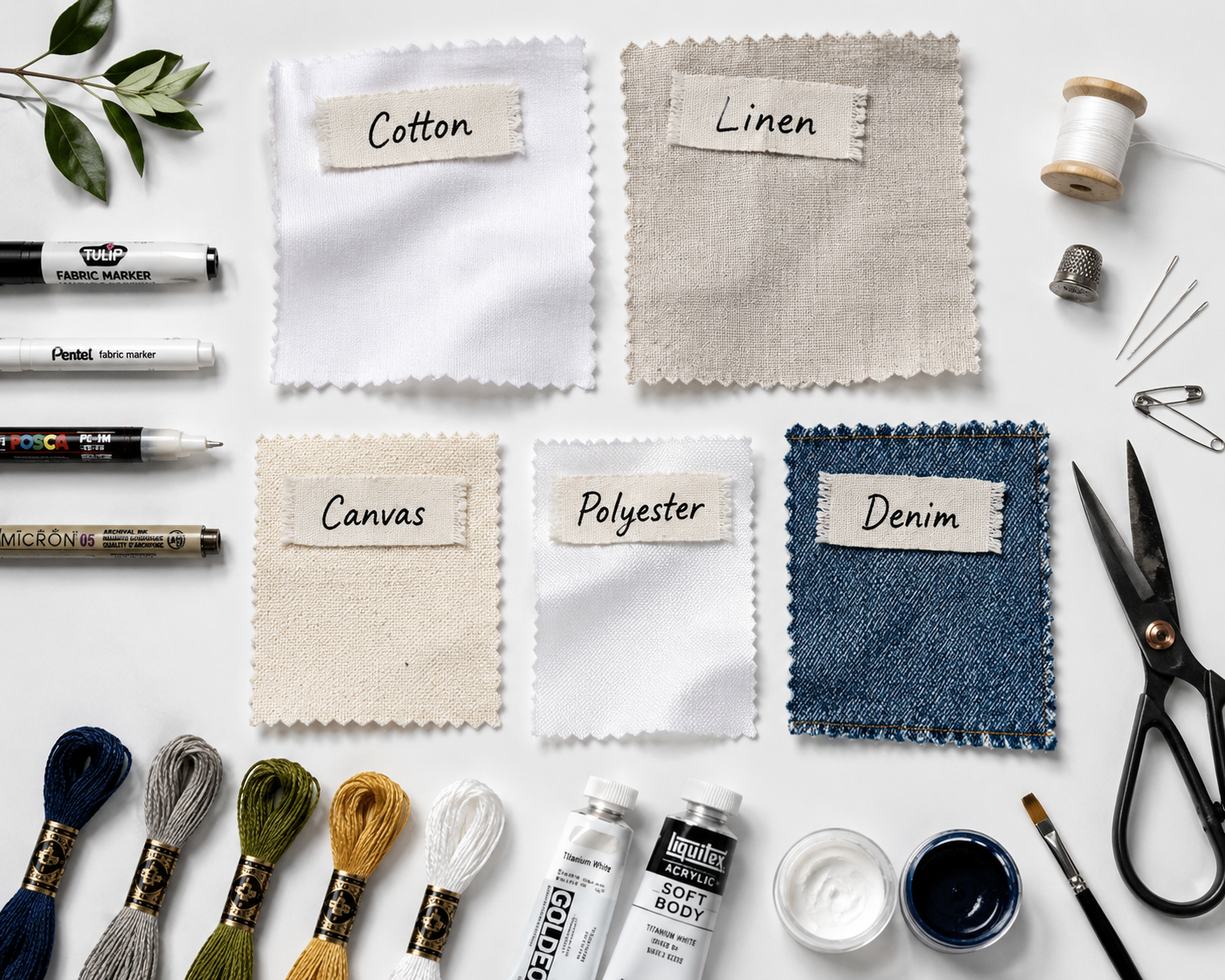
Since fabrics differ in their characteristics, one must carefully select the fabric to ensure both longevity and good appearance.
Cotton
Cotton is one of the best fabrics for writing because it soaks into the paint and in addition it has a very pleasant surface to touch.
Suitable for:
- T-shirts
- Shopping bags
- Tan coats
- Aprons
Canvas
Canvas is a heavyweight, rugged cloth that works well with large, thick lettering.
Typical use:
- Carry bags
- Shoes
- Wall pictures
- Decorative banners
Linen
Linen or flax textile has a very natural and subtle surface that can be used as an original and beautiful writing medium.
Perfect for:
- Tablecloths
- Napkins
- Decorative textiles
Polyester
It is especially suitable for heat transfer vinyl and sublimation printing.
Commonly used for:
- Sportswear
- Activewear
- Promotional clothing
Creative Ideas for Writing on Cloth
Offering the combination of fun and art, writing on textile can bring anywhere creations of personalities.
Personalized Clothing
Custom made quotes, names, initials or motivational words are a formula for great garment originality.
Examples:
- Birthday shirts
- Family reunion T-shirts
- Outfits for couples
- Graduation apparel
Home Décor
Adding text on textile is a great way to decorate your place.
Items:
- Throw pillows
- Table runners
- Wall hangings
- Curtains
- Kitchen towels
Wedding Decorations
Personal touch at weddings with custom fabrics.
Frequently used are:
- Welcome banners
- Chair decorations
- Bridal robes
- Handkerchiefs
- Table linens
Business Branding
Many companies use fabric print to brand their promotional items.
Such as:
- Employee uniforms
- Promotional bags
- Event T-shirts
- Trade show banners
- Branded merchandise
Gifts
Personalized messages written on fabric make wonderful gifts.
Examples:
- Baby blankets
- Memory quilts
- Personalized tote bags
- Handmade aprons
- Christmas stockings
Tips for Perfect Fabric Lettering
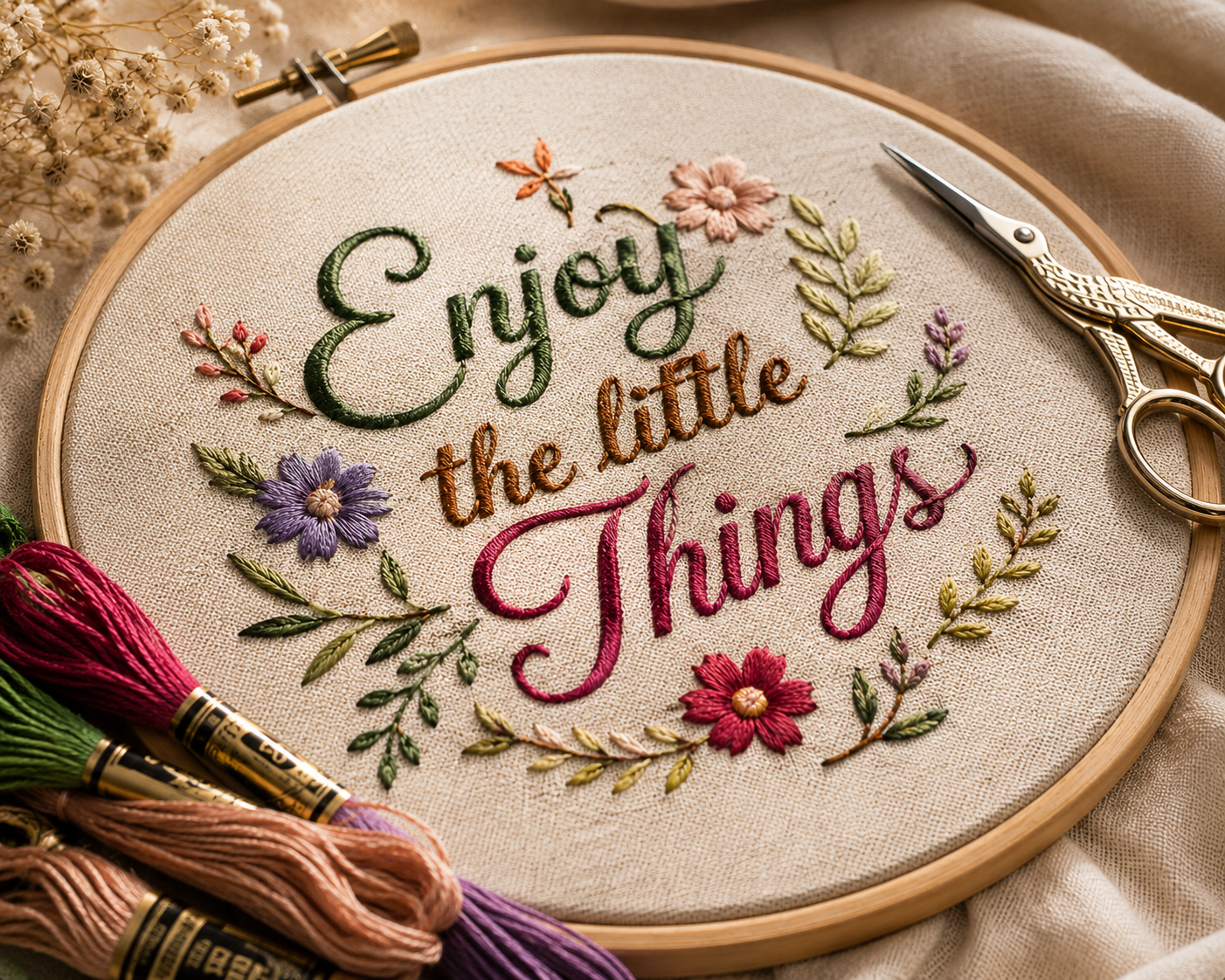
Want to have a beautifully created fabric project? Read on for a few simple tips that will help you.
Wash the Fabric First
Washing removes fabric treatment chemicals that may hinder your paint sticking properly and reduces chances that fabric will shrink after you have decorated it.
Use a Flat Surface
If you stretch the fabric flat before writing, you go a long way in preventing your letters from being uneven.
Practice First
You should go through the action of drawing your design on a scrap piece of cloth before going through the whole process.
Choose the Right Font
Favorable fonts for writing on fabric are simple ones as they tend to be quite clear and produce neat results.
Allow Proper Drying Time
For good results, leave fabric paint or markers dry sufficiently before using it or washing.
Heat Set the Design
Many fabric colored inks can withstand a significantly higher number of washes if they are heat set by ironing.
However, you should always do what the manufacturer of your ink says first.
How to Care for Written Fabric
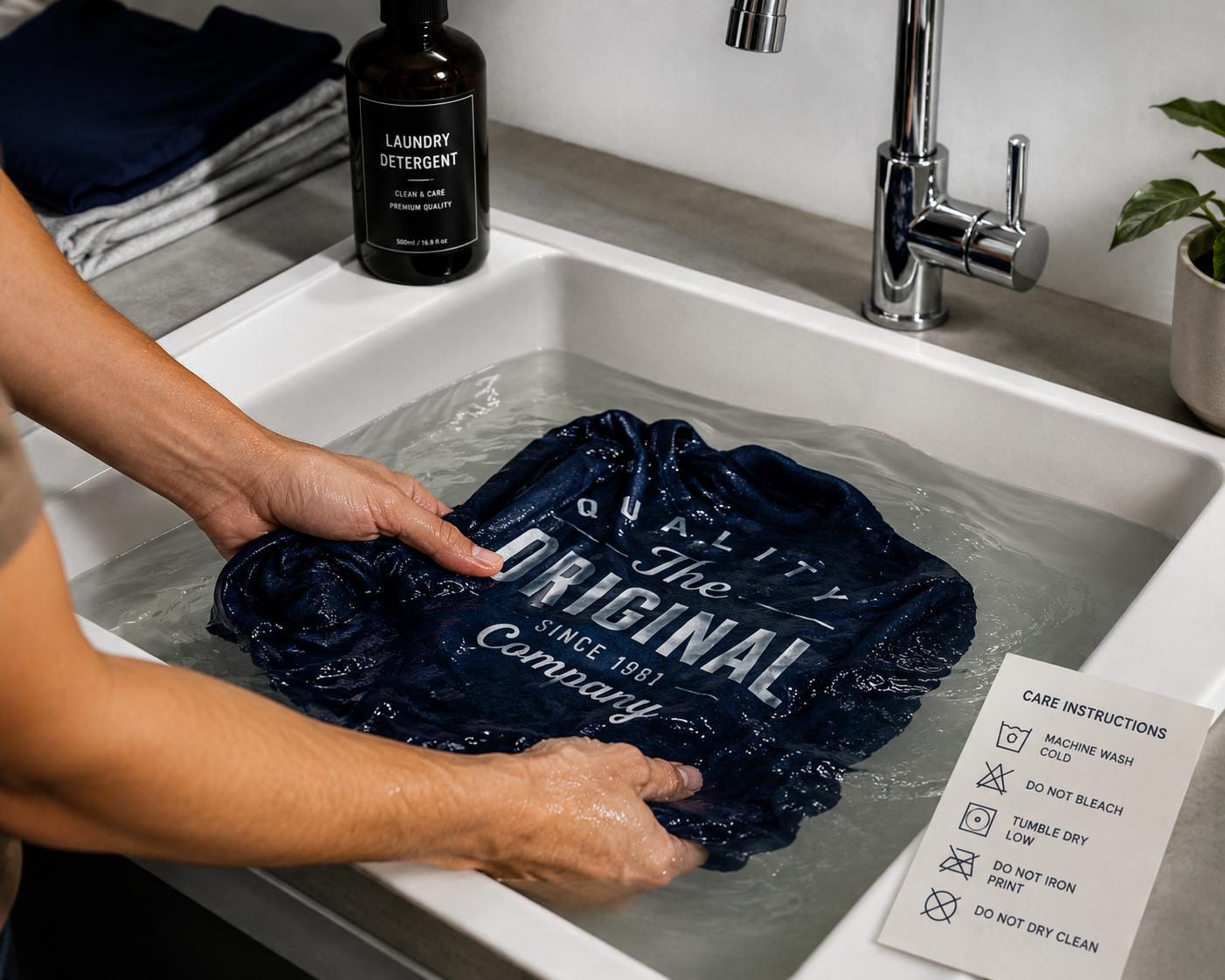
To keep your fabric lettering from fading the proper care is necessary.
Here is a simple set of recommendations to help you:
- Turn garments inside out when washing.
- Use cold water for washing.
- Use a gentle detergent, and choose the gentler wash cycles.
- Stay away from bleaching agents.
- If possible, dry around the fresh air.
- Press the iron onto the reverse side.
- Try not to use too much heat when drying, especially for long cycles.
If you maintain your fabric properly your designs will be able to remain vibrant in color for a long time.
Common Mistakes to Avoid
The tricks which promote the quality and endurance of your work are many, and by the end, you will be no longer a beginner.
Some of the major blunders encountered by newbies:
- Using regular markers instead of fabric ones
- Writing on an unclean fabric
- Not heat setting your designs
- Washing immediately after decorating
- Using too much paint
- New fabrics not well attended
- Ignores drying instructions
By not repeating these errors your condition and longevity of your work will get better.
Is Writing on Cloth Permanent?
The permanence is the property you will have to choose if the method is to be used depends on.
- After heat setting, fabric markers become permanent.
- Fabric paints are durable and provide long-term use.
- Embroidery is probably the most permanent type.
- HTV lasts for many washes if applied correctly.
- Screen printing provides excellent long-term durability.
Therefore, the lifespan of your fabric lettering is considerably increased if you buy good-quality materials.
Why Writing on Cloth Is So Popular
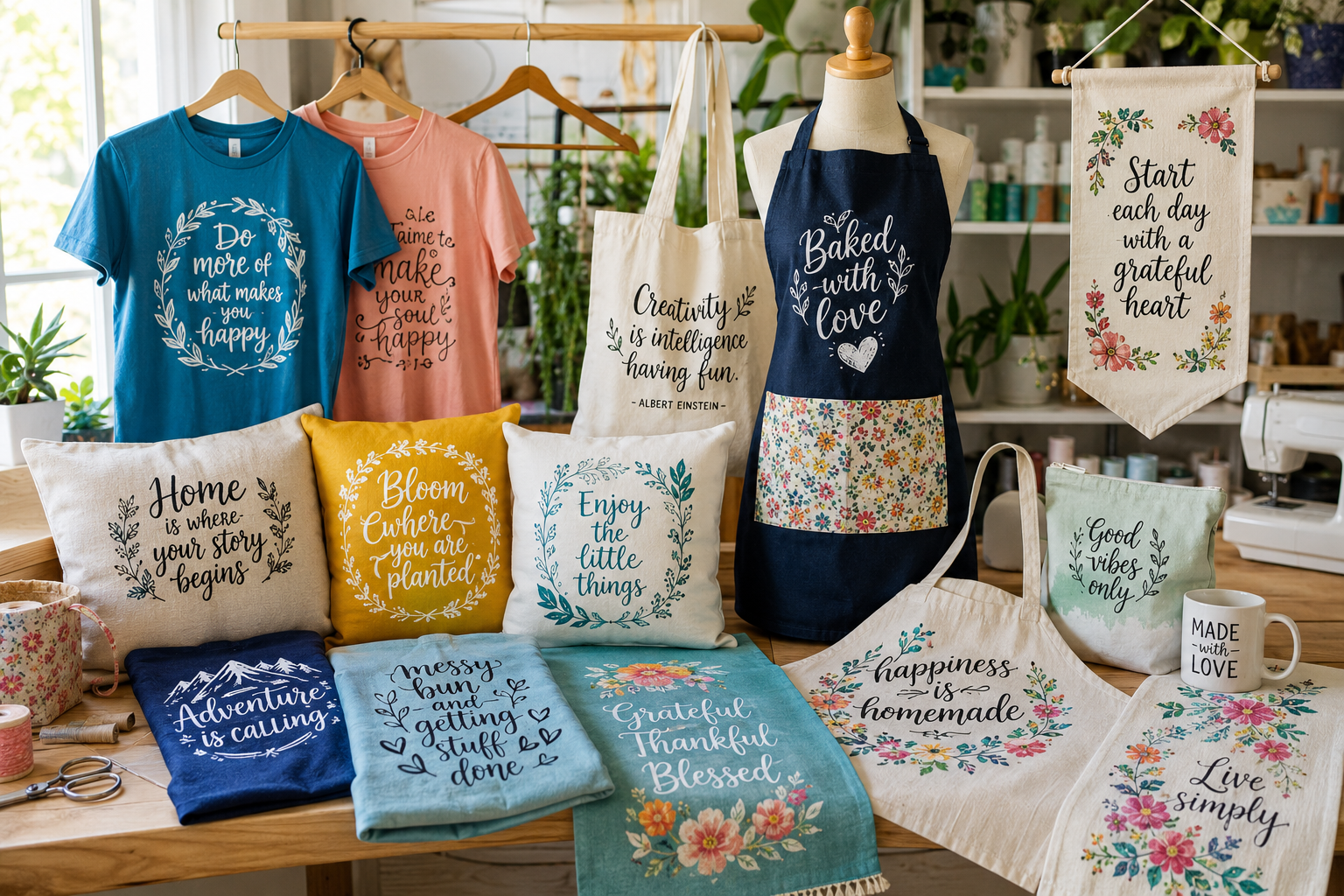
Speaking of the rising popularity of fabric lettering, combining creativity with functionality is what attracts people most. It opens a door to a person’s mind so that they can manifest vividly their personality, celebrate special occasions, push a business, and come up with fashionable items totally different than the others. Modern equipment and printing technology along with cheap tools have helped everybody make their own design on the textile even if they haven’t had professional experience before.
So it means that whether you are making a personalized gift, starting a clothing brand, or simply decorating your favorite tote bag, writing on cloth provides you with the flexibility and options to creatively express yourself and channel your artistic energy.
Writing on cloth is not simply a means to add words to fabric; rather it’s a creative way of personalizing everyday items and the illustration of one’s ideas. There are various techniques that best fit every level of skills and budget, from a simple fabric marker to advanced embroidery and digital printing. By choosing the suitable materials, following correct application methods, and caring your finished products, you’ll be able to make durable and attractive fabric patterns that will last through time.
Being a DIY type, an artist, a fashion designer or a business person, fabric lettering is a great option for you if you want to come up with non-standard pieces that will be remembered. Go ahead to try different techniques and make ordinary materials truly meaningful and fashionable.
FAQ’S
1. What is writing on cloth?
Writing on cloth refers to the clarification of fabric using letters, numbers, signs, or imaginative lettering, through various methods that fabricate customized, personalized or decorative designs.
2. What are popular methods for writing on fabric?
The most familiar methods of writing on fabric are fabric markers, fabric paint, heat transfer vinyl (HTV), screen printing, embroidering, and digital fabric printing which all have their own unique benefits and applications.
3. Which fabrics are best for writing on?
Cotton, canvas, linen, or polyester should be chosen depending on the desired method. For instance, cotton is a good choice to write with fabric markers while polyester is a good option for heat transfer vinyl.
4. How can I ensure my fabric lettering lasts?
Increase the long-lasting effect by washing the fabric before customizing, using flat surfaces, applying simple font types, drying proper time, and following care instructions like turning garments inside out while washing.
5. What common mistakes should I avoid?
Using fabric pens other than proper fabric ones, labeling unwashed fabrics, skipping the heat setting step, washing garments prematurely, applying too much paint and ignoring the drying instructions are some of the mistakes that you should stay away from.
Related Post:
How to Identify a Pure Kanjivaram Silk Saree