
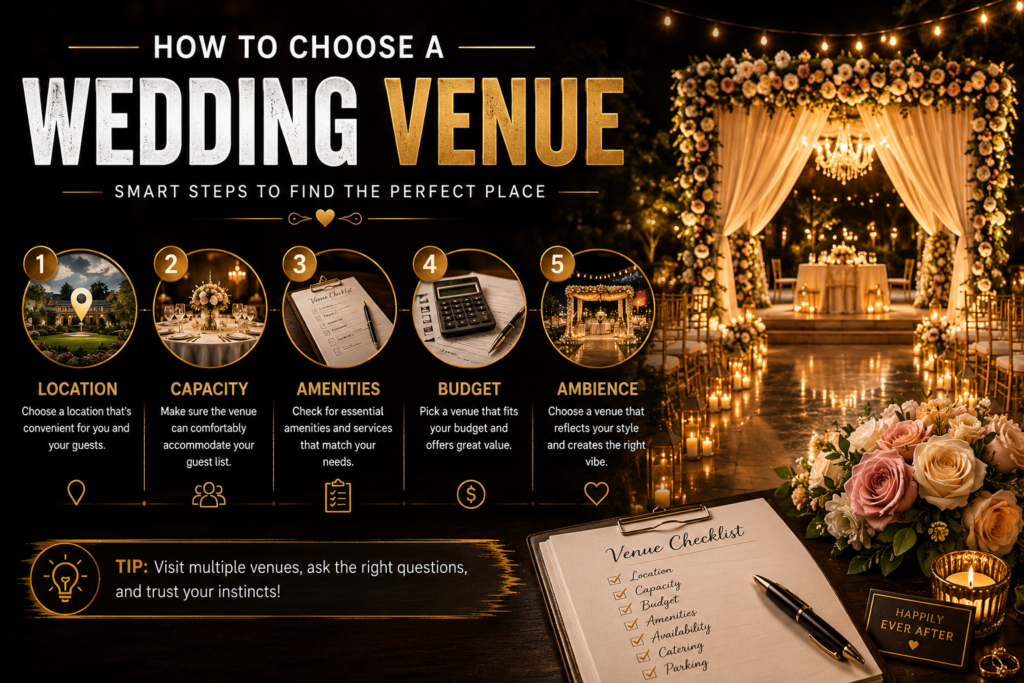
Deciding on the right wedding venue is one of the major choices you’ll have to make when arranging your wedding. Simply put, a venue sets the overall mood of the event, it is what your guests will mainly experience, your decorating options will largely depend on it, and it will likely be a significant part of your wedding budget.
You might be imagining a splendid ballroom, a lovely garden, a country barn, or a gorgeous wedding on the beach. In fact, no matter what you opt for, securing the right place is a big challenge that involves thorough planning and sincere reflection.
Discovered themselves caught in a maze of stunning venues and wondering which one to choose? Don’t worry! This guide helps you identify the key criteria that will allow you to select a venue with confidence – the one that fits both your dream and your wallets.
Why Wedding Venue Selection Is So Critical
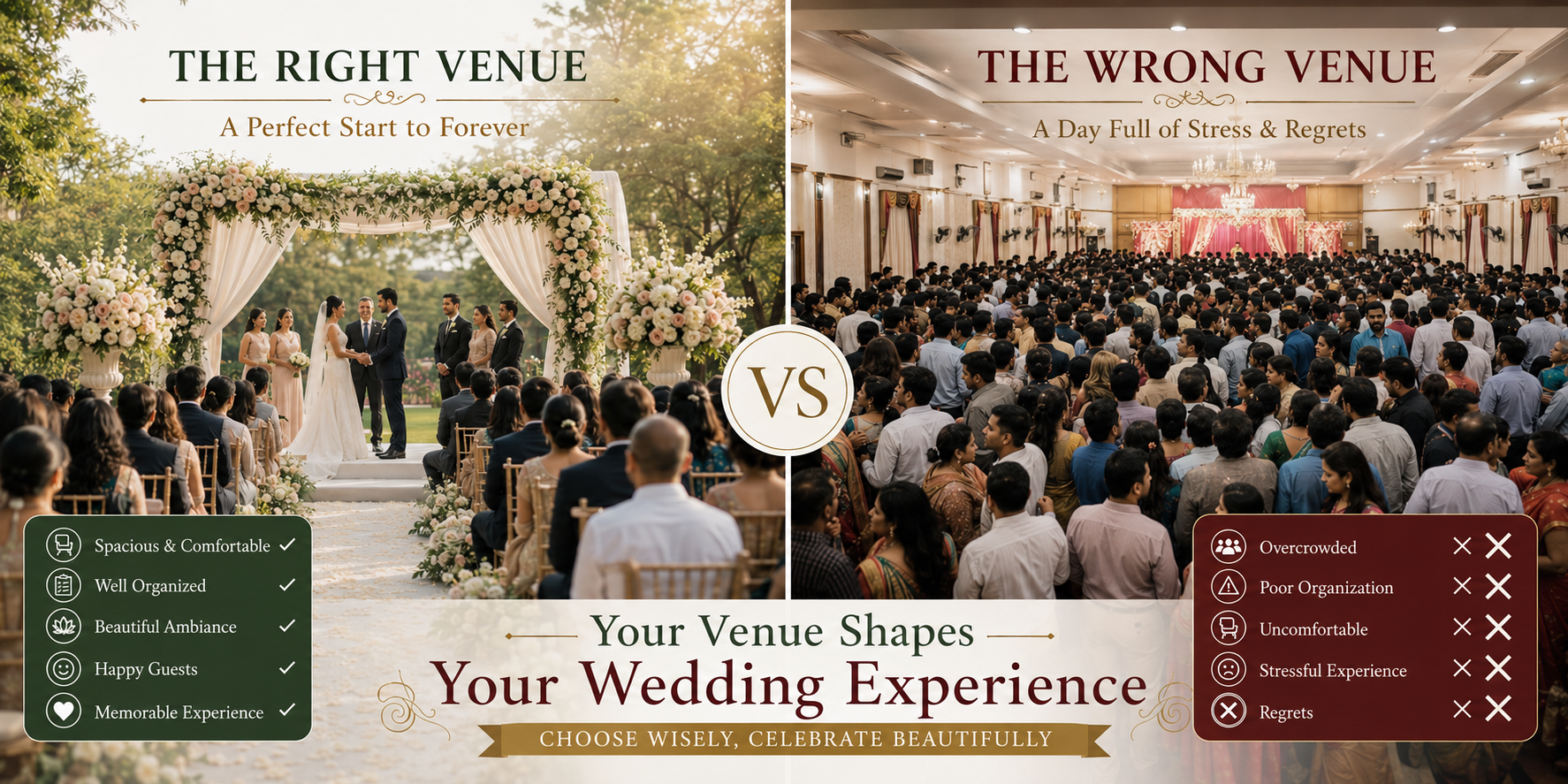
Your wedding venue is the main framework of your wedding. Besides setting the style and tone of your wedding, it also determines the following aspects:
- The theme and overall style of your wedding
- The number of guests that can be comfortably accommodated
- The locations and poses available for taking pictures
- The different food options
- The possibilities for decoration
- How entertainment can be set up
- The level of comfort that guests will have during the event
Identifying the right venue in the beginning makes everything else – the wedding decor, the theme, the schedule, etc. – easier to plan and execute.
1. Set Your Wedding Budget First
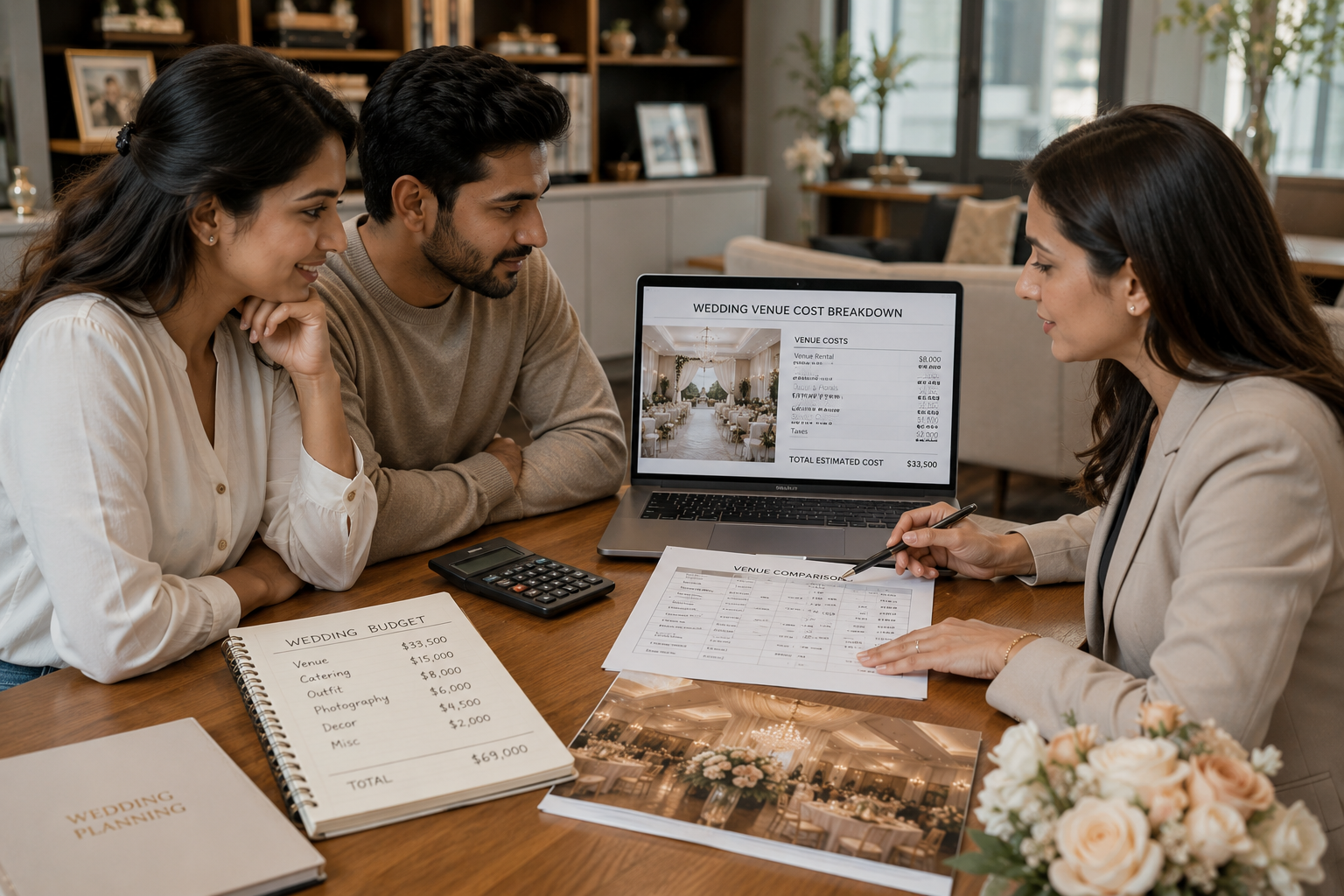
Setting a financial boundary is very important as you can’t choose a venue without knowing how much money you have for the entire event including this expense. Venues often charge quite different rates based on their location, the time of year/seasons, the level/types of amenities, and how popular they are. Also, note that the venue’s rental fee may not be the only cost that you will have to pay: Venue rentals are often accompanied by fees for services such as catering, chairs and tables, and decoration, among others. For this reason, it is crucial to request a complete cost breakdown before you proceed with the booking.
2. Estimate Your Guest List
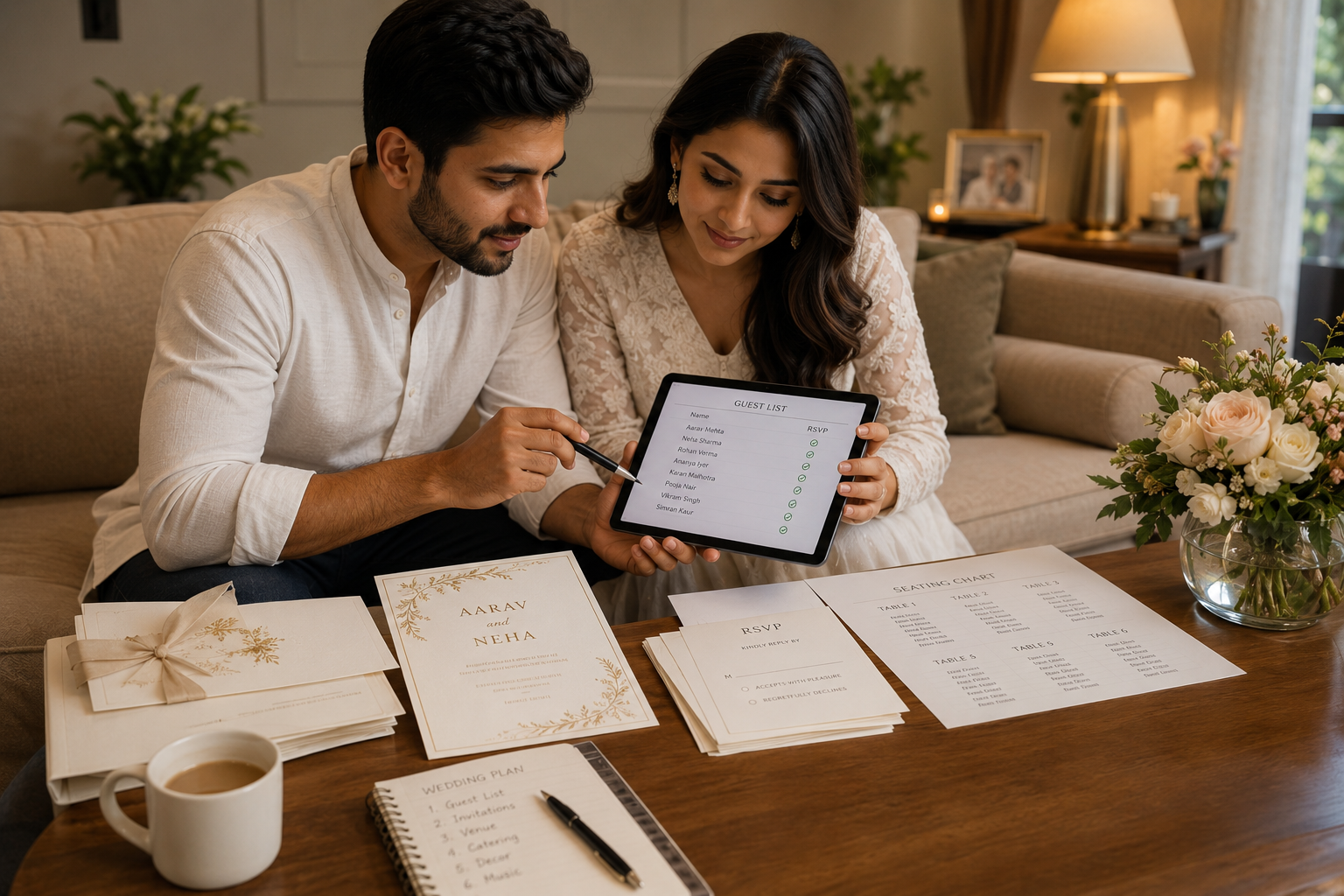
Guest number is a major factor in venue selection.
Too small venue makes everyone feel cramped and uncomfortable; while too big venue leaves everyone feeling disconnected from each other.
Try to get as close as possible to the actual number of people you will have at your wedding when you look at venues. Most wedding venues have two capacities specified, one for when everybody is seated, the other for standing-only reception. The latter is always higher which might cause you to overestimate the space you need.
3. Choose Your Wedding Style
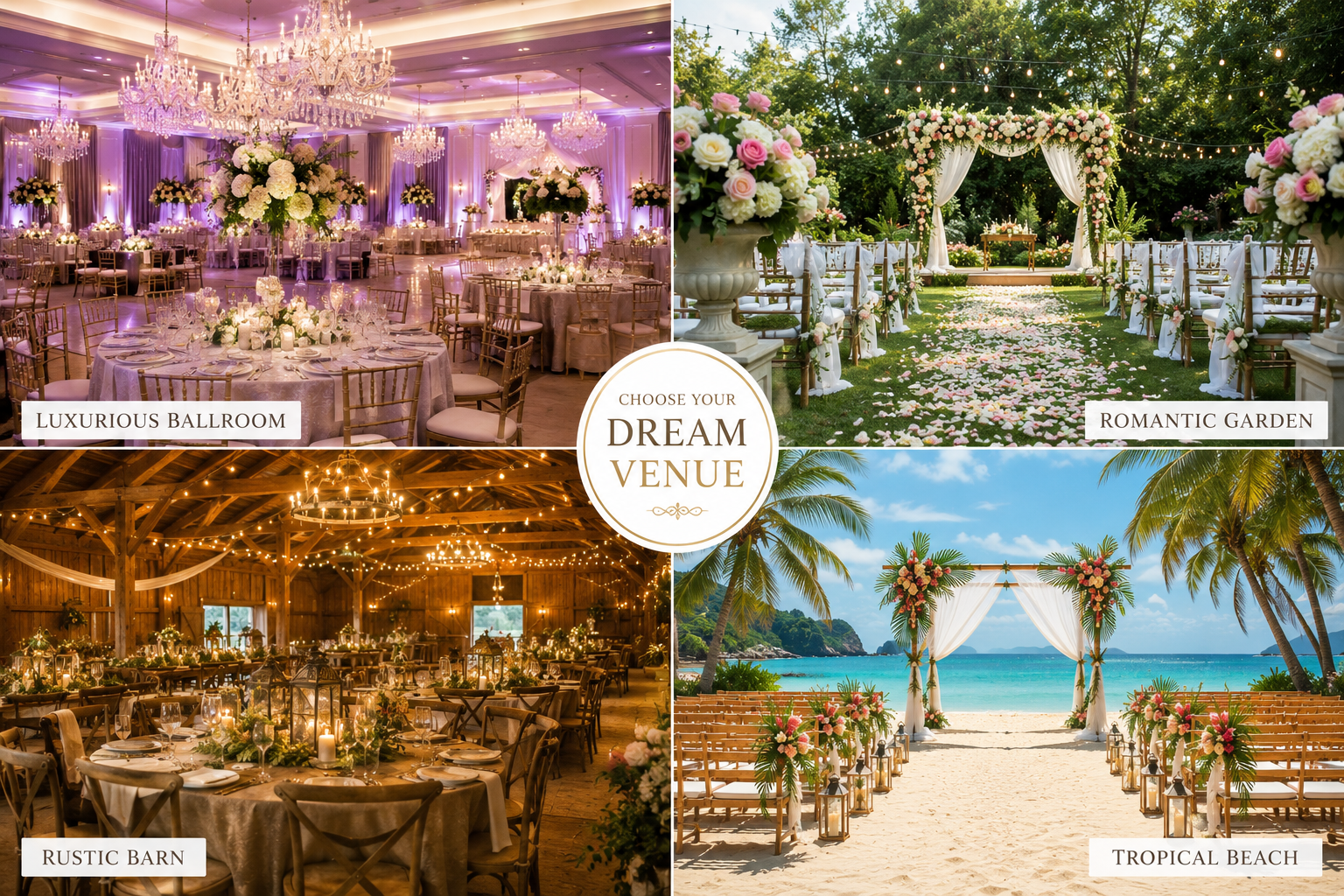
Decide how you want the vibe of your wedding to be.
You have a variety of choices in terms of wedding locations. Here are some examples:
- Grand hotel ballrooms
- Park and botanic gardens
- Period-style great houses
- Barns and rural buildings
- Beach resorts
- Mountain lodges
- Luxury banquet halls
- Vineyards and wineries
- Country clubs
- Rooftop venues
Ultimately, the venue should be a natural extension of your wedding style. This will lessen the need for unusually large decoration efforts.
4. Consider the Location Carefully
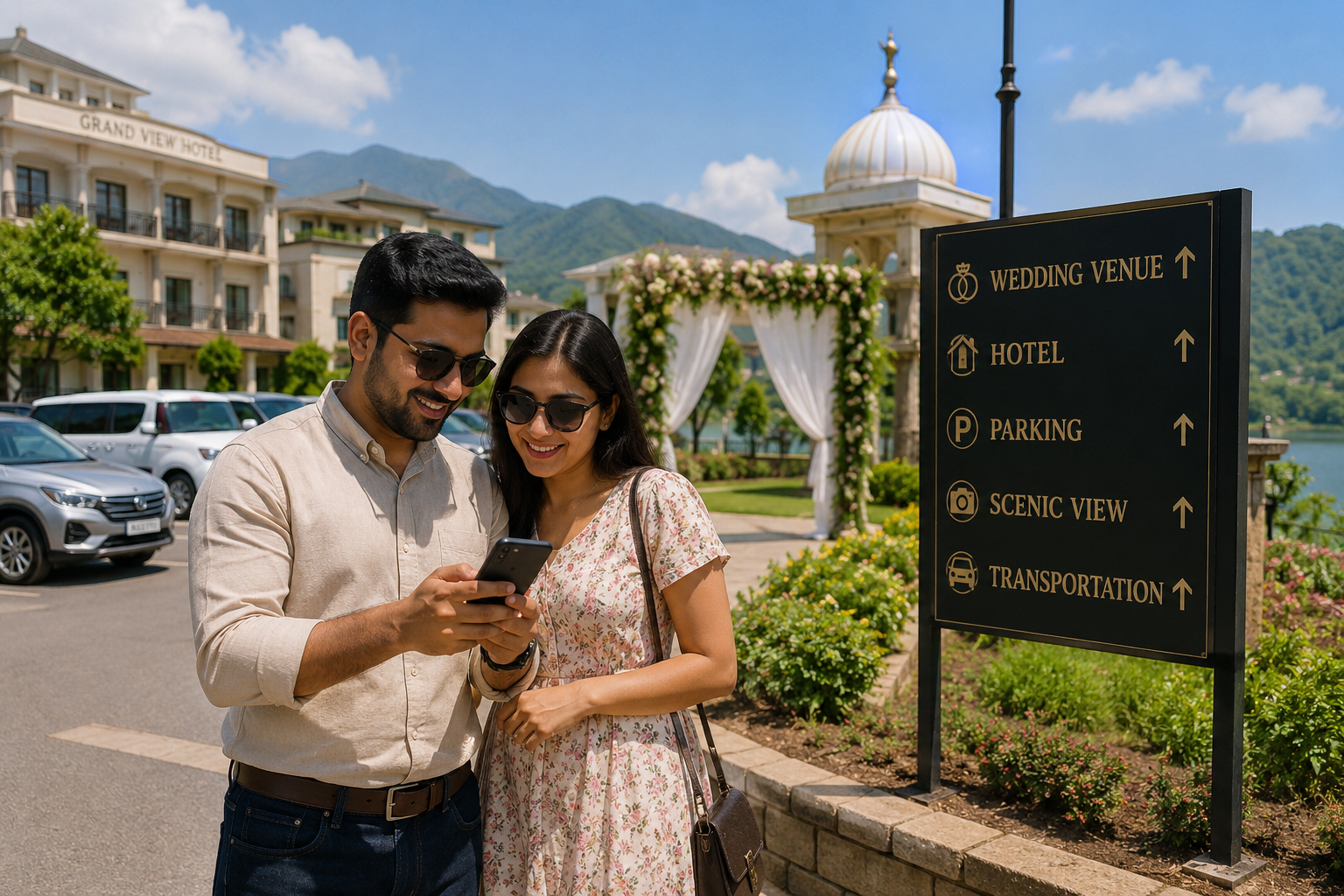
You and your guests should find the venue really easy to reach.
Some things to consider:
- Is it easy to get there?
- Is there parking nearby?
- Is there public transport?
- Is it close to a hotel for guests who are coming from out of town?
- Is it far from the ceremony location?
If you are going to be having a destination wedding, then keeping in mind about travel costs and accommodation options is important as it is not only you but everyone who will be attending.
5. Pick the Right Wedding Date
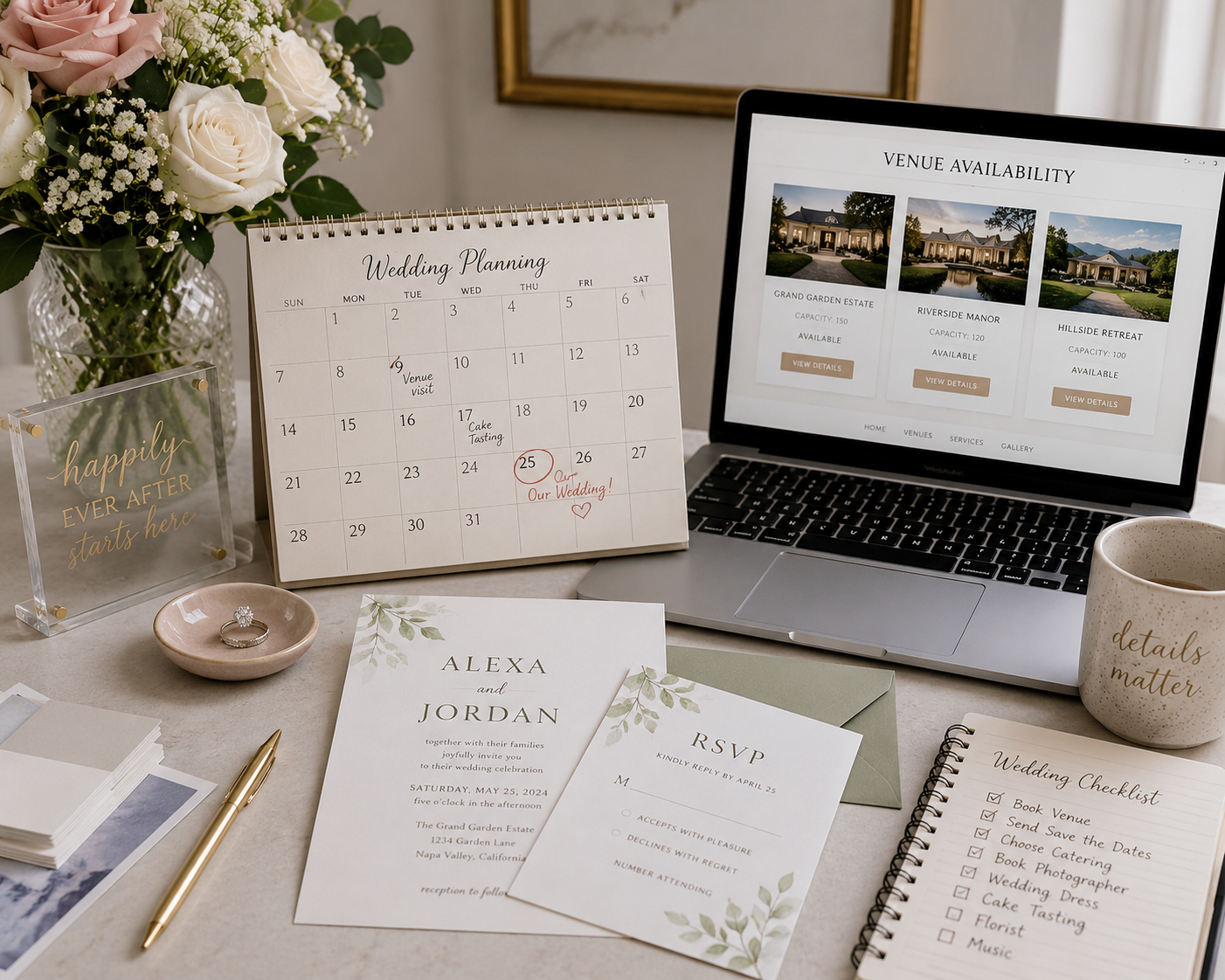
Remember that the top venues often get their calendar filled 12–18 months ahead of time, especially in the main wedding season.
If you are willing to consider other days, then you are likely to find:
Lower prices
More choice of venue
Greater availability of vendors
Often, weekday and off-season weddings can be very cost effective.
6. Understand What’s Included
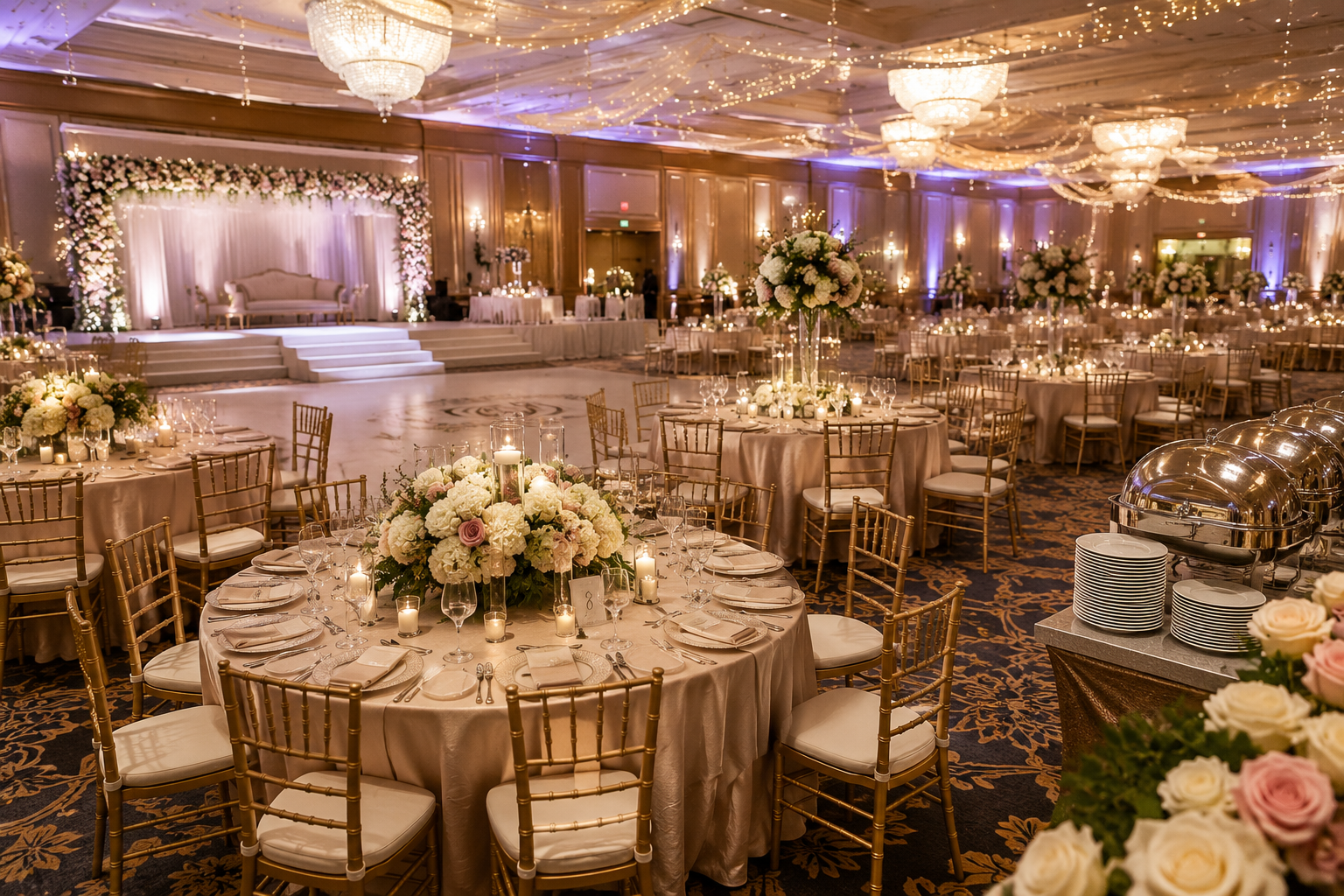
There are venues that provide full wedding packages and there are places that only give you the event space.
It is a good idea to ask the venue if they supply:
- Tables and chairs
- Linens
- Bridal suite
- Groom’s room
- Lighting
- Sound system
- Dance floor
- Event staff
- Setup and cleanup
- Security
- Parking attendants
Choosing a venue that takes care of everything on your behalf can take a lot of pressure off you as a planner and organizer!
7. Check Catering Policies
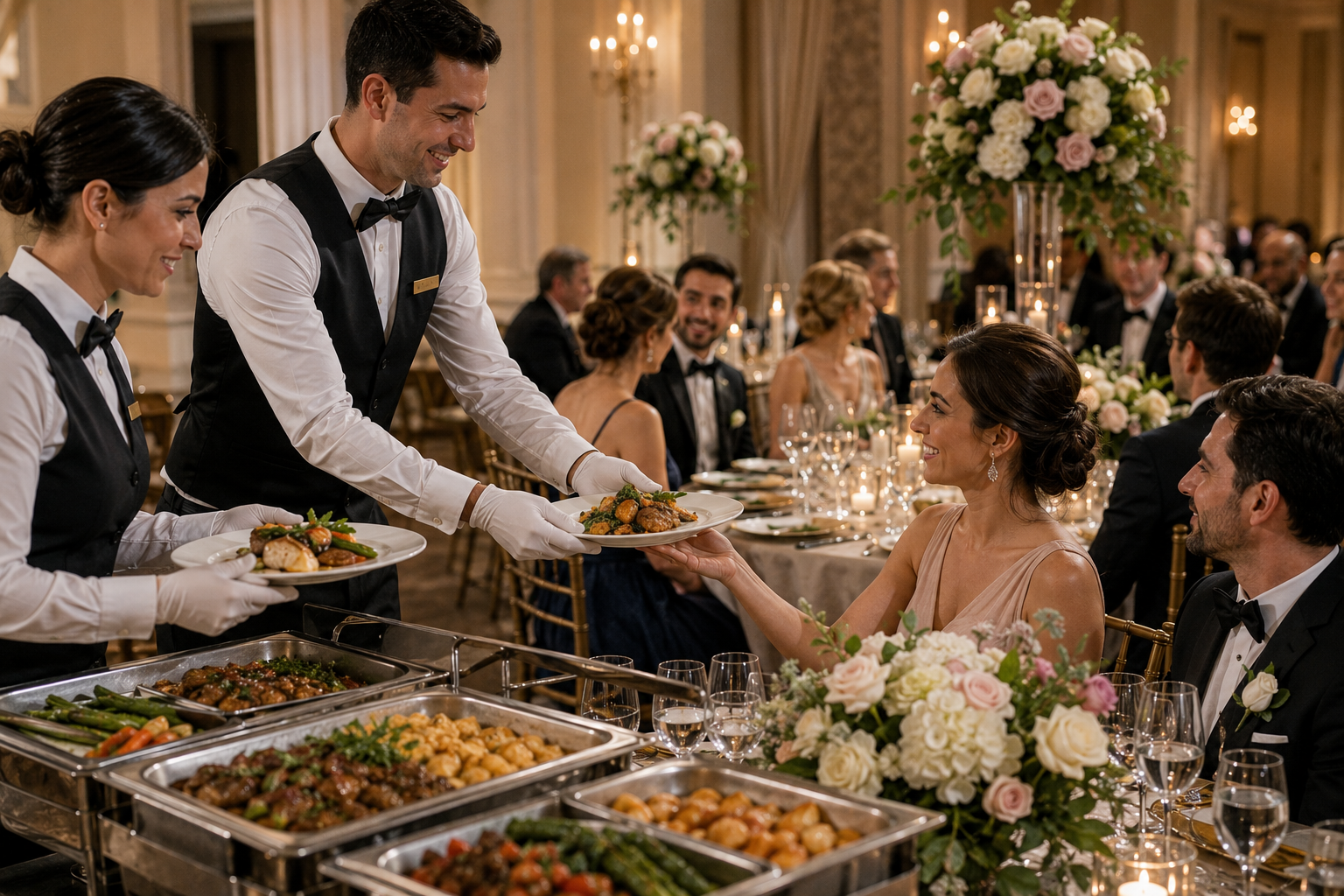
Food and drink are a very significant part of any wedding.
Some venues require you to use their catering company; some allow you to bring the caterer of your choice; some provide lists of their preferred vendors; some provide menus that can be customized.
If you and your family have some dietary restrictions or cultural eating habits, the first thing you need to do is to make sure the venue.
8. Evaluate Indoor and Outdoor Options
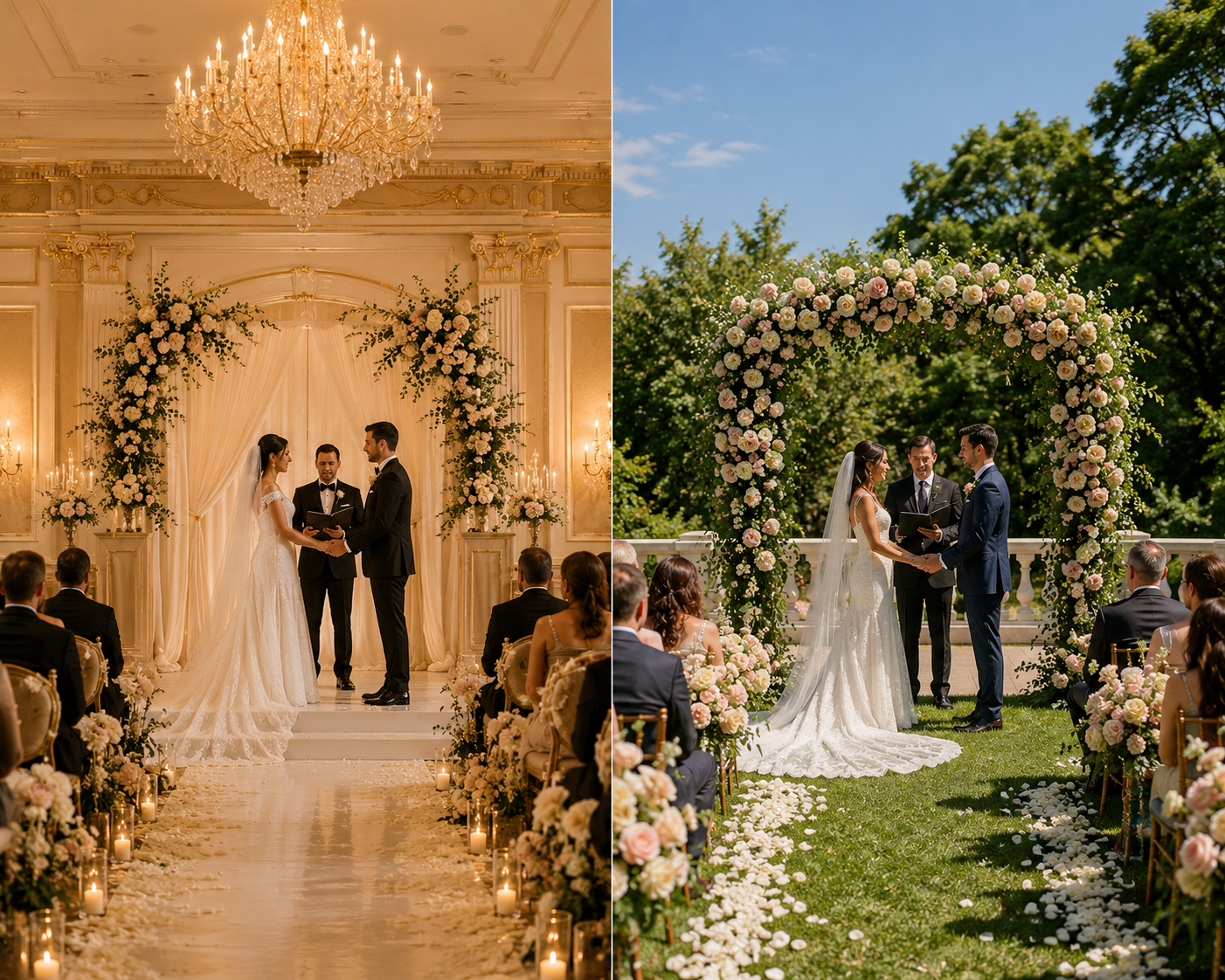
Outdoor weddings permit the use of beautiful settings but they are vulnerable to the weather.
Finding out if the venue has alternative arrangements in the case of:
- Rain
- Windy weather
- High temperature
- Low temperature
Indoor and outdoor facilities at the same venue with different access points offer the greatest versatility and reassurance.
9. Visit the Venue in Person
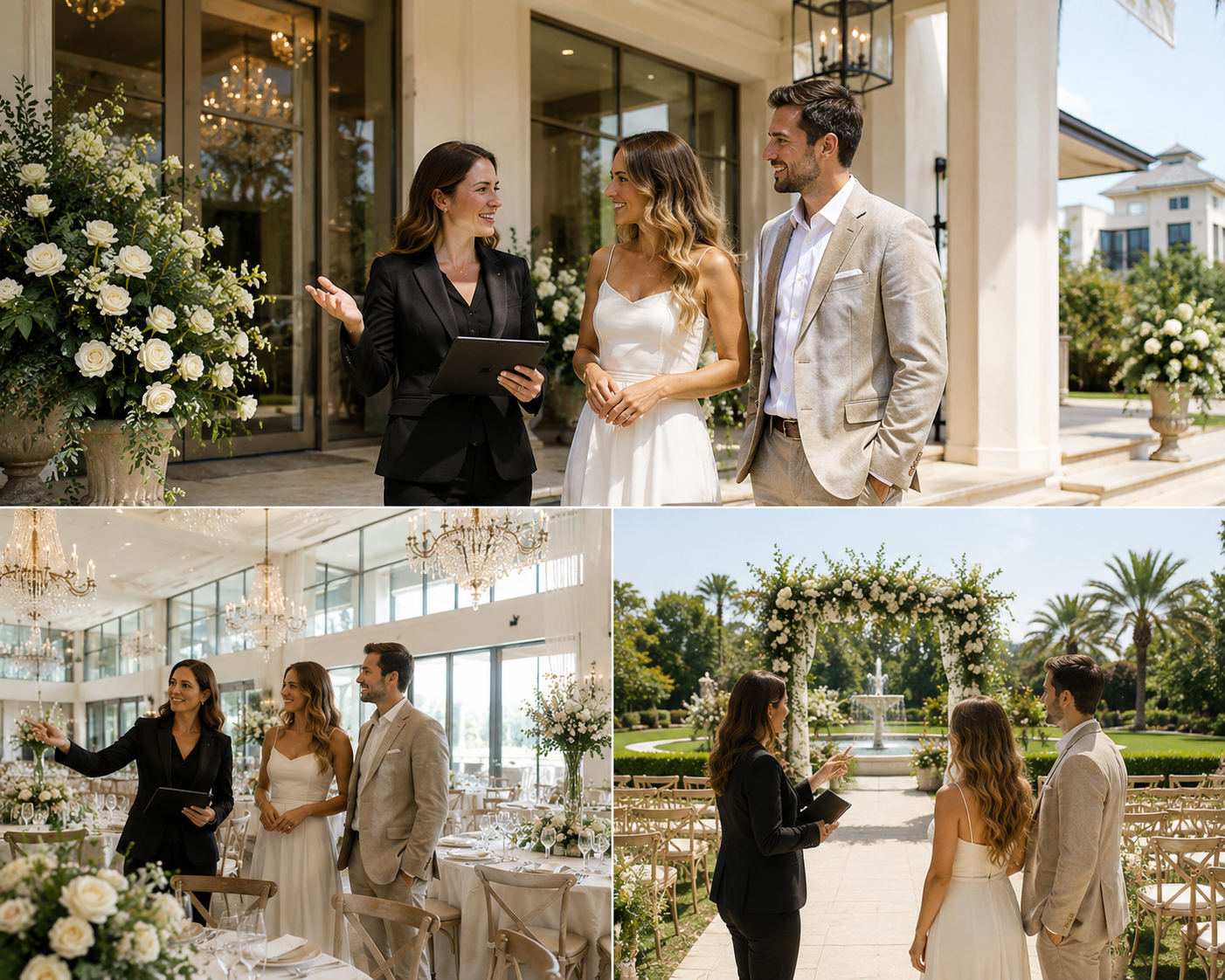
A photo can only tell a limited story. You must see the venue for yourself.
Here are some of the things to check when you are visiting a venue:
- The overall level of hygiene
- How bright is it with natural light and does it meet your needs?
- Noise levels and how much they might interfere with your event
- Whether the restrooms are well maintained and how many there are
- How easy it is to get around especially for people with disabilities
- Is parking extensively available?
- Are the grounds well maintained?
- Is the room layout compatible with your plans?
- How professional and friendly are the staff?
Photograph and write down your reflections to use them as points for evaluation as you compare various venues.
10. Review Vendor Restrictions

A number of venues stipulate that couples use their approved suppliers.
It is a good idea to ask the venue if they are okay with your choosing your own:
- Photographer
- Florist
- DJ or band
- Wedding planner
- Decorator
- Cake designer
In case the use of outside vendors is permitted, find out if additional charges will be levied.
11. Understand Decoration Rules
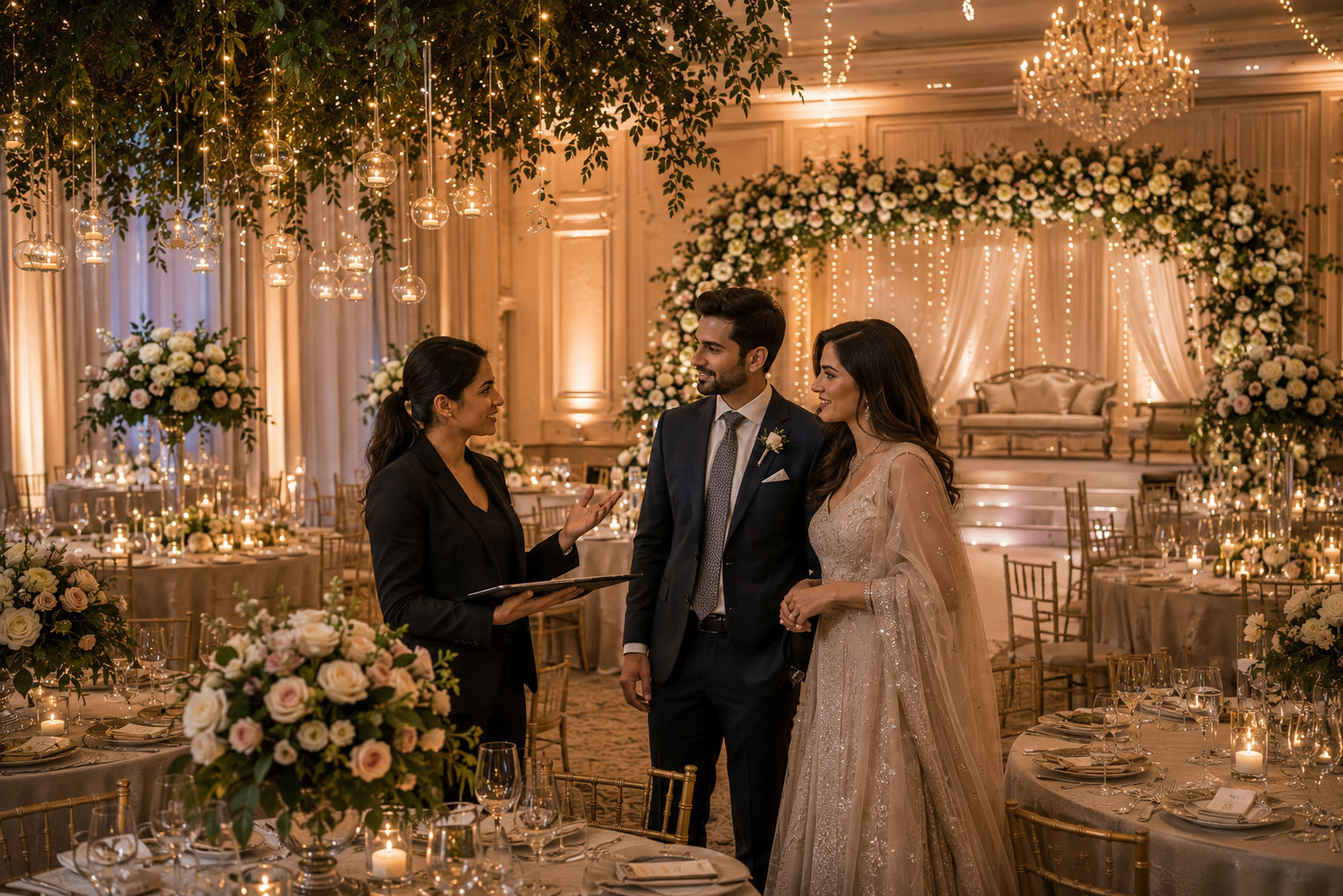
Venue policies about decoration differ widely.
Make sure to determine if you are allowed to use:
- Candles
- Hanging decorations
- Confetti
- Fireworks
- Flower petals
- Smoke machines
- Sparklers
Understanding these limitations early helps avoid last-minute surprises.
12. Consider Guest Comfort
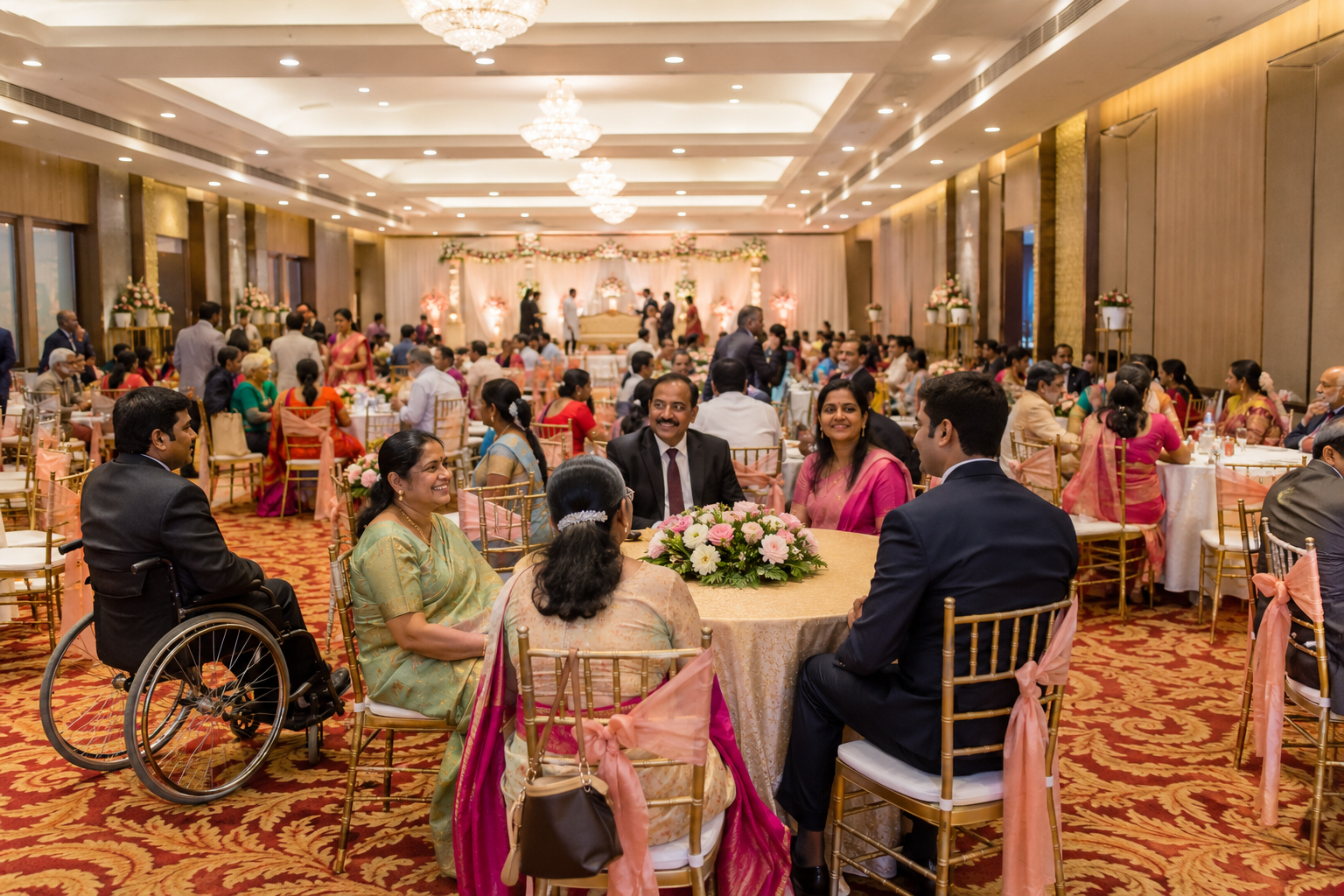
Guests are at the wedding to have a good time.
Some of the amenities that you want to be looking for are:
- Air conditioning and heating
- Comfy seating
- Spotlessly clean restrooms
- Wheelchair accessibility
- Facilities that children will like and can use
- Lots of parking
- Nearby hotels for out-of-towners
Guests who are comfortable and happy will help in delivering a wedding experience that is fun for everyone to remember.
13. Think About Photography Opportunities
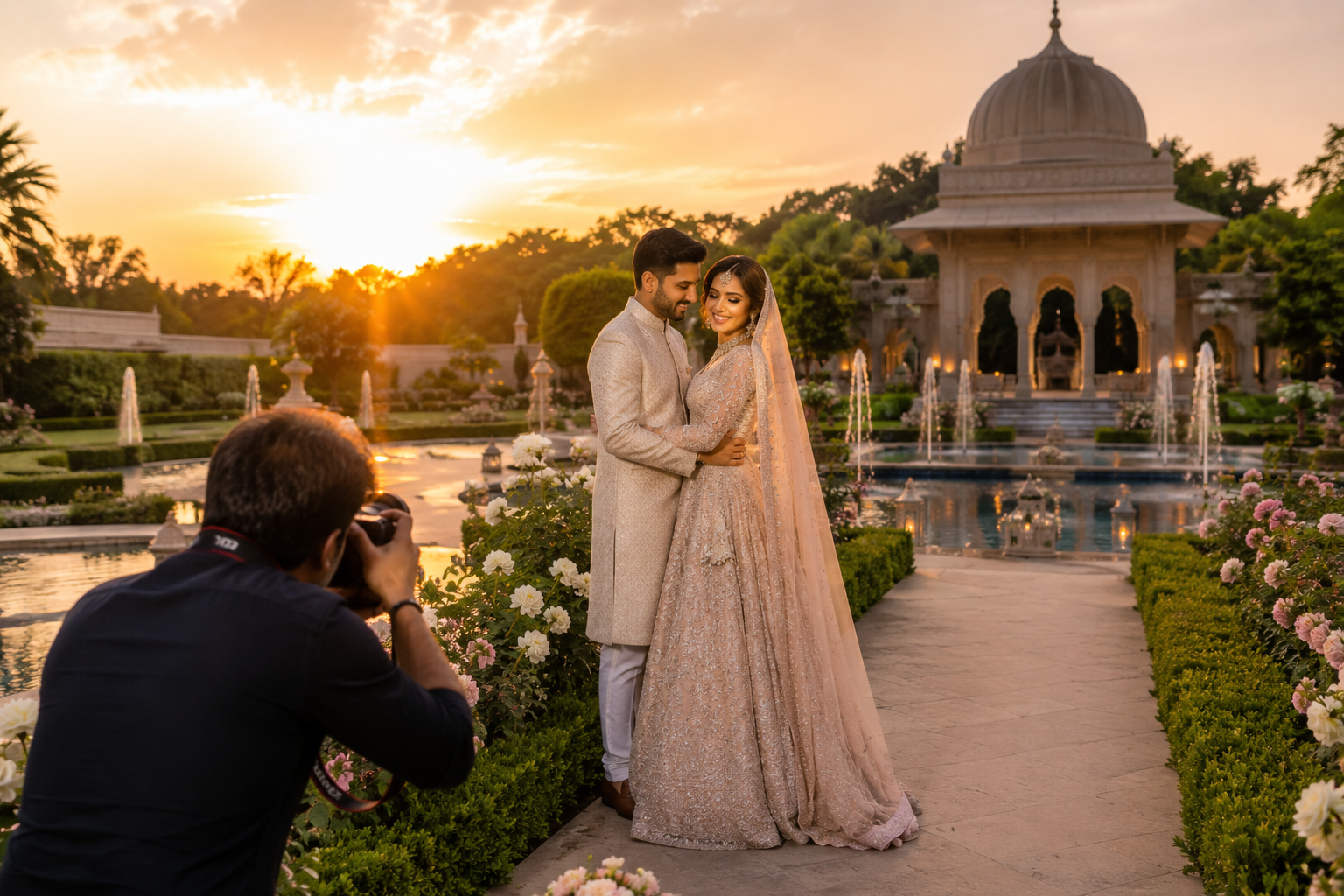
A wedding is a special event and the pictures taken of it will become ones that will be looked at over and over for years to come.
Choose a venue that will provide you with the following:
- Natural light at the time you will be taking the photos
- A garden or similar area
- A building or some other structure of architectural interest
- A place with great views or backdrops
- A water feature such as a fountain or lake
- A grand entrance
- A spot with the view of a sunset
Always ask the venue owner if any restrictions apply to photography.
14. Read Reviews and Testimonials
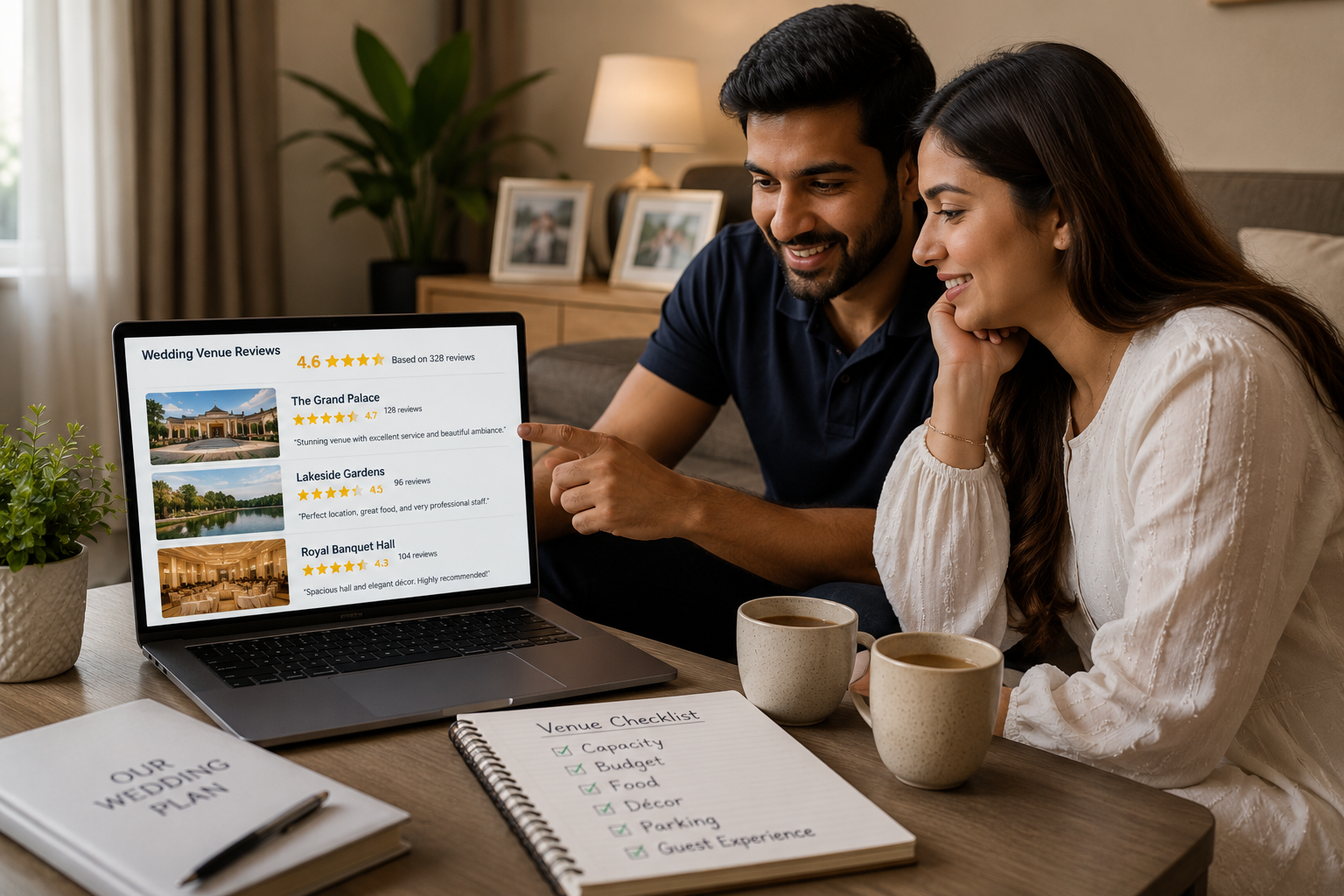
The experiences of crews thus far can always prove really useful.
The information you will be looking at will typically focus on:
- How well the staff responded to queries and issues
- Hygienic conditions maintained at the facility
- Quality of food served
- How the whole event was run
- Communication between parties
- Discloser of any hidden charges
- Whether satisfaction was complete or partial
A bunch of repeated very positive comments are usually a sign of dependable service.
15. Read the Contract Carefully
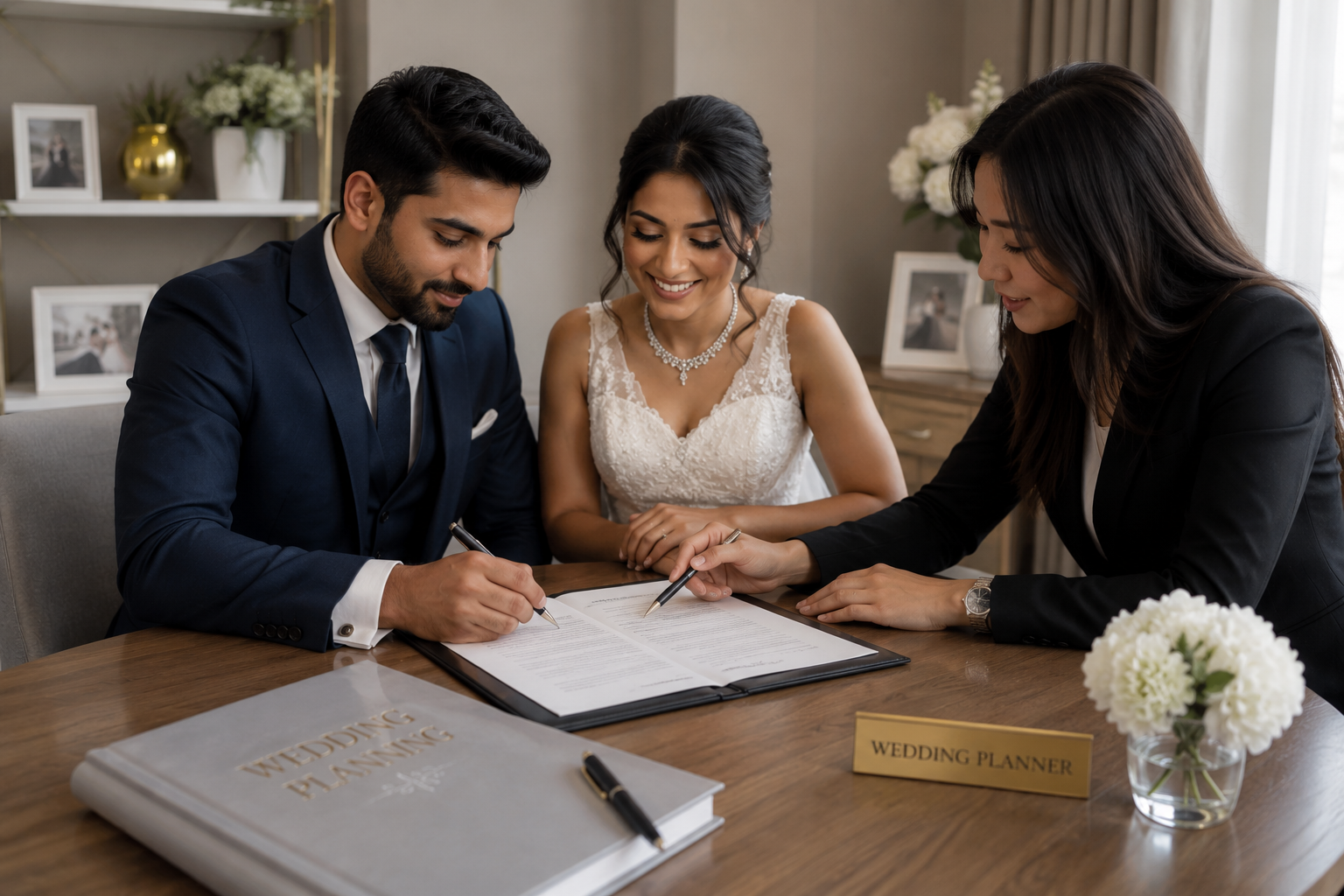
You must never put your signature on a venue contract unless you have carefully gone through its every line.
Pay special attention to:
- Initial down payment
- Final date payment should be made by
- What one has to do if they need to cancel
- If one will be getting money back after cancellation and under what circumstances
- How much it will be if one wants to extend the timing of the event
- Providing insurance
- Deposits for damages
- Restrictions on number of guests
Get clarification on all uncertainties before signing the agreement.
Questions to Talk About Before Booking a Wedding Venue

Here is a list of questions that you may still need to clarify with the venue before going ahead with the booking:
- Is the date I want open?
- What is the complete rental fee?
- What services come with it?
- Are there any service charges that are not immediately visible?
- Is parking readily accessible?
- Are we allowed to bring in our vendors?
- What is the course of action in the event of rain?
- How much time do we have access to the venue?
- Is there a bridal suite?
- Are there restrictions on decorations?
- Is a security presence provided?
- Can I see your cancellation policy?
These will greatly help you compare the different venues.
Errors That Could Cost You
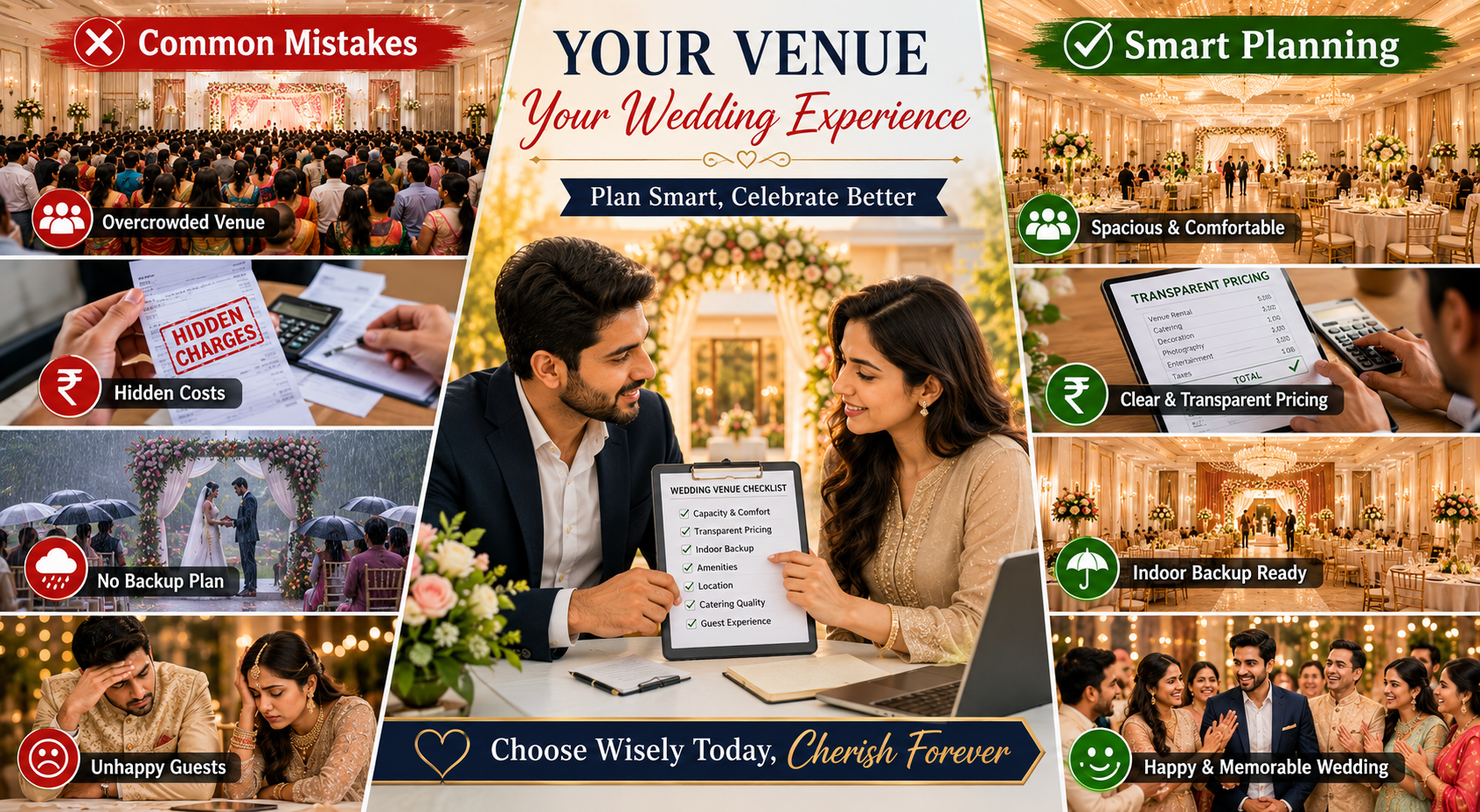
Making the mistake of picking the wrong wedding venue without really delving very deep into the situation can be very costly and could lead to the worst outcomes.
Take heed of these common mistakes:
- Securing a date before knowing exactly how many are coming
- Skipping potential hidden costs
- Forgoing a face to face meeting with the venue
- Not having a plan B for how to handle weather changes
- Not paying attention to the fine print of the contract
- Choosing style at the expense of functionality
- Booking too late
Choosing the perfect wedding venue is about more than finding a beautiful location—it’s about selecting a space that reflects your personality, accommodates your guests comfortably, and fits your budget. Take the time to research, compare options, ask detailed questions, and visit venues before making your final decision.
FAQ’S
1.Why is choosing the right wedding venue important?
The setting of the wedding reflects the mood and style of the overall day of the wedding, it also spaces out the decoration options, and can affect the cost of your wedding.
2.What should I consider when establishing my wedding budget?
Consider location, season, and features that impact the size of the venue and verify that the cost is inclusive of all the services.
3.How do I determine the appropriate venue size?
It is important that the venue space is a good fit for the size of your group so your guests can be comfortable and still not be crowded so the placed can be used both while seated and standing. Management should be done at both levels.
4.What location factors should I consider for the venue?
The concern of the time at which you will arrive the most is territory related. How would you like a venue that is within easy reach of staying residents, is nearby accommodations, and has adequate parking for guests who are local and not local travellers?
5.How can I avoid potential errors when choosing a venue?
Prevent being unprofessional or misunderstanding the payment terms. So always ask for the cost price, including energy, water, and cleaning bills. And always have a substitute plan for bad weather!
Related Post :
Traditional Captions For Instagram