
Shoes are sorted by what you do in them as much as by how they look. A sneaker, a loafer and a boot can all be brown leather and still suit completely different days. This guide walks through the main types of shoes, what makes each one different, and where each fits in a normal wardrobe.
If you only want the short version, this table matches each shoe to the situation it handles best.
| Type of shoe | Best for | Not ideal for |
|---|---|---|
| Sneakers | Everyday wear, casual outfits, travel | Formal events |
| Running shoes | Running and gym cardio | Dressing up |
| Boots | Cold, wet or rough ground | Hot weather |
| Loafers | Office and smart-casual outfits | Long hikes, rain |
| High heels | Weddings, parties, formal evenings | Long walks, standing all day |
| Sandals | Warm weather, beach, short outings | Cold weather, workplaces with safety rules |
1. Sneakers
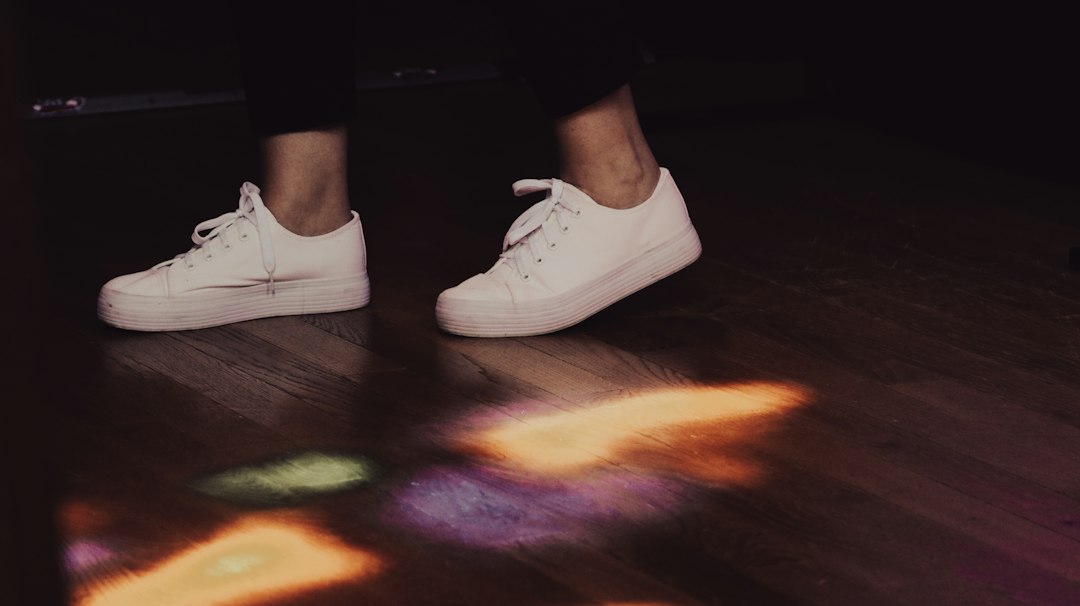
Sneakers are the default everyday shoe: a rubber sole, laces or a slip-on design, and enough comfort for walking around all day. Low-tops sit below the ankle and go with jeans, shorts and casual dresses. High-tops cover the ankle and give a casual outfit a bit more structure. Slip-ons skip the laces altogether, which helps at airports and on quick errands.
Clean white sneakers are the easiest pair to dress up or down, but they show dirt quickly, so wipe them down regularly. For outfit ideas, see our guide on how to style an oversized shirt or T-shirt, which works well with a plain pair of sneakers.
2. Running shoes
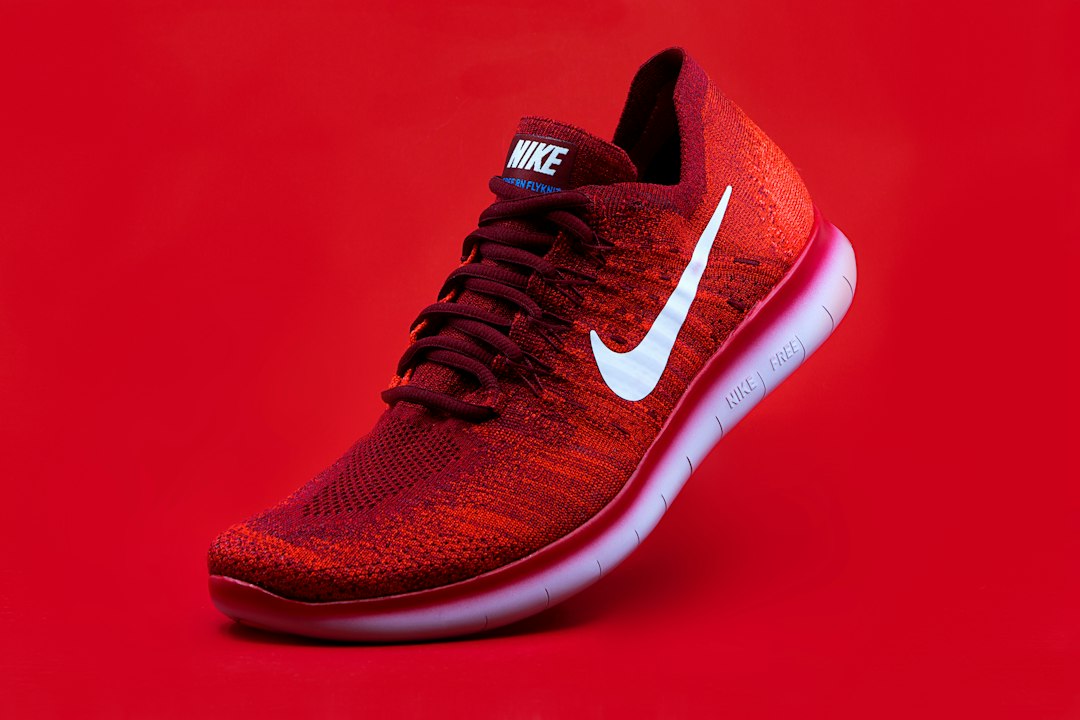
A running shoe is not the same as a casual sneaker, even when they look alike. Running shoes are built around cushioning and support for repeated impact. Road shoes suit pavements and treadmills. Trail shoes have deeper treads, called lugs, for grip on mud and loose ground. Racing shoes are lighter and thinner, which makes them quick but less forgiving for everyday training.
Foam in the sole compresses with use, so worn-out running shoes protect your feet less. Many brands suggest replacing them after a few hundred miles; check the guidance for your pair. If your gym sessions involve lifting or side-to-side movement, a flatter training shoe usually works better than a running shoe.
3. Boots
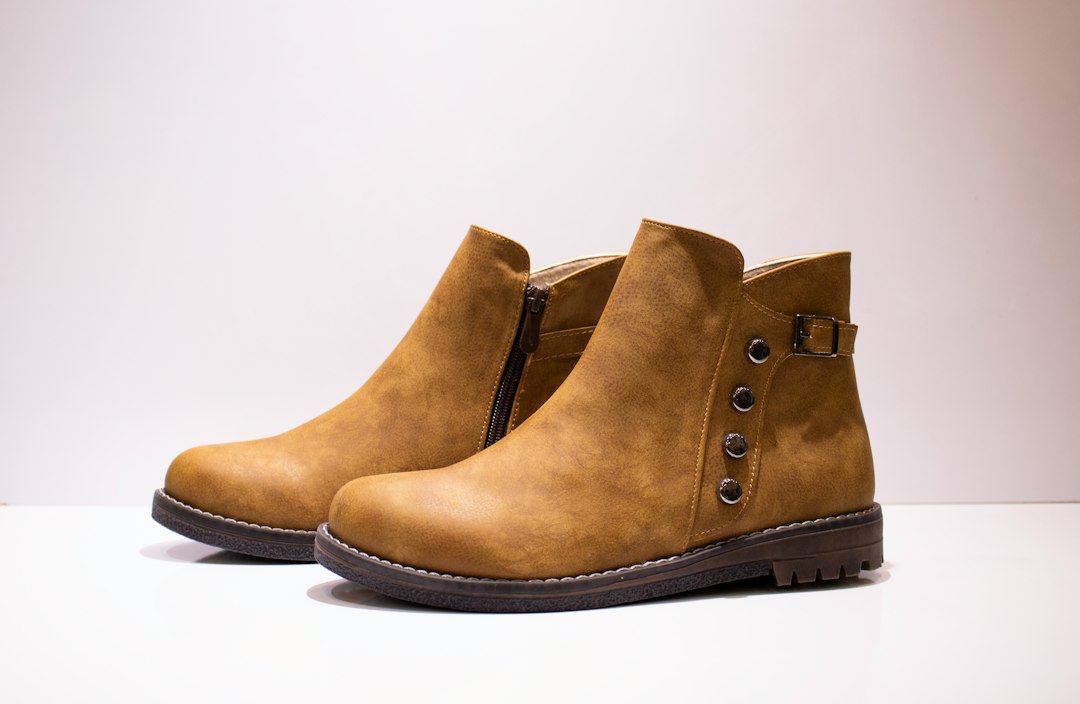
Boots cover the ankle or reach higher, which makes them the practical pick for cold, wet or rough ground. The styles you will see most often:
- Chelsea boots: slip-on with an elastic panel at the side. They work with jeans and with suit trousers.
- Chukka boots: short, ankle-high and laced with just a couple of eyelet pairs. A good middle ground between casual and smart.
- Combat boots: chunky, laced high and hard-wearing.
- Hiking boots: extra ankle support and grippy soles for trails.
Leather boots last longer if you condition them now and then and keep them away from direct heat.
4. Loafers
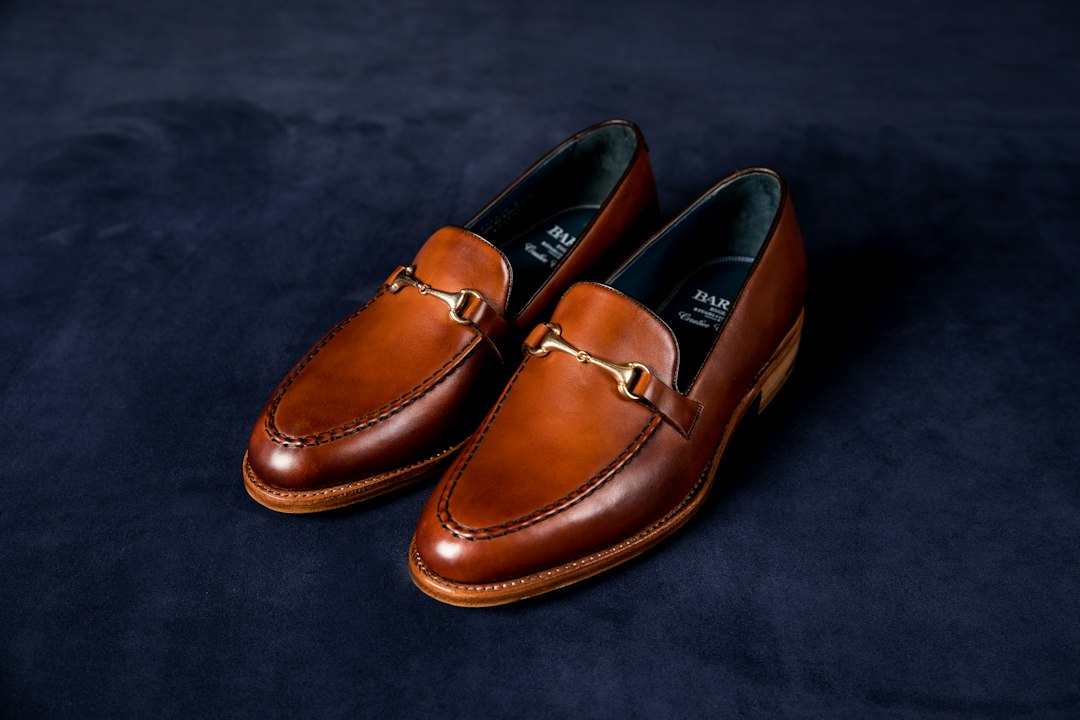
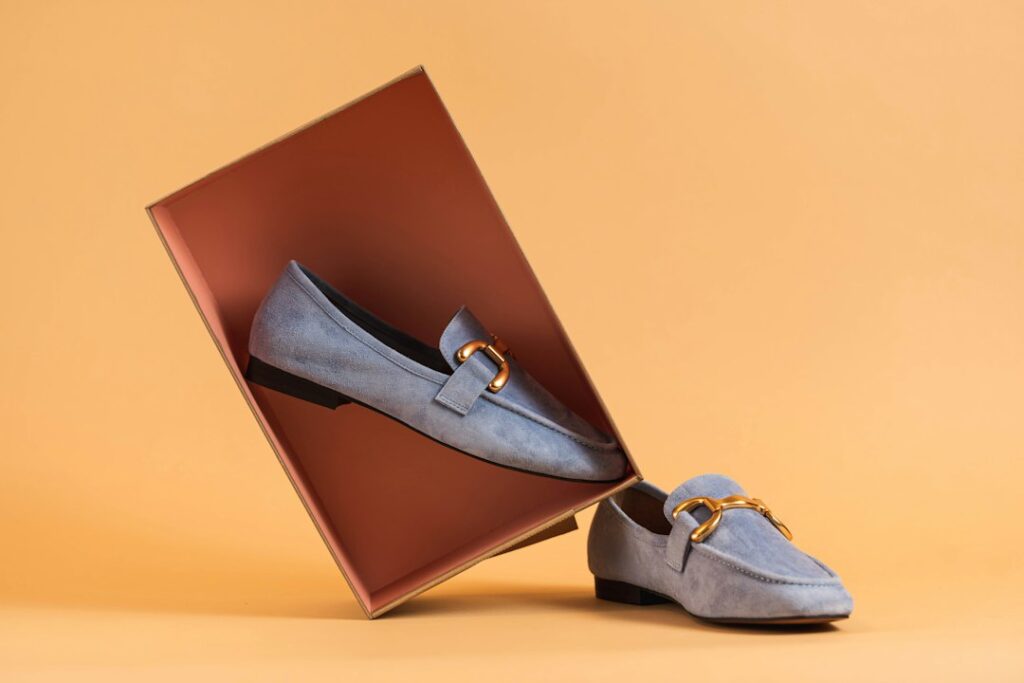
Loafers are slip-on shoes with no laces or buckles, and they are one of the easiest smart-casual options. Penny loafers have a leather strap across the top, tassel loafers add small tassels, and horsebit loafers carry a metal bar across the front.
They look best with chinos or tailored trousers, and many people wear them to the office instead of lace-up dress shoes. If you are choosing trousers to match, our guide to types of pants for men covers fits and fabrics.
5. High heels
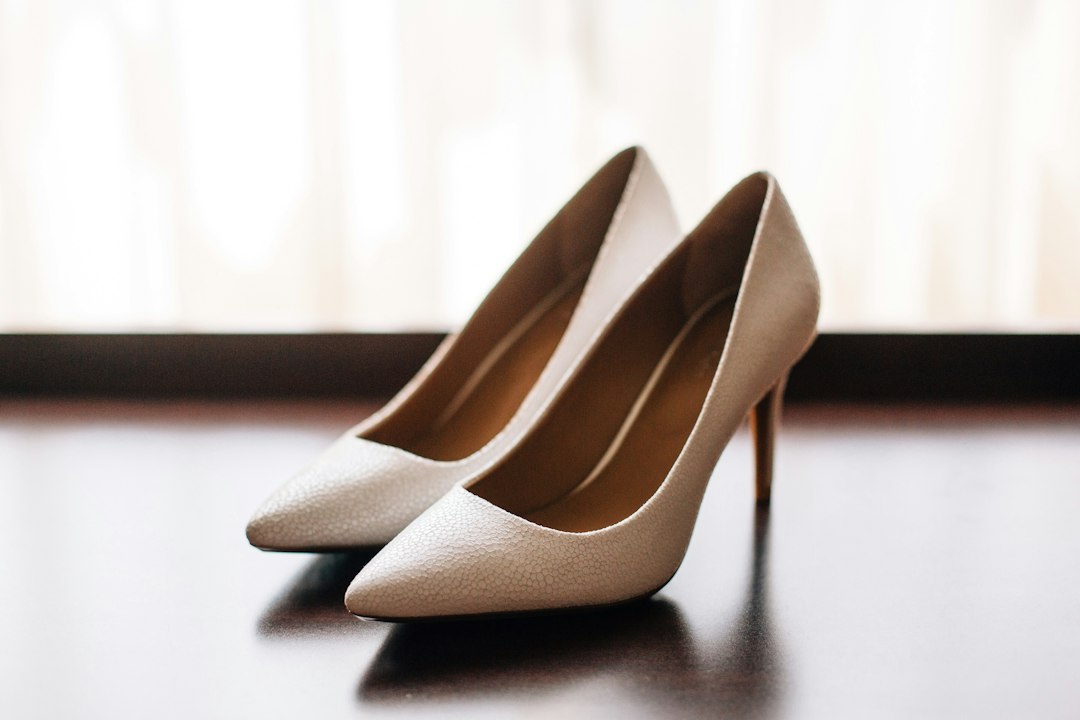
Heels lift the back of the foot and change how a shoe sits with an outfit. Stilettos have a thin, tall heel and suit formal evenings. Block heels are wider and steadier for long events. Kitten heels are low, usually under two inches, and sit between flats and full heels. Wedges and platforms spread your weight across the whole sole instead of a single point, so many people find them easier to walk in.
Fit matters more than height. If your heel slips or your toes are squeezed, a lower heel in the right size will feel better all day. Heels also pair well with festive and traditional looks, such as the sarees from across India in our state-by-state guide.
6. Sandals
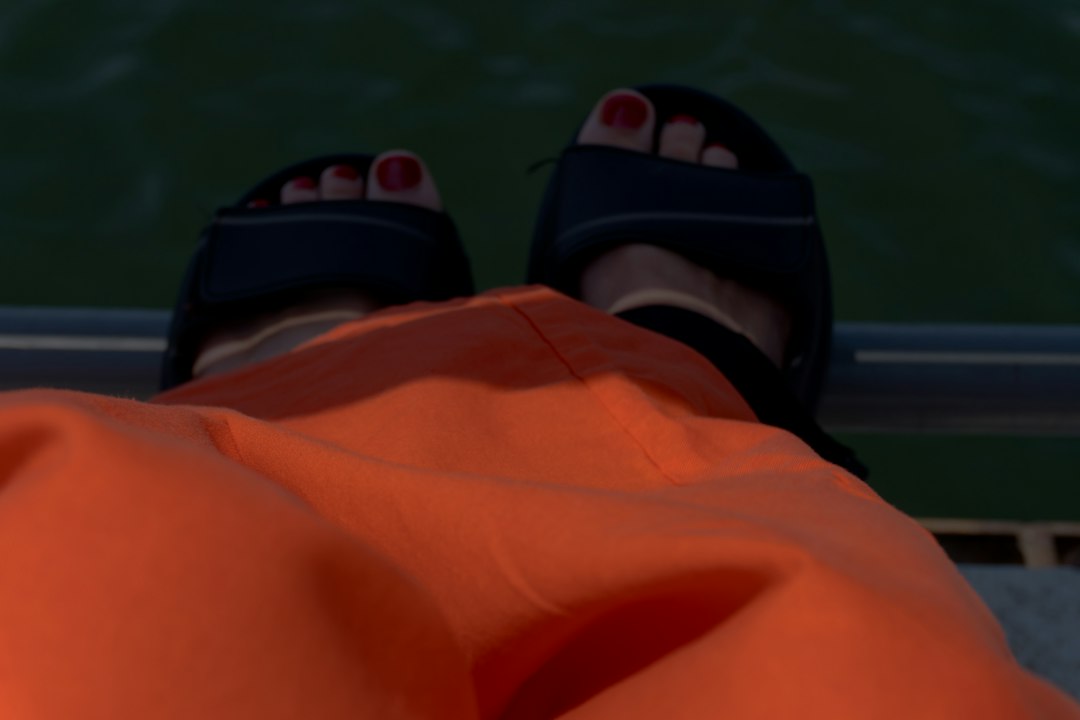
Sandals leave the foot partly open, so they belong in warm weather. Flip-flops are the simplest: a flat sole and a strap between the toes, best for the beach and around the house. Slides are open at the toe and easy to slip on, and often more comfortable for short outings. Gladiator and strappy sandals add straps up the foot or ankle and look more dressed up. Sports sandals have adjustable straps and thicker soles for walking and light trails.
For long walks, look for a footbed with some arch support rather than a flat slab.
14 more types of shoes worth knowing
The six groups above cover most of what people wear. These fourteen styles fill in the rest of the shoe shelf, from formal lace-ups to indoor slippers.
7. Oxfords
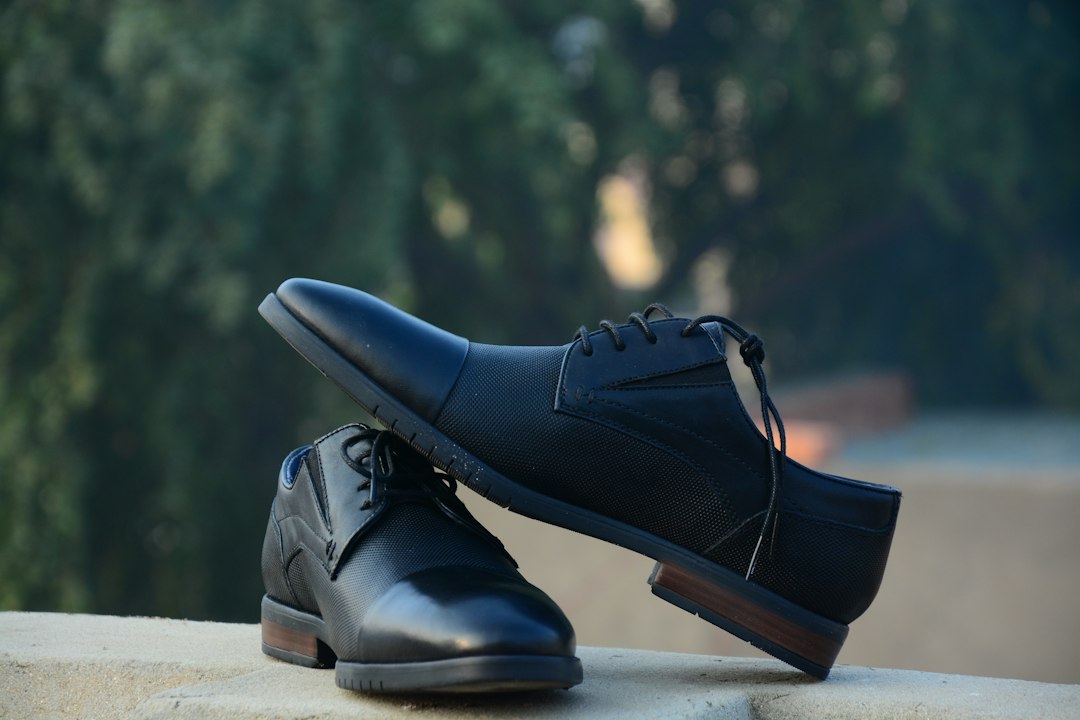
Oxfords have closed lacing, where the eyelet panels are stitched underneath the front of the shoe. The result is a slim, clean line that has made them the classic formal shoe for suits, interviews and weddings. Black suits most formal situations, and dark brown works for slightly less formal ones.
8. Derbies
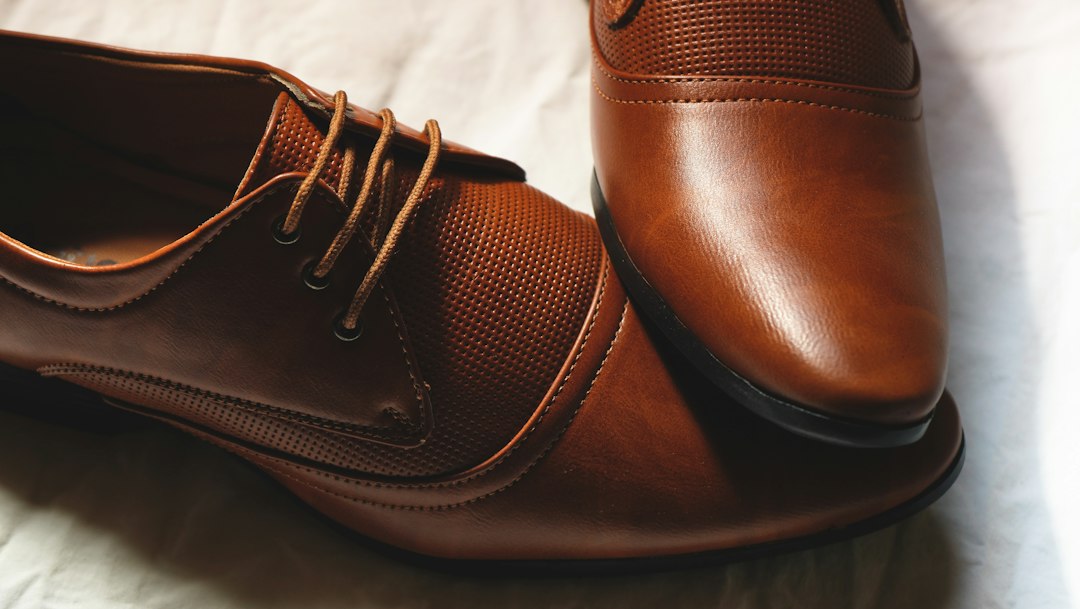
Derbies have open lacing, meaning the eyelet panels sit on top of the front section. That leaves a little more room across the foot and makes them easier to adjust, so they suit wider feet. They look a notch more relaxed than Oxfords and go with chinos as easily as with a suit.
9. Brogues
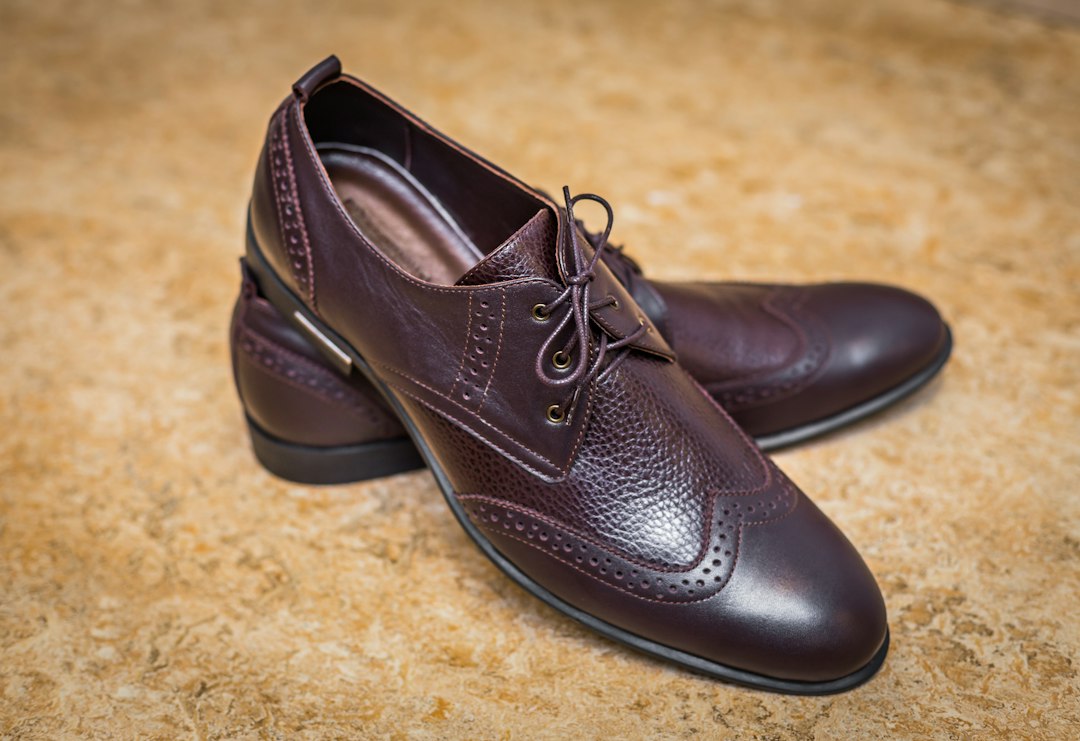
Brogues are defined by decorative perforations along the seams, a detail traditionally linked to letting water drain out of the shoe. You will find it on Oxfords, Derbies and boots. As a general rule, more perforations make a more casual shoe, while a plain cap-toe looks more formal.
10. Monk straps
Monk straps close with a buckle instead of laces. A single strap looks sleek and works with business wear, while a double strap is bolder. They are a good choice when you want something smart that is a little different from the usual lace-up.
11. Boat shoes
Boat shoes are leather or canvas shoes with a flat, non-marking rubber sole made to grip wet decks. Away from the water they work as a relaxed summer shoe with shorts or light trousers. They are usually worn without socks, so look for a lining that handles sweat well.
12. Moccasins
Moccasins are soft, flexible shoes where the sole wraps up and over the foot, stitched together at the top. They feel comfortable from the first wear. Driving moccasins add small rubber grips on the sole, which give a better feel for the pedals.
13. Ballet flats
Ballet flats are thin-soled, rounded slip-ons that sit low on the foot. They are popular for work, travel and long days when heels are impractical. The thin sole gives little cushioning, so choose a pair with a padded insole if you walk a lot.
14. Espadrilles
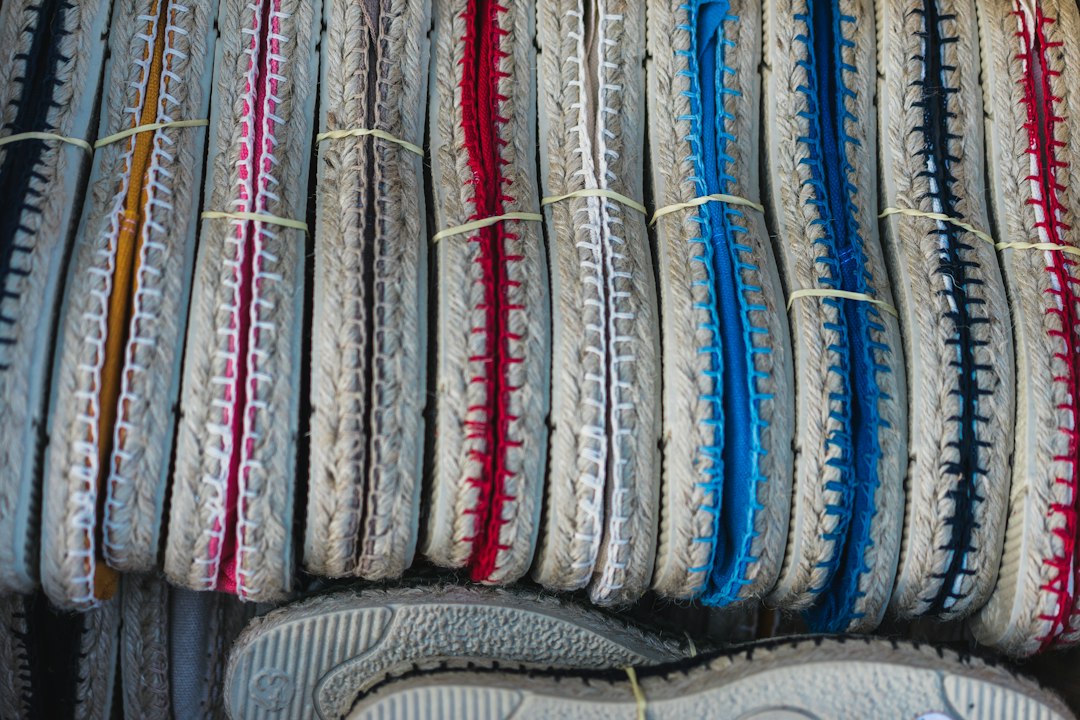
Espadrilles are canvas or cotton shoes with a sole wrapped in jute rope. They are light and breathable, which makes them a summer favourite. Rope soles do not cope well with rain or puddles, so keep them for dry days.
15. Wedges
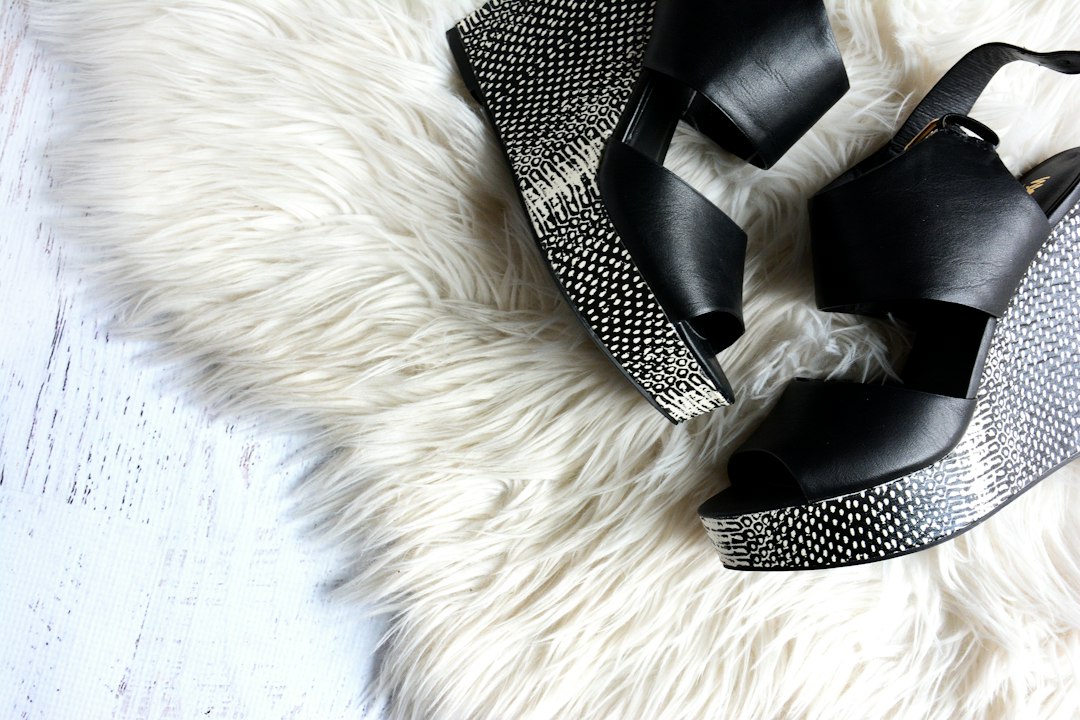
A wedge heel runs in one solid piece from the back of the shoe to the front, instead of ending in a narrow heel. That spreads your weight over a wider area, so wedges feel steadier than stilettos while still adding height. They suit sundresses and casual outfits well.
16. Platform shoes
Platforms raise the front of the shoe as well as the heel, which reduces the angle of the foot. That gives you height with less strain than a thin heel of the same total height. Chunky platform sneakers and boots are widely worn.
17. Pumps (court shoes)
Pumps, called court shoes in some countries, are closed, slip-on heels with a low-cut front that shows the top of the foot. A plain black or nude pair works with most work outfits and formal dresses.
18. Mules
Mules are backless shoes that slip on, with an open or closed front. They are quick to wear and look relaxed with trousers and dresses. Because nothing holds the heel in place, they suit short walks more than long ones.
19. Clogs
Clogs are sturdy shoes with a thick sole, traditionally wooden, and often an open back. Modern versions use leather, cork or rubber. They are popular for jobs with long hours on your feet because they are easy to wipe clean.
20. Slippers
Slippers are soft, light indoor shoes made for the house, not the street. Closed-back styles keep feet warm in winter, and open-back ones are easier to slip on. Look for a non-slip sole, especially if you have tiled floors.
How to choose between the types of shoes
Start with where you will actually wear them. A shoe that looks good but hurts after an hour will stay in the cupboard.
Try shoes on in the evening, when feet can be slightly larger, and leave about a thumb’s width of space in front of your longest toe. Walk around the shop before you buy.
If you are building a small collection, one pair of sneakers, one smarter pair such as loafers or flats, and one pair suited to the season, boots or sandals, covers most days.
How to make your shoes last
Rotating pairs helps more than most people expect. Giving a pair a day to dry out between wears can help it hold its shape and keep odour down. Clean sneakers with a soft brush and mild soap rather than a washing machine, which can weaken the glue and foam. Keep leather shoes conditioned and stuff them with plain paper or cedar shoe trees so they keep their form.
When the sole of a good leather shoe wears through, ask a cobbler about resoling before you replace the pair. Store sandals and heels out of direct sun, since heat can dry out straps and glue. Small habits like these cost very little and keep a good pair looking fresh for years.
FAQs
What are the main types of shoes?
The main groups are sneakers, running and sports shoes, boots, loafers and other dress shoes, heels, flats and sandals. Most other styles are variations of these.
What is the difference between Oxford and Derby shoes?
Oxfords have closed lacing, where the eyelet flaps are stitched underneath the front of the shoe, giving a sleeker look. Derbies have open lacing, which leaves more room and is easier to adjust.
Can I walk in running shoes every day?
Yes. Their cushioning also suits walking, although the soles wear down faster if you use them for daily errands as well as exercise.
Which shoes are best for formal events?
Oxfords, Derbies and polished loafers for men, and heels or neat flats for women, are the usual choices. Check the dress code first.
About the author
Dev Panchal is a fashion and lifestyle enthusiast with an interest in clothing trends, personal style, and everyday fashion inspiration. Through Fashiqa, he shares practical styling tips, outfit ideas, fashion guides, and lifestyle articles to help readers discover new trends and make confident style choices.
Last updated: October 2026 | More from Dev | About Fashiqa
Photos from Unsplash by Mattia Occhi, Jametlene Reskp, Ryan Waring, mostafa mahmoudi, Noah Smith, Emily Pottiger and Zulfugar Karimov.