
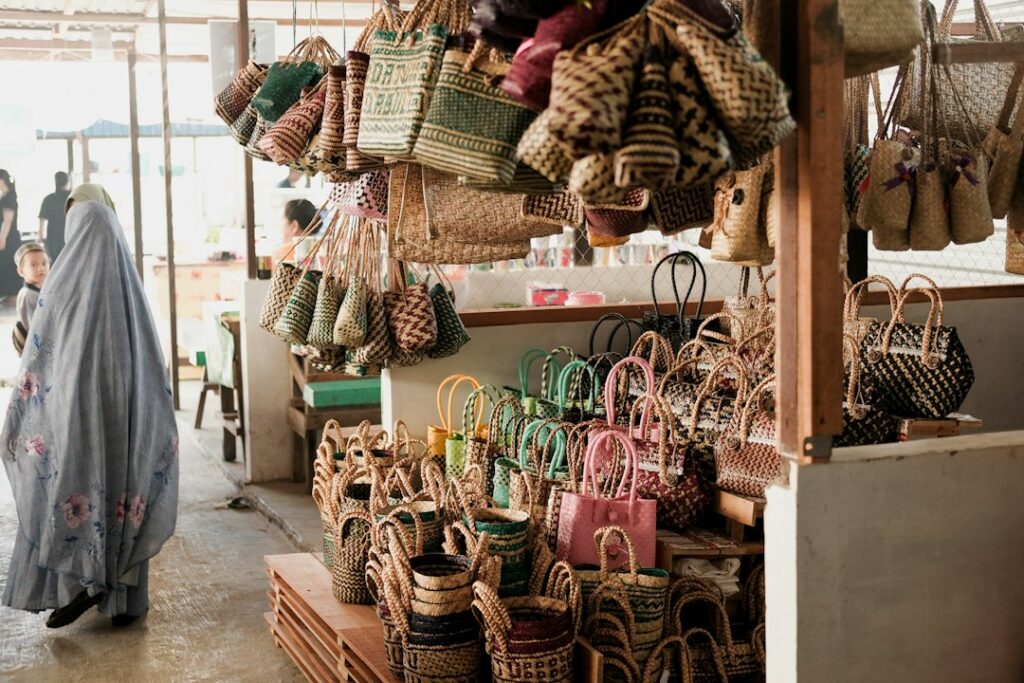
Picking a bag usually starts with one question: what do you need to carry, and for how long? A laptop and lunch for a daily commute call for something very different from a phone, keys and lipstick at a wedding. This guide covers the main types of bags, how each one is built, and the situations it suits best.
The table below gives the quick comparison. The sections after it explain each style in more detail.
| Type of bag | Carries | Best for | Watch out for |
|---|---|---|---|
| Backpack | Books, laptop, bottle | Commuting, college, travel | Thin straps on heavy loads |
| Tote | Groceries, files, extras | Work, shopping | Open top, one-shoulder strain |
| Satchel | Daily essentials, small laptop | Office, smart-casual outfits | Weight of leather |
| Crossbody bag | Phone, wallet, keys | Travel, markets, hands-free days | Limited space |
| Clutch | Phone, card, lipstick | Weddings, parties, dinners | No room for anything else |
| Duffel bag | Clothes, gym kit | Gym, weekend trips | Poor organisation inside |
1. Backpacks
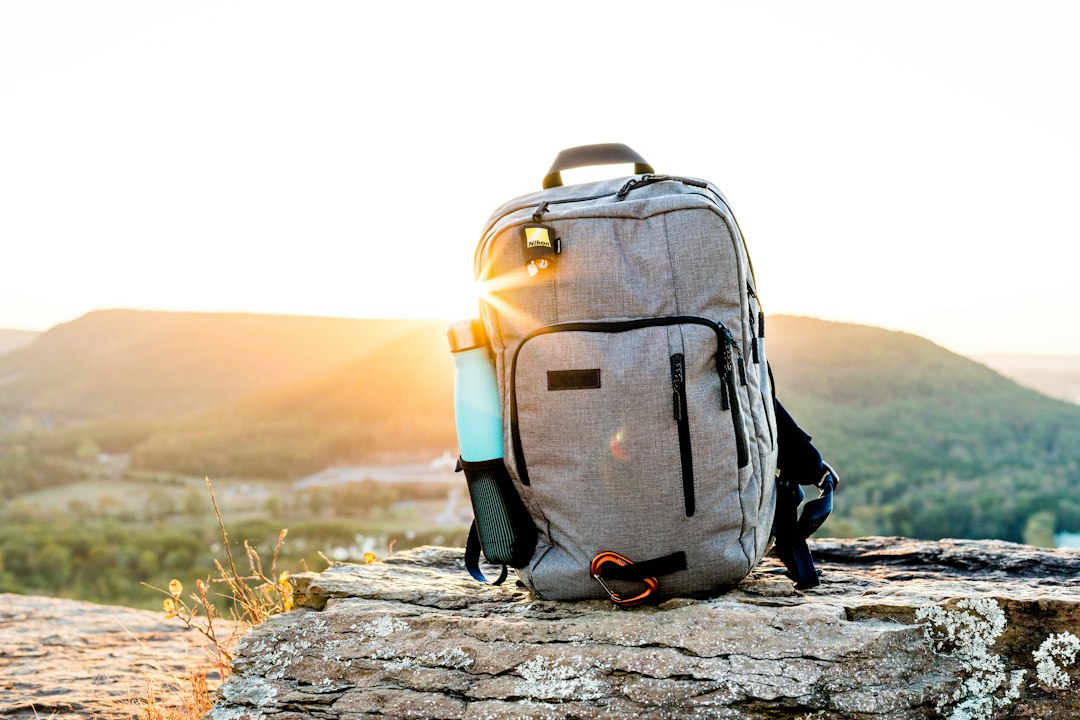
Backpacks spread weight across both shoulders, which is why they handle heavy loads better than any other bag. Daypacks and school backpacks hold books, a laptop and a water bottle. Hiking backpacks add a hip belt and an internal frame so the weight sits on your hips instead of your shoulders. Mini backpacks have become a fashion item and fit little more than a phone and a wallet.
Look for padded straps and a padded back panel, because thin straps dig in once the bag gets heavy. Wear both straps rather than slinging the bag over one shoulder, and keep the heaviest items close to your back.
2. Tote bags
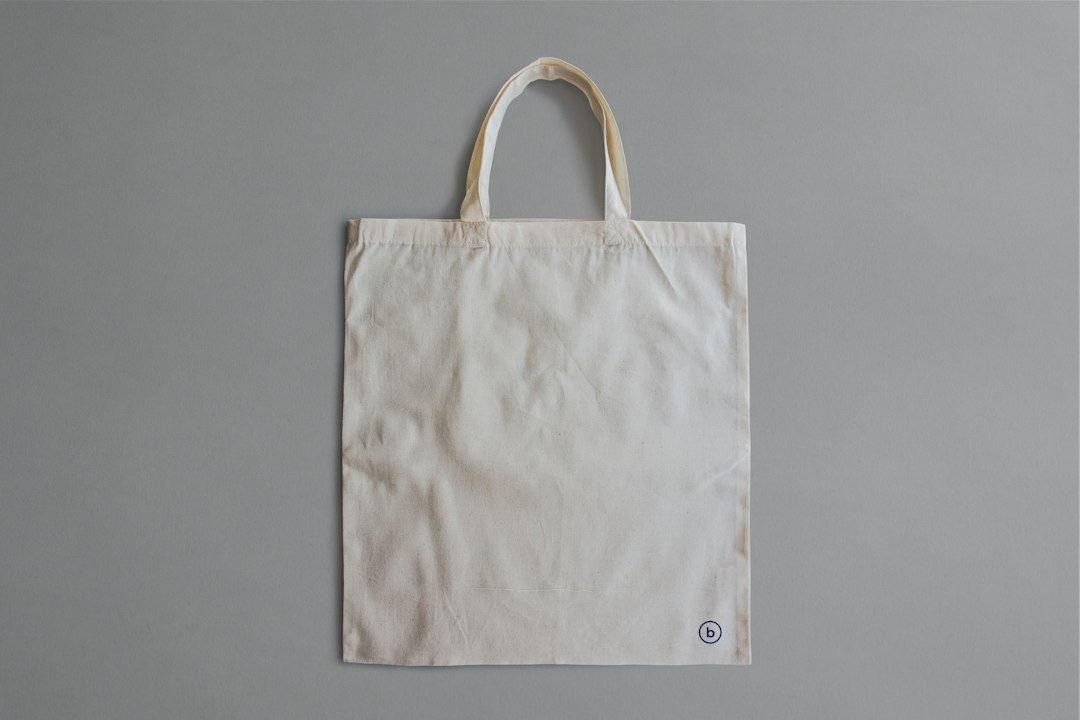
A tote is an open-top bag with two parallel handles and very little fuss. It swallows groceries, books and a change of shoes, which is why it works for work, college and shopping alike. The trade-off is that an open top gives no security, and things can spill when you bend over. A zip or magnetic closure fixes that.
Canvas totes are light and washable, while leather totes hold their shape and look smarter in an office. Because the weight hangs from one shoulder, avoid overloading it. A tote that carries everything usually ends up as a sore shoulder.
3. Satchels and crossbody bags
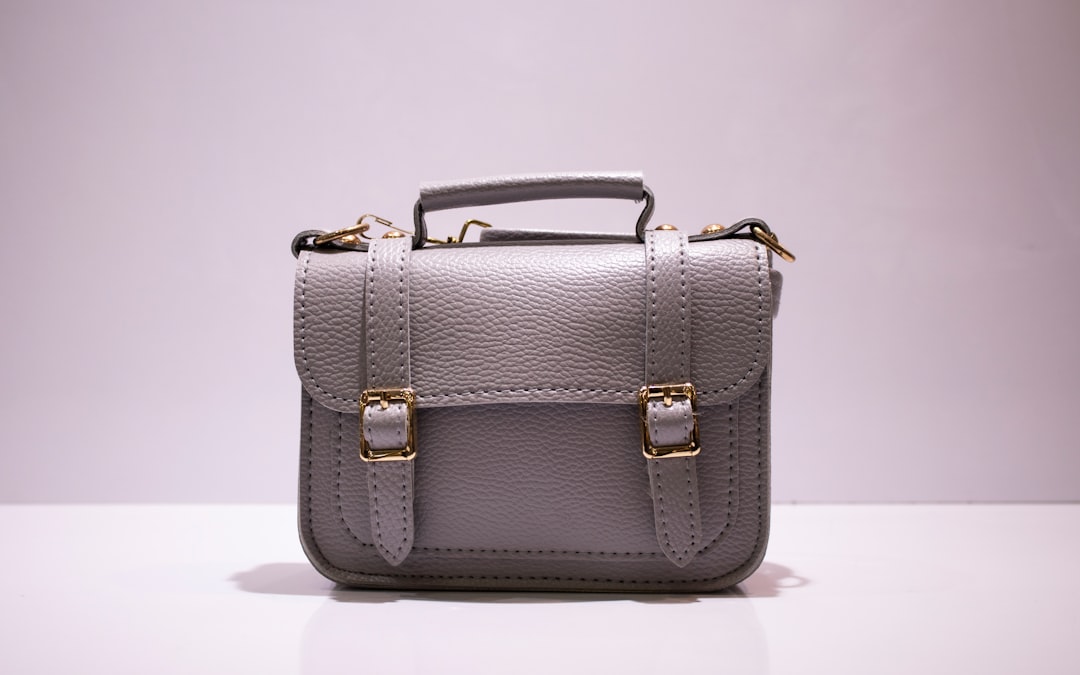
A satchel is a structured bag with a flap, buckles and a longer strap. A crossbody bag, also called a sling bag, rests against the opposite hip, which keeps your hands free and your belongings in front of you. That makes crossbody styles popular for travel and crowded markets. Messenger bags are a larger version, usually with a flap and an adjustable strap.
Adjust the strap so the bag sits around hip level. Any higher and it bounces as you walk, any lower and it drags. Leather satchels age well, but they weigh more than nylon or canvas versions.
4. Clutches
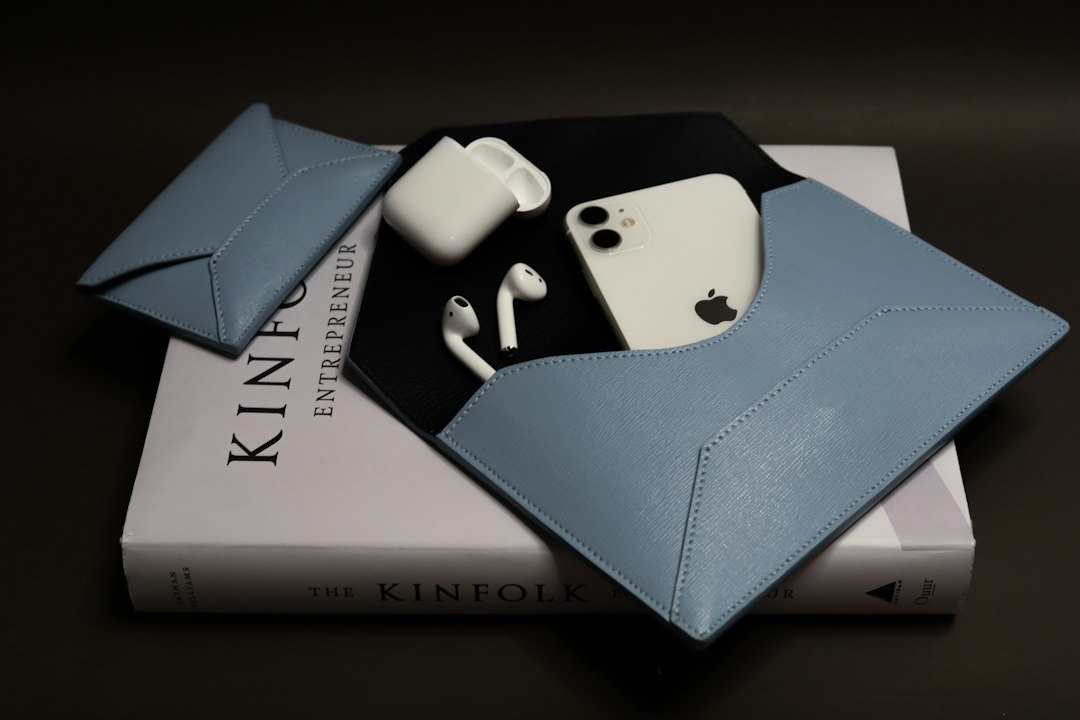
A clutch has no handle, or only a thin removable chain. It carries a phone, a card and lipstick, and not much else. That is the point: it suits weddings, parties and formal dinners, where a larger bag would look out of place. Envelope clutches fold flat, box clutches are rigid, and wristlets add a loop so you do not have to hold the bag all evening.
Check that your phone fits before you buy. Some clutches are cut too small for current phone sizes.
16 more types of bags worth knowing
The four groups above cover the bags most people buy first. These sixteen styles fill in the rest, from office briefcases to cloth jholas.
5. Messenger bags
Messenger bags are rectangular, flap-covered bags worn across the body on a long adjustable strap. They sit between a backpack and a briefcase in size and suit cyclists, students and commuters. Look for a padded strap if you carry a laptop.
6. Shoulder bags
Shoulder bags have a short strap that sits on one shoulder or tucks under the arm. They are the classic everyday handbag, with room for a wallet, phone, keys and a small water bottle. A zip top keeps things more secure than an open style.
7. Hobo bags
Hobo bags are slouchy, crescent-shaped bags with a soft body that sags slightly when set down. The relaxed shape suits casual outfits. Because they have no structure, they work best in soft leather or fabric, and they can look untidy when overstuffed.
8. Bucket bags
Bucket bags are rounded, roomy bags that close with a drawstring or a flap. The wide base holds a lot, but a deep bag can swallow small items. An inner pouch keeps keys and cards easy to find.
9. Duffel bags
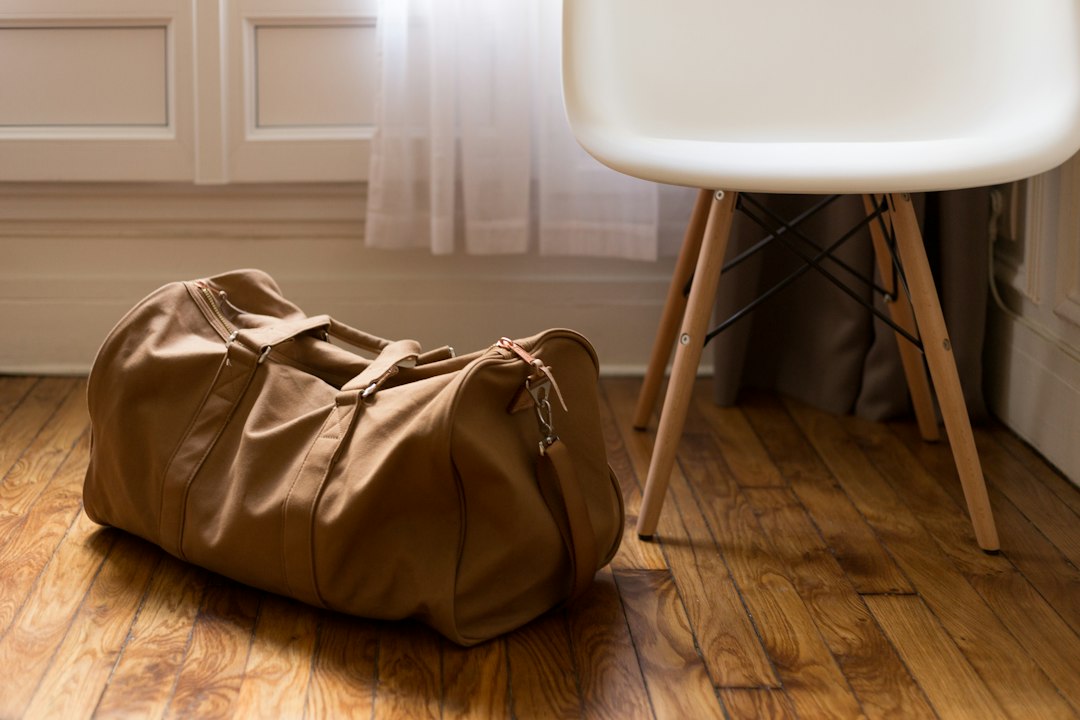
Duffel bags are soft, cylindrical bags with two handles and often a detachable shoulder strap. They suit the gym and short trips because they stretch to fit awkward items. Choose one with a side pocket for shoes so they stay away from clean clothes.
10. Laptop bags
Laptop bags have a padded sleeve cut to a laptop’s size, plus a few pockets for chargers and papers. Measure your device before you buy, because a loose sleeve lets the laptop knock about. Slim styles suit commuting, and backpack versions suit longer walks.
11. Briefcases
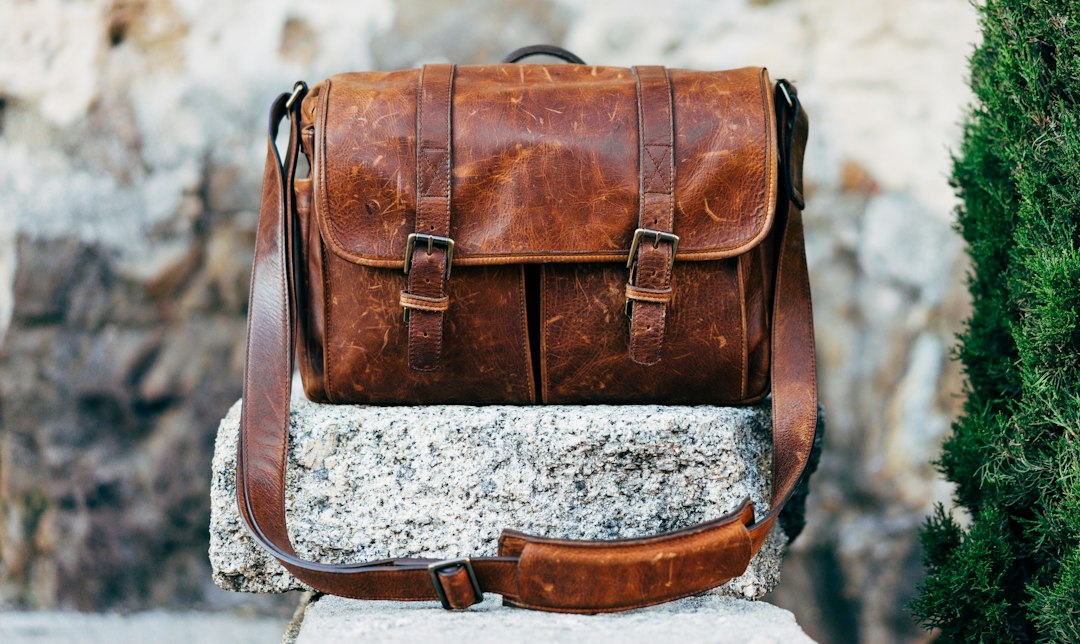
Briefcases are rigid, rectangular work bags with a top handle and a flat base, built to carry documents and a laptop without crumpling them. They look formal and keep paperwork flat. The trade-off is weight, since a hard frame adds more than a soft bag does.
12. Belt bags
Belt bags, also called waist packs or fanny packs, sit around the waist or across the chest. They keep your phone, cards and keys within reach and your hands free, which suits travel, festivals and long walks. Wear them snug so they do not bounce.
13. Potli bags
Potli bags are small drawstring pouches from India, usually made in silk, velvet or brocade with embroidery or beadwork. They are a common pairing with festive and wedding outfits, including the regional drapes in our guide to types of sarees. They hold a phone, lipstick and a few cards.
14. Wristlets
Wristlets are small pouches with a loop that goes around the wrist. They hold a phone and a card or two, so they work for short outings when you want to travel light. Some are slim enough to slip into a larger bag.
15. Baguette bags
Baguette bags are long, narrow bags carried under the arm, named after the shape of the bread. They are small and carry little, but the slim profile suits fitted outfits and evening wear.
16. Saddle bags
Saddle bags have a curved flap that covers the front, a shape borrowed from horse saddles, and a shoulder strap. They are mid-sized and structured, so they look polished without taking up much room.
17. Bowling bags
Bowling bags are wide, boxy bags with two handles and a zip across the top, named after the bags once used to carry bowling balls. They hold more than a small handbag while keeping a neat shape, which makes them a good office or weekend option.
18. Drawstring bags
Drawstring bags close by pulling a cord at the top, and the cord often doubles as the straps. They are light and cheap, so they work for the gym, school or beach, but they offer little padding for fragile items.
19. Jhola bags
A jhola is a cloth shoulder bag, commonly made of cotton or jute and often hand-block printed or embroidered. It is roomy and washable, and widely used for books, shopping and everyday errands across India.
20. Barrel bags
Barrel bags are short cylinders with a zip along the top and a rounded shape like a small drum. They carry a modest amount, hold their shape, and look sporty in canvas or sleek in leather.
How to choose the right bag
Start with what you carry on a normal day. Lay it all out on a table, including the charger and the water bottle, and pick a bag that holds it without bulging. A bag that is too big gets filled with things you do not need, and one that is too small leaves you carrying a second bag.
Then think about the outfit and the occasion. Structured leather suits formal clothes, canvas and nylon suit casual ones, and a small embellished clutch or potli suits an evening event. A neutral colour such as black, brown or tan goes with the most outfits, so it is a safe first purchase.
Finally, check the construction before you pay. Look at where the straps attach, since that spot takes the most stress. Test the zips, run a finger along the stitching to see whether it is even, and open the lining to make sure it is not thin or loosely sewn. Price does not guarantee quality, and a plain well-made bag will outlast a trendy one that is poorly stitched.
Material also matters. Genuine leather tends to last longest if it is cared for, faux leather is lighter on the budget but can crack with age, canvas is easy to wash, and nylon dries quickly and weighs little. Pick the one that fits how hard you will use the bag.
How to keep your bags in good shape
Empty your bag every week or two. Loose coins, pens and old receipts add weight and wear out the lining. Stuff structured bags with tissue or a soft cloth when you store them so they keep their shape, and keep leather away from damp corners and direct sun. Wipe leather with a barely damp cloth and condition it a couple of times a year. Canvas can usually be spot-cleaned with mild soap. Check the care label first, since some bags should not go in the washing machine.
Do not hang a heavy bag from a thin handle for long periods. It stretches the strap and distorts the top. Rotating between two or three bags also gives each one time to rest, and a pair of well-chosen shoes that match your regular bag finishes most everyday outfits.
FAQs
What are the main types of bags?
The most common are backpacks, totes, satchels, crossbody bags, shoulder bags, clutches and duffel bags. Most other styles are variations on these.
What is the difference between a satchel and a messenger bag?
A satchel is usually smaller and more structured, often with a top handle. A messenger bag is larger and softer, built to be worn across the body with an adjustable strap.
Which bag is best for daily office use?
A structured tote, satchel or slim laptop bag in a neutral colour works well. Make sure it has a padded sleeve if you carry a laptop and a closure that keeps your things secure.
How many bags do I really need?
Most people manage well with three: a roomy everyday bag, a small crossbody or clutch for evenings, and a travel or gym bag. Add more only when you find a real gap.
About the author
Dev Panchal is a fashion and lifestyle enthusiast with an interest in clothing trends, personal style, and everyday fashion inspiration. Through Fashiqa, he shares practical styling tips, outfit ideas, fashion guides, and lifestyle articles to help readers discover new trends and make confident style choices.
Last updated: October 2026 | More from Dev | About Fashiqa
Photos from Unsplash by Lighten Up, Josiah Weiss, Brando Makes Branding, mostafa mahmoudi and Genesis Warner.