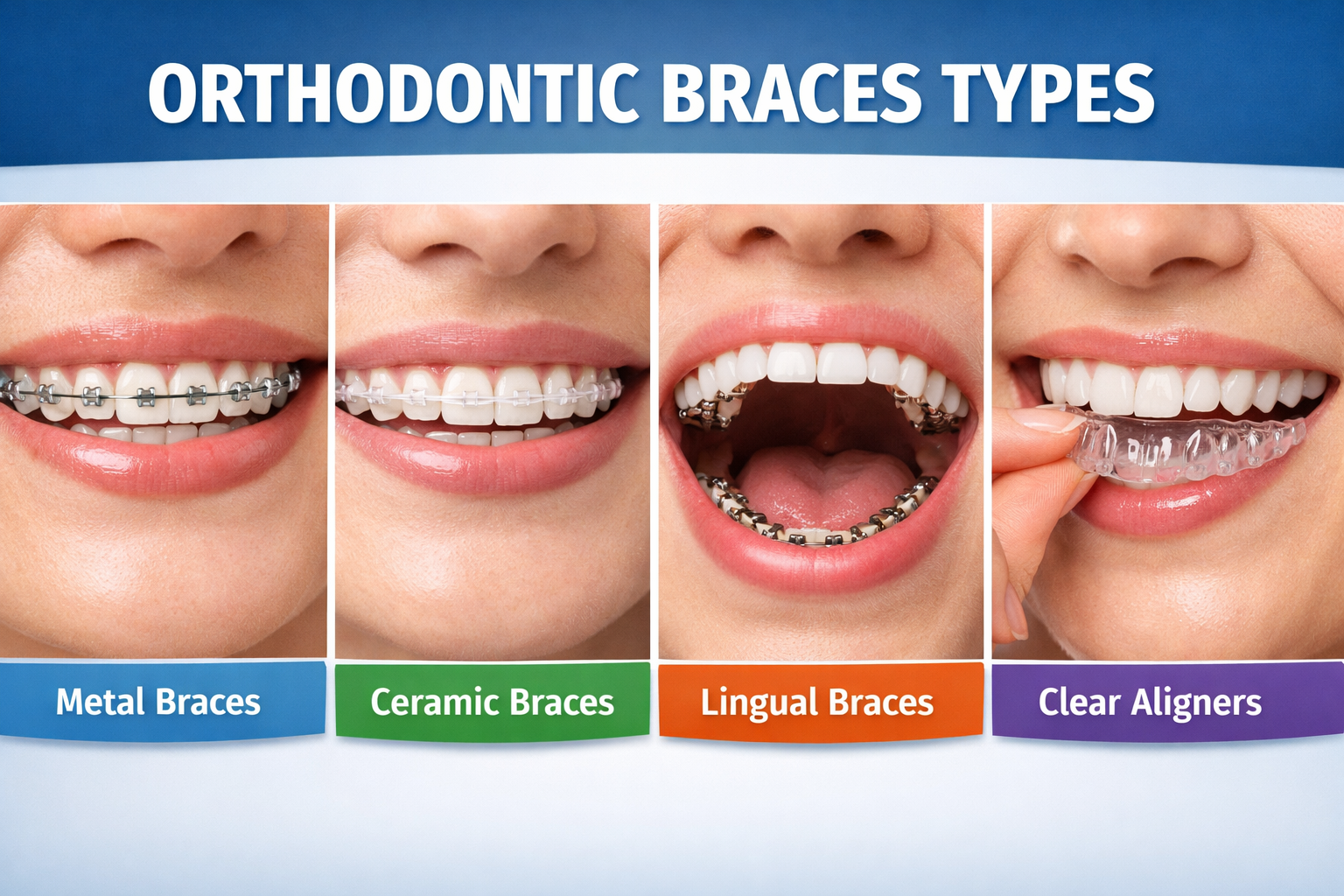
A healthy, confident smile really changes things. If your teeth are crooked, crowded, spaced too far apart, or your bite is off, orthodontic braces can fix these problems. Now, there are multiple types of braces and each is crafted to match different dental needs, budgets, and lifestyle choices.
This article is a guide through various orthodontics braces types, how they function, their pros, cons, and the way to pick the right one for your smile journey.
What Are Orthodontic Braces?
Orthodontic braces are devices placed on or around teeth to move them slowly over time into the right position. They are used to straighten teeth and fix bite problems such as:
- Overbite
- Underbite
- Crossbite
- Open bite
- Crowded teeth
- Gaps between teeth
Besides the aesthetic purpose, braces also play a role in improving oral health. Straight teeth are less difficult to clean and they also lessen jaw strain and enhance the function of mouth and speech.
Why Are Braces Important?
Braces may be seen by many people as a means to improve one’s appearance only, however the benefits of treatment with braces include:
- Realignment of teeth
- Better oral hygiene
- Prevention of tooth decay and gum diseases
- Enhancement of mouth and jaw functions
- Greater self-esteem and improved smile’s appearance
Orthodontic treatment may be done on very young patients, who have not even reached teenage stage, at adult age and of course teenagers.
Main Orthodontics Braces Types
These are the most common types of braces that you would most likely come across.
1. Metal Braces
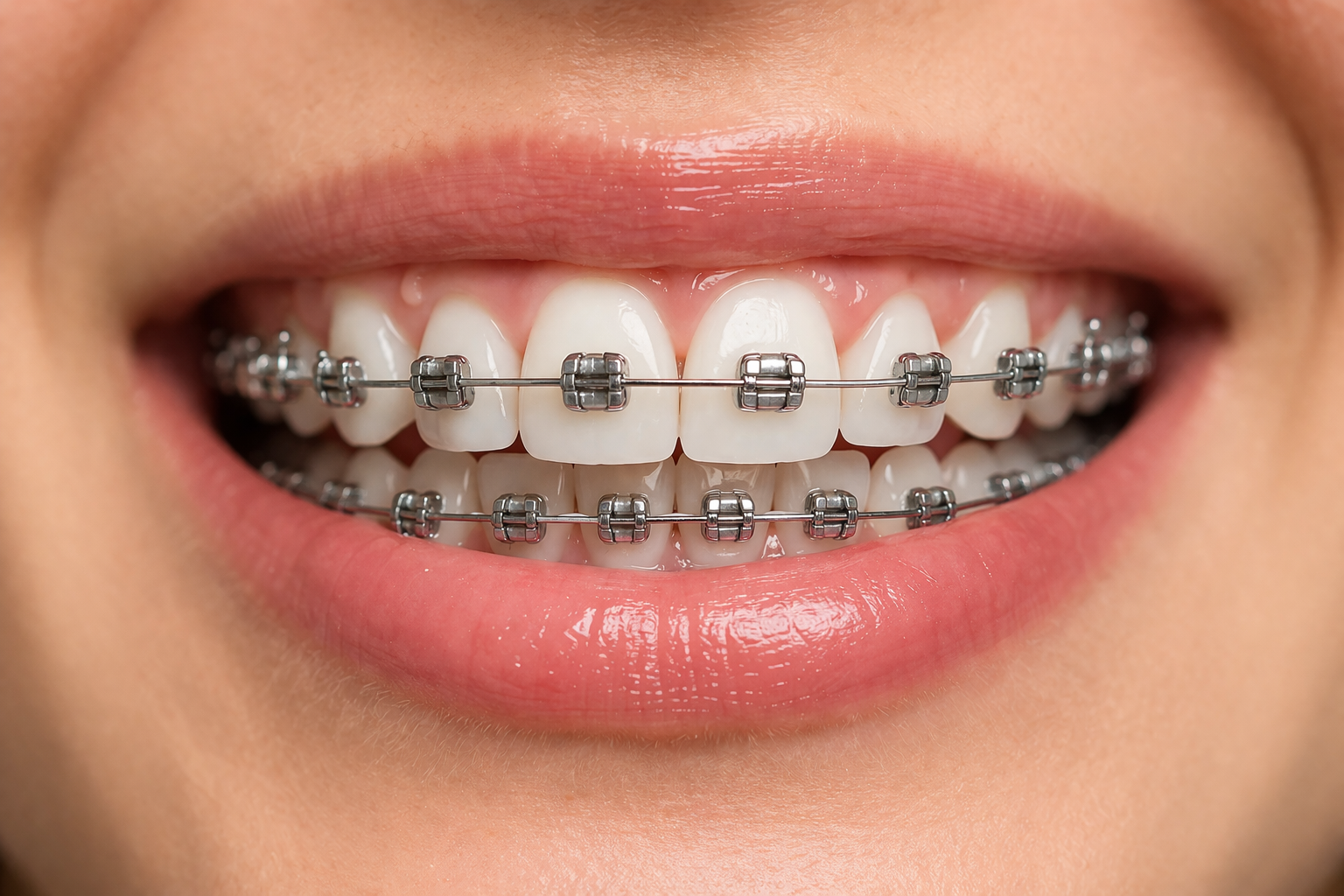
This type of braces is the original and the most widely used method. Wire and metal brackets are the main components.
How They Work
Adjustments of the wire by the orthodontist allow the teeth to be moved in the desired direction bit by bit.
Benefits of Metal Braces
- Metal braces have the greatest capability of fixing even the most complicated dental issues
- Usually cheaper than the rest
- Very robust and long-lasting
- Capable of treating both full-grown individuals and kids
- Elastics of different colors can be used to create fun looks
Drawbacks
- Visible and less attractive compared to other types
- Possibly painful for a day or two after tightening
- It is easier for food to get stuck
Best For
Those who prefer a cost-effective, proven, and time-tested treatment solution for moderate to severe cases of misaligned teeth.
2. Ceramic Braces
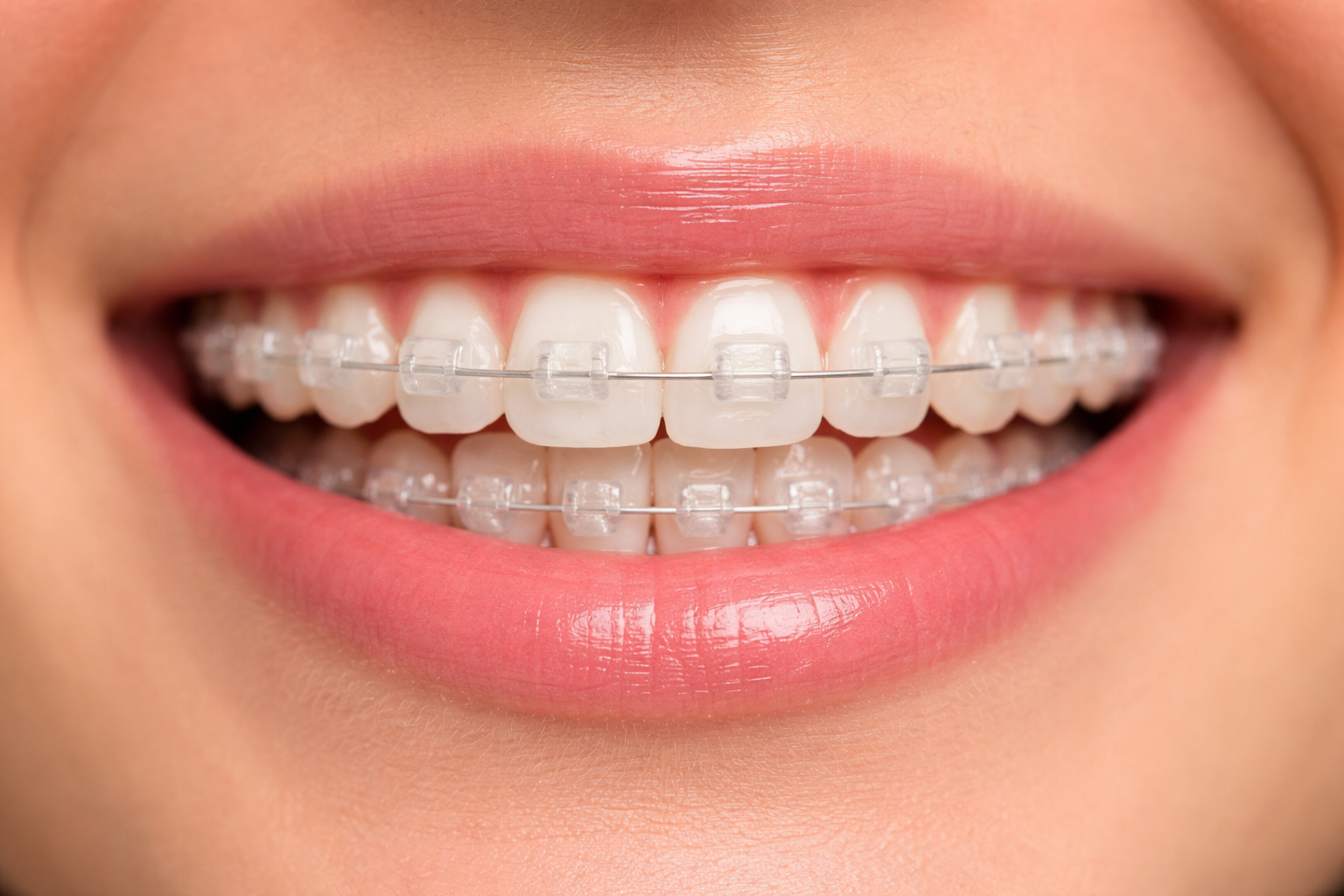
While metal braces are made of the typical silver-colored metal, ceramic braces look like your natural tooth color or are clear and thus, are less noticeable.
How They Work
The principle behind ceramic braces is the same as that of metal braces. Brackets and wires are used to shift teeth gradually to the correct position.
Benefits of Ceramic Braces
- Less conspicuous than metal braces
- One can get rid of several orthodontic problems effectively
- Better blend with natural teeth
- Popular choice of adults and teenagers
Drawbacks
- Usually incurring a higher cost than metal braces
- Without proper cleaning, brackets become stained
- More susceptible to breakage than metal braces
Best For
Those who would like a more subtle appearance of braces while retaining the ability to fix the teeth effectively.
3. Lingual Braces
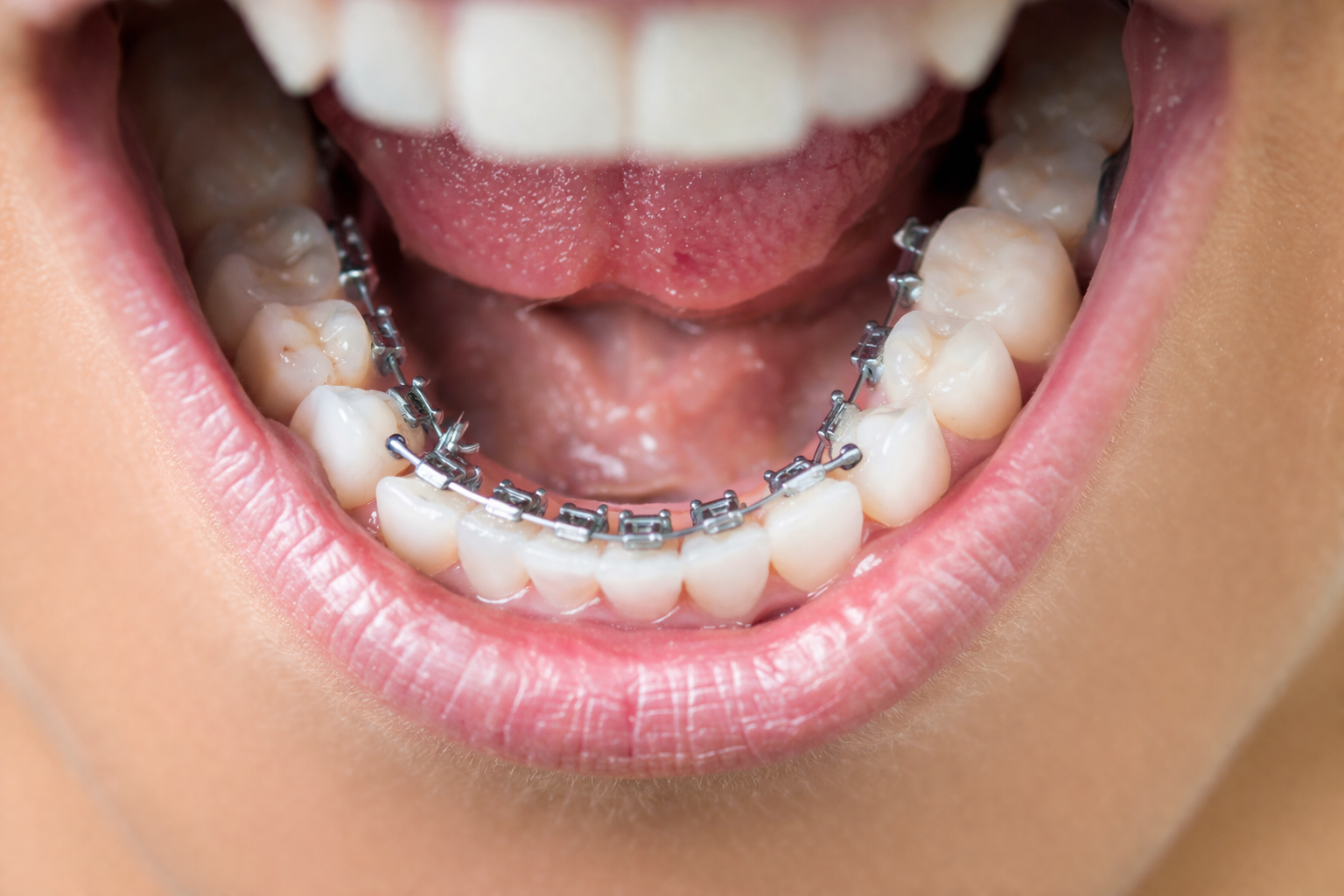
These braces work just like metal braces but the big difference is that they are stuck to the back of the teeth to make them totally invisible from the front.
How They Work
Just like metal braces, they use brackets and wires, however, what makes them distinct is their hidden placement.
Benefits of Lingual Braces
- Invisible when looking at a person
- Individually made for each tooth
- Perfect for those who want to keep their appearance unchanged
Drawbacks
- Very costly compared to standard braces
- Hard to keep them sufficiently clean
- Speech problems for a short period may be experienced
- Lips and tongue may get irritated initially
Best For
Those who are looking for completely invisible orthodontic treatment yet want more control over the treatment than they can get from clear aligners.
4. Self-Ligating Braces
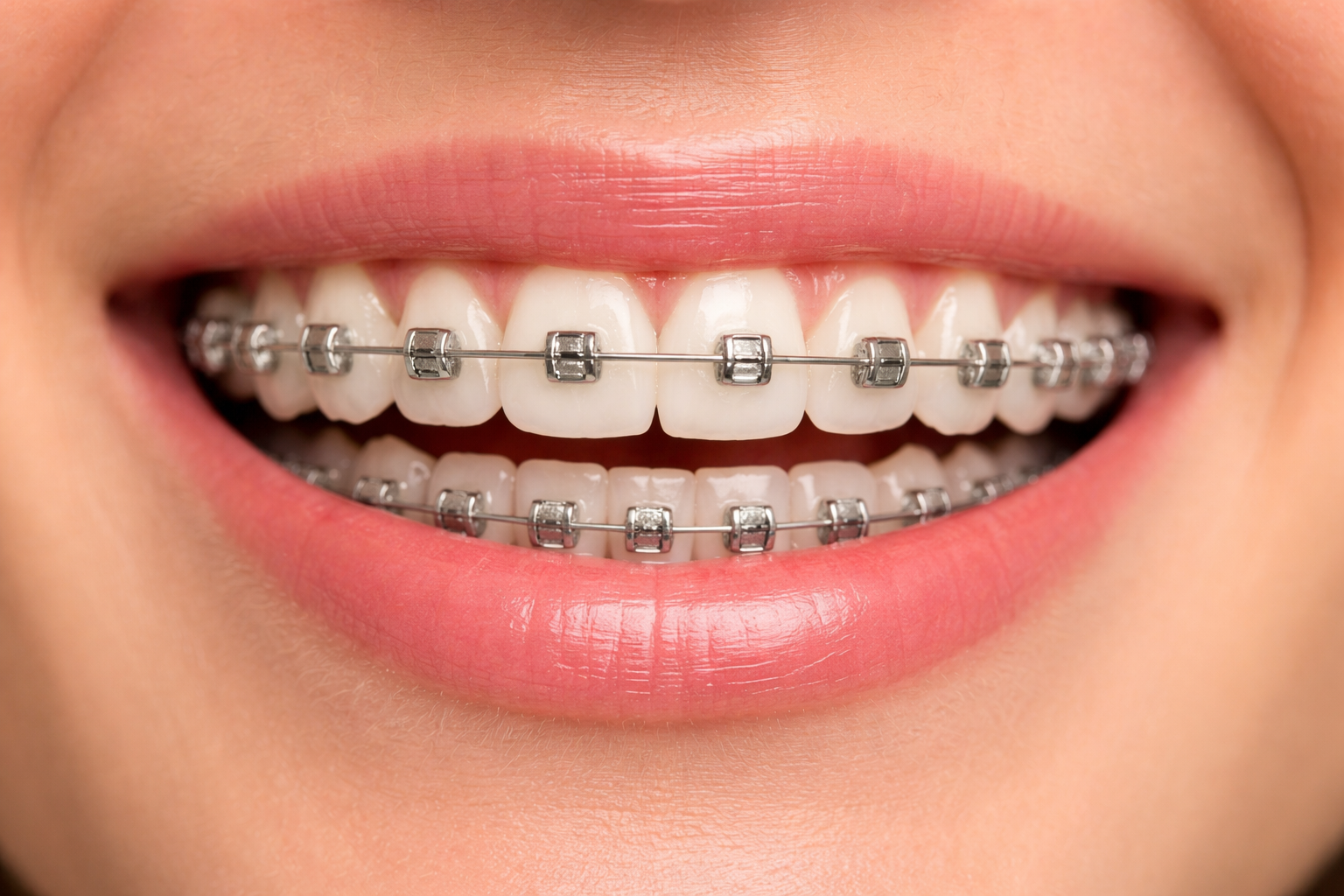
These braces seem similar to traditional braces, however, instead of using elastic bands, a special clip system is used to hold the wire in place.
How They Work
Since the clip does not generate any force on the wire, it can move freely and this may result in less friction and easier adjustments.
Benefits of Self-Ligating Braces
- Cleaning is easier compared to traditional braces
- Dental visits may be less frequent
- Some patients say that their level of comfort improves
- Available both in metal and ceramic varieties
Drawbacks
- The price is often higher than standard metal braces
- Depending on the chosen material, they may still be visible
Best For
Those who want the latest equipment of the braces system with shorter duration of appointments, easier upkeep as well as various comfort features.
5. Clear Aligners
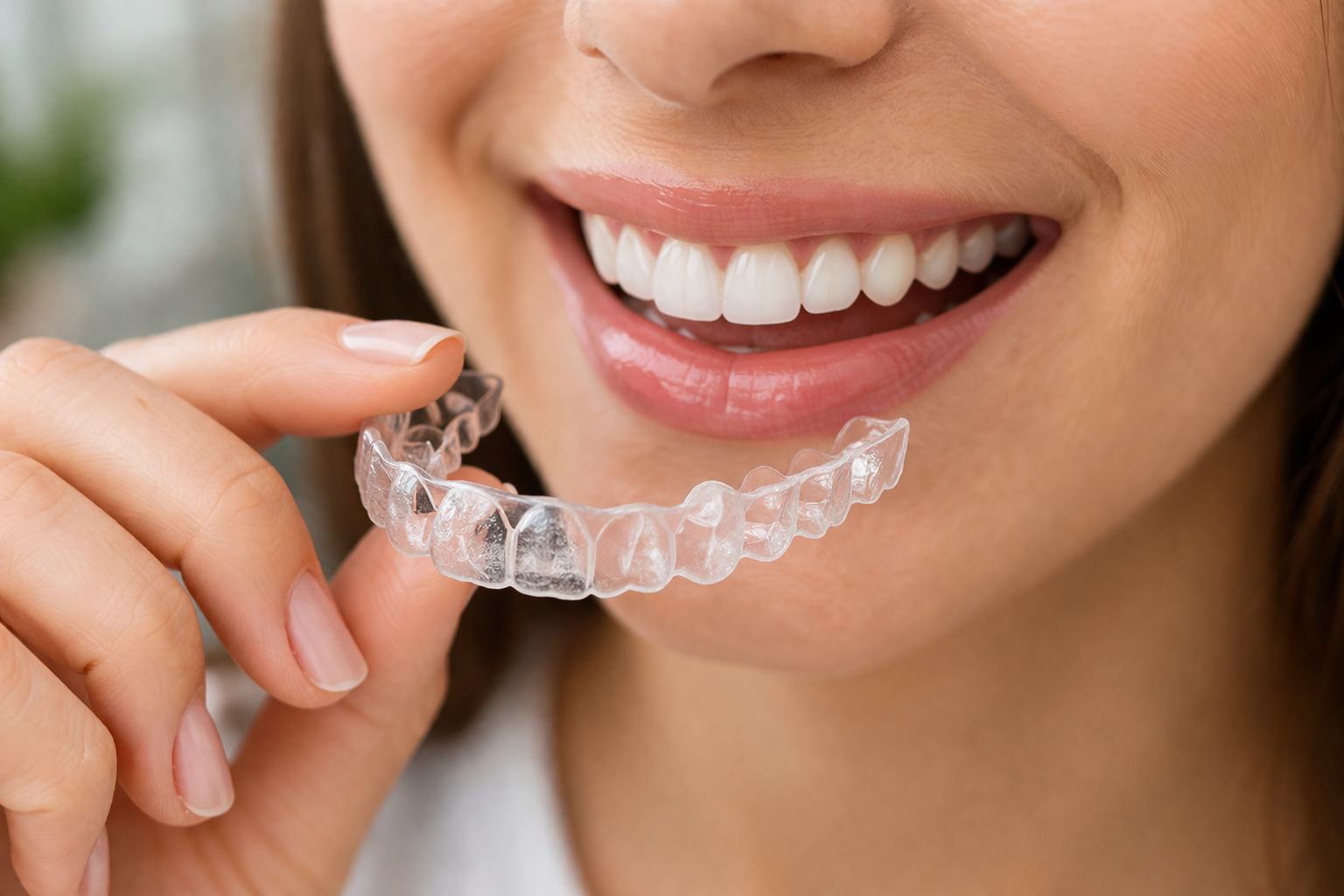
Clear aligners are sort of “braces 2.0”, with a really sleek, modern edge, almost invisible and highly wearable.
How They Work
You progress through a set of aligners, getting a new one every week or two as your teeth gradually adopt the new positions.
Benefits of Clear Aligners
- Practically invisible
- Can be removed during eating and brushing
- Much more comfortable than braces
- Without restrictions on the diet
- Oral hygiene is much easier
Drawbacks
- Not suitable for very complex orthodontic problems
- Wearing them for 20-22 hours a day requires a lot of willpower
- Typically more expensive than metal braces
- If regularly removed, it is not hard to lose
Best For
Those who lead active lives, want to get away with the orthodontic treatment without anyone noticing, and want to keep their teeth healthy at the same time.
Comparison of Orthodontics Braces Types
Let’s see a summary of each of the visual aspect, price level, comfort level, and suitability of the most popular types of braces.
Which Type of Braces Is Best?
The “best” type of braces is subjective, depending on your priorities. Factors you may consider include your:
1. Dental Condition Severity
Metal braces or self-ligating braces are generally better for addressing serious crowding, bite problems, or jaw alignment issues.
2. Desired Look
For a nearly invisible look, ceramic, lingual braces, or clear aligners are top picks.
3. Finances
Metal braces usually are the least expensive; lingual braces and clear aligners, on the other hand, can be pricey.
4. Daily Life
If you are a sportsperson or like attending events or simply want an easy carrying solution, then clear aligners may be the right option.
5. Hygiene and Self-discipline
If you are a removable aligner user, you need to be very consistent with wearing them. If you are prone to occasional forgetfulness, fixed braces might be better.
How Long Do Braces Take to Work?
There is no definite answer as to how long the braces will take to work as it mainly depends on the problem and the type of braces used.
Typical treatment durations:
- Minor problems: 6 to 12 months
- Moderate: 12 to 24 months
- Difficult cases: 24 to 36 months
In order to maintain proper progress, you should follow your orthodontist’s directions and keep your regular appointment schedule.
Tips to Take Care of Braces
Whichever your selection, it is necessary that you take good care.
Oral Care Tips
- Brush teeth after each meal
- Floss with special orthodontic tools or floss threaders
- Use protective mouthwash
- Stay away from sticky and hard foods if you have fixed braces
- Wear your aligners the required amount of time
- Do not skip your orthodontic visits
Keeping up the good oral hygiene prevents cavities, gum diseases and discoloration during your orthodontic course.
Are Braces Painful?
Usually braces aren’t painful; however, wearing them can cause slight discomfort and pressure particularly after molding and when you get a new aligner tray.
Most frequent short-lived side effects:
- Toothache for several days
- Minor irritation of the oral mucosa
- Pressing sensations on teeth
- Inability to eat properly in the beginning
The symptoms generally disappear once your mouth gets used to them.
Braces for Kids, Teens, and Adults
It is no longer true that braces are solely children’s stuff. At any age, one can undergo treatment for a smile. And it is not only results-driven but also transformative.
Kids
In some cases a child’s teeth may be corrected more easily if the orthodontic treatment goal occurs while the jaw is still growing and grading adjustments may also be planned / working with the child’s natural growth.
Teens
Teenagers, being at a stage when they begin to take better care of brushing and flossing have the most well-known options including clear aligners as well.
Adults
While it may be a concern for adults, “invisibility” is not the only factor when choosing braces. More and more people are opting for ceramic braces, lingual braces, or clear aligners.
Knowing the main types of orthodontics braces will enable you to decide with confidence which one suits you best. Waiting for the orthodontist in a comfortable chair with one unexpected slave of metal may often produce a smile that includes the thought “this is the best choice I have ever made”.
Whatever you choose should be based on a consultation with an orthodontic expert who will examine your teeth, bite, and discuss with you the goals of treatment. A beautiful, healthy smile is within reach with the right treatment plan.
If you are thinking of braces, keep in mind that the benefits of orthodontic care go far beyond a pretty smile—they represent an enhancement of your oral health, self-confidence, and comfort over the long run.
Related Post: