
Among the great variety of snakes found in India, some are very dangerous and others are completely harmless. As a part of the food chain, snakes, together with other reptiles, play a very important role. They are also among the key natural rat and mouse population controllers. If not managed, rodents could heavily damage the crops and also transmit human diseases. However, on the other hand, a few species of snakes are very venomous and their bite can even lead to death if proper treatment is not given on time. Gaining knowledge about snakes, their way of life, and their habits can help the human-snake coexistence and protection of both sides.
Keeping this in mind, we have compiled a list of the 15 most dangerous snakes in India along with their key features, habits, and a few basic safety rules to help prevent bites.
1. Indian Cobra (Naja naja)
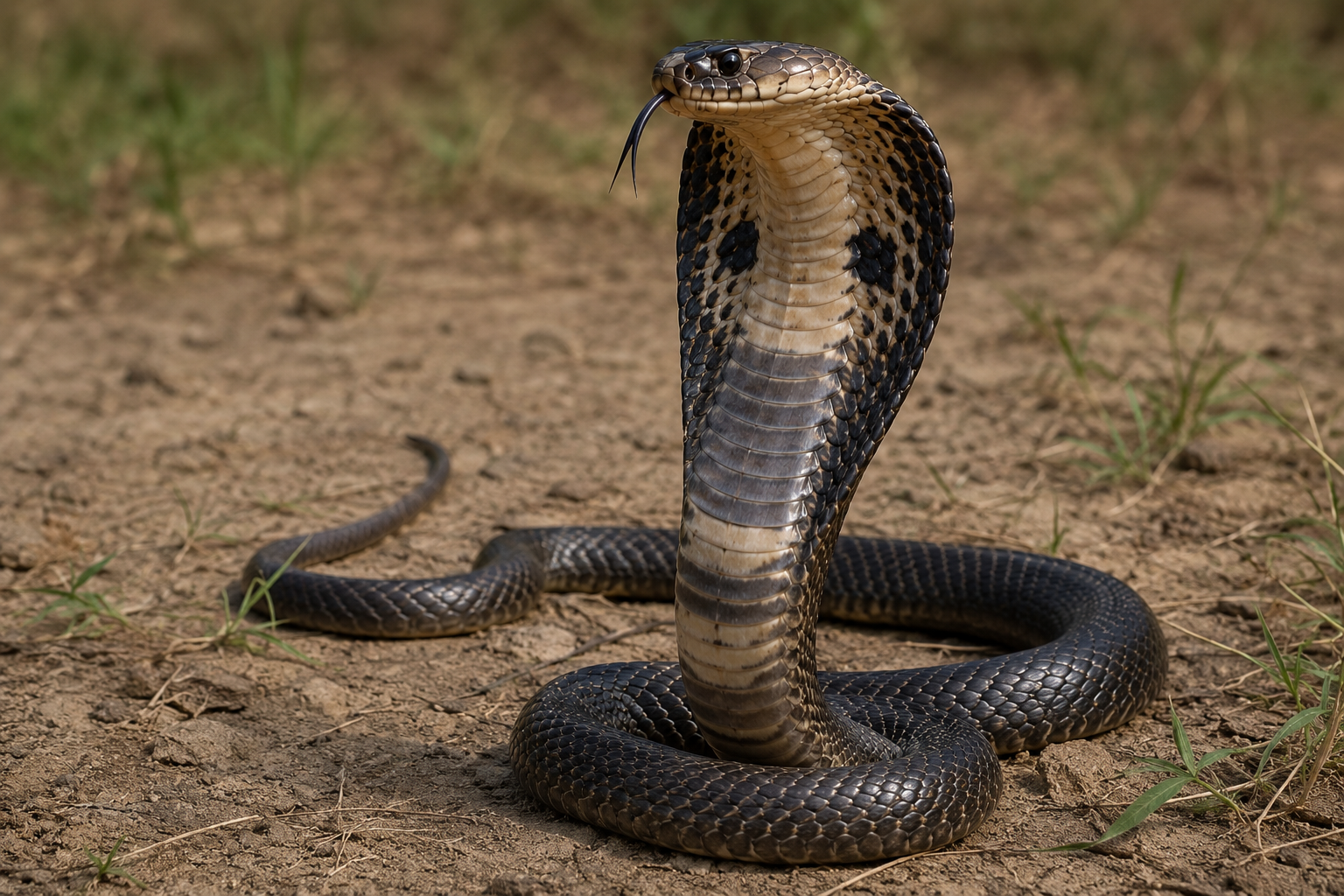
Indian Cobra is one among the very few snakes to be easily spotted by nearly all the residents of India due to the similarity of their hood to that of the cobra in the previous films.
Main Features:
- Hood with unique designs
- Extremely dangerous neurotoxic venom
- Habitat includes forests, farm fields as well as cities
Risk Level: Very High
2. Common Krait (Bungarus caeruleus)
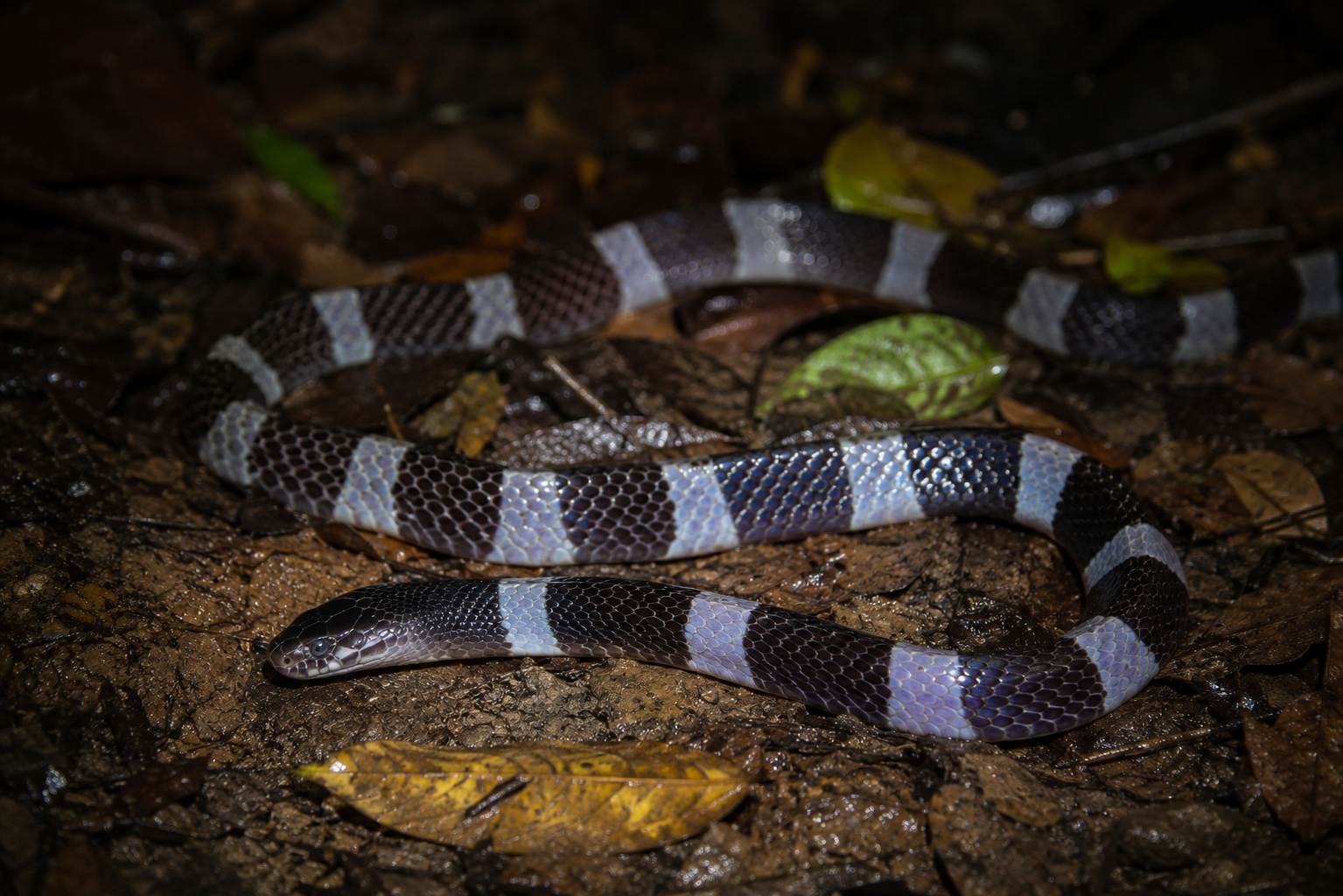
Common Krait is the greatest contributor to the death of the victims due to snakebite in India.
Main Features:
- Glowing black with white lines
- Primarily nocturnal
- Very potent neurotoxic venom
Risk Level: Extremely High
3. Russell’s Viper (Daboia russelii)
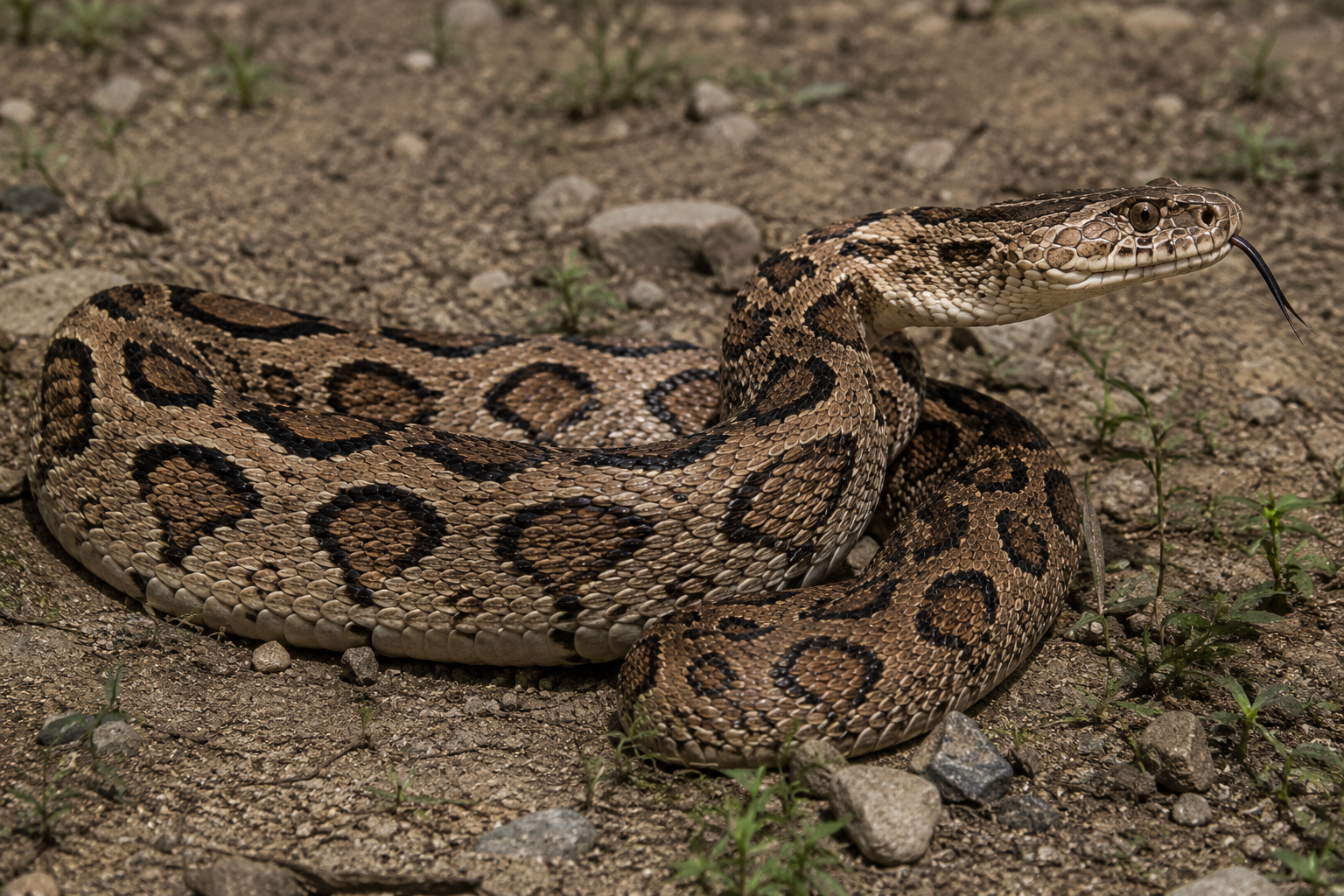
On top of “Big Four” venomous snakes in India, Russell’s Viper is among those.
Main Features:
- It is a large snake with robust body
- Distinctive chain-like patterns make it identifiable
- It induces severe tissue damage and impair blood clotting
Risk Level: Extremely High
4. Saw-Scaled Viper (Echis carinatus)
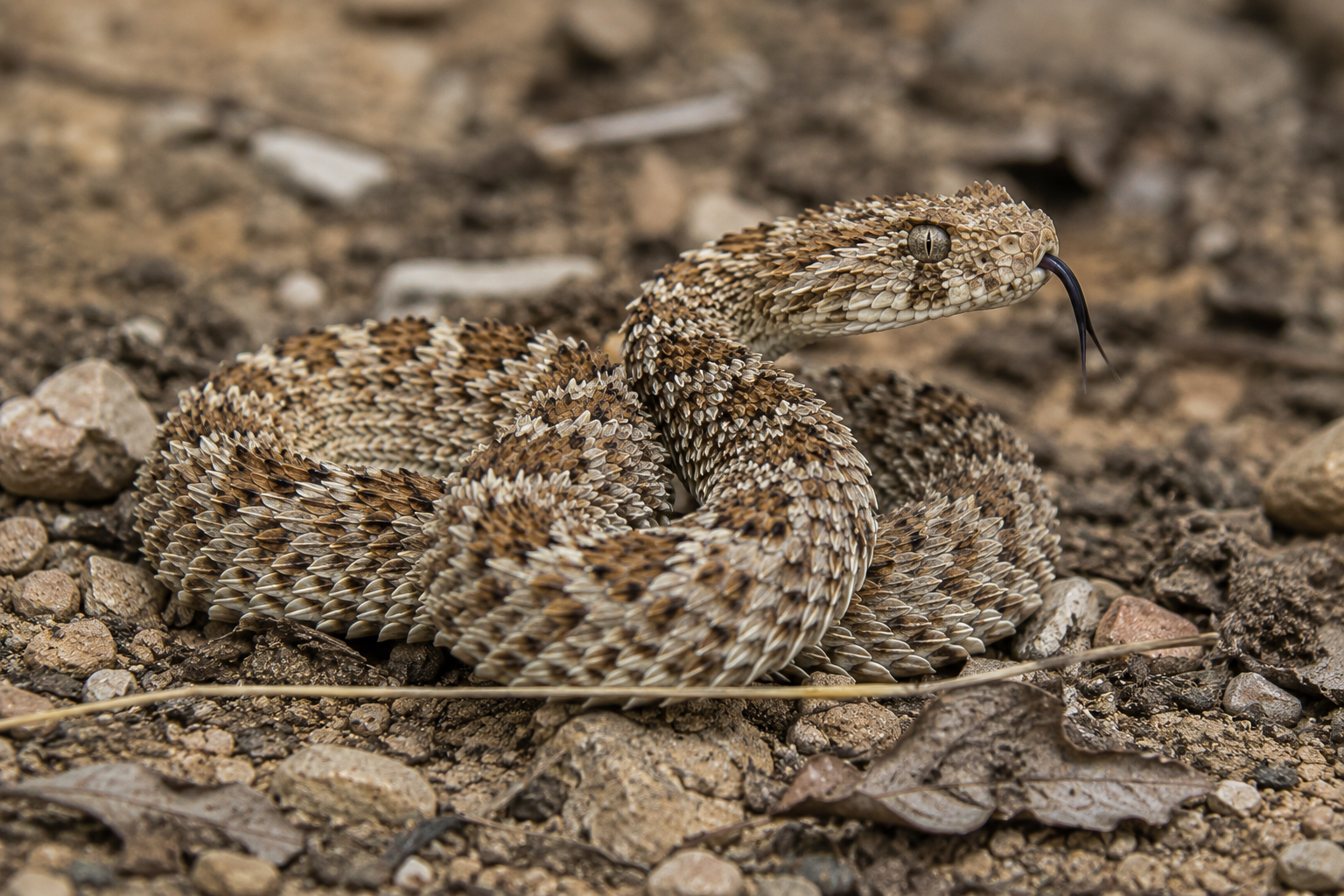
Although this viper is rather small, it is very fierce and aggressive, thus it is quite a dangerous species.
Main Features:
- makes a hissing sound when rubbed scales against each other
- Common in arid regions
- Highly poisonous venom
Risk Level: Very High
5. King Cobra (Ophiophagus hannah)
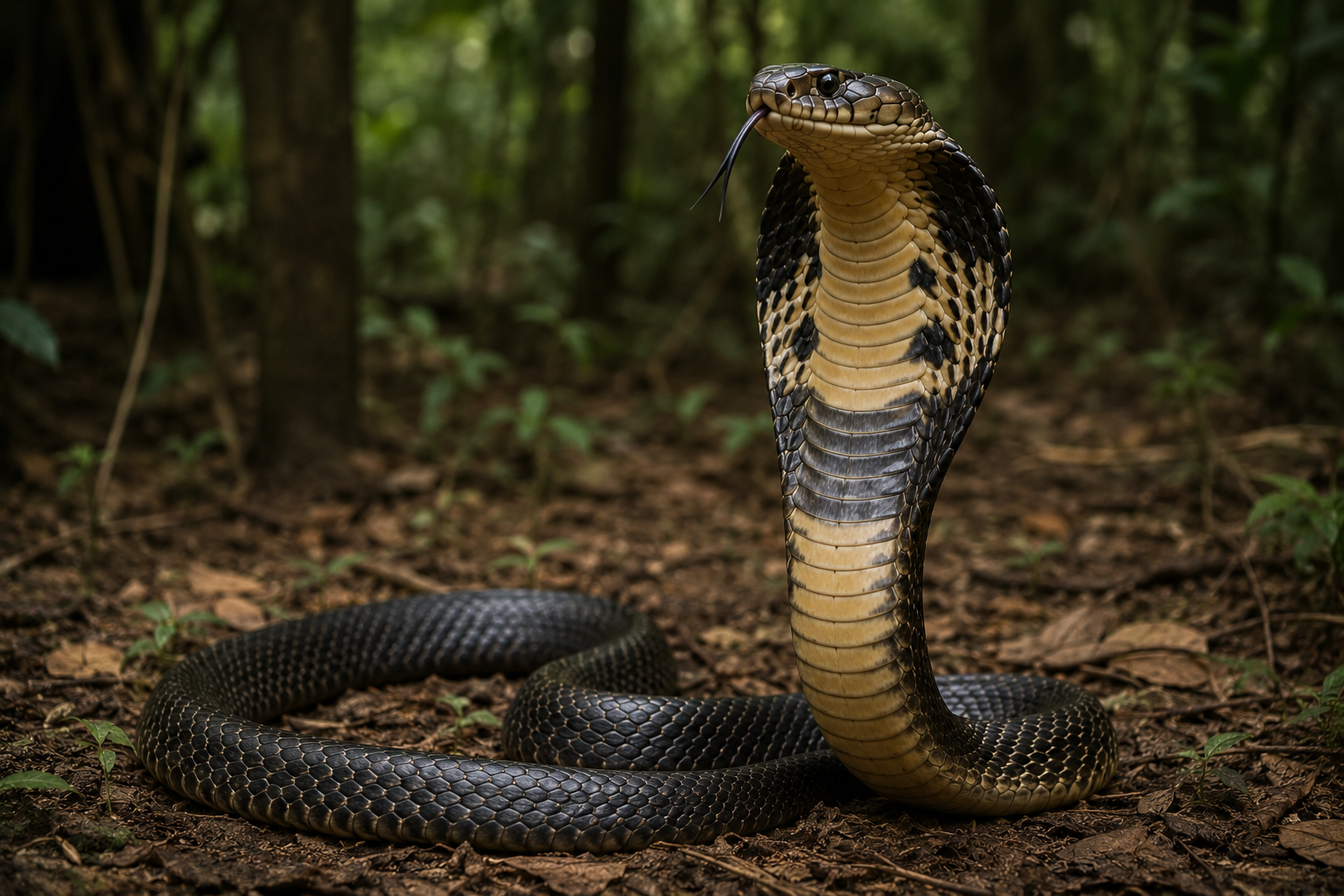
King Cobra is the longest venomous snake on planet Earth.
Main Characteristics:
- May reach a length beyond 5 meters
- Mainly preys on other snakes
- Occurs in forests of southern and northeastern Indian states
Risk Level: Very High
6. Banded Krait (Bungarus fasciatus)
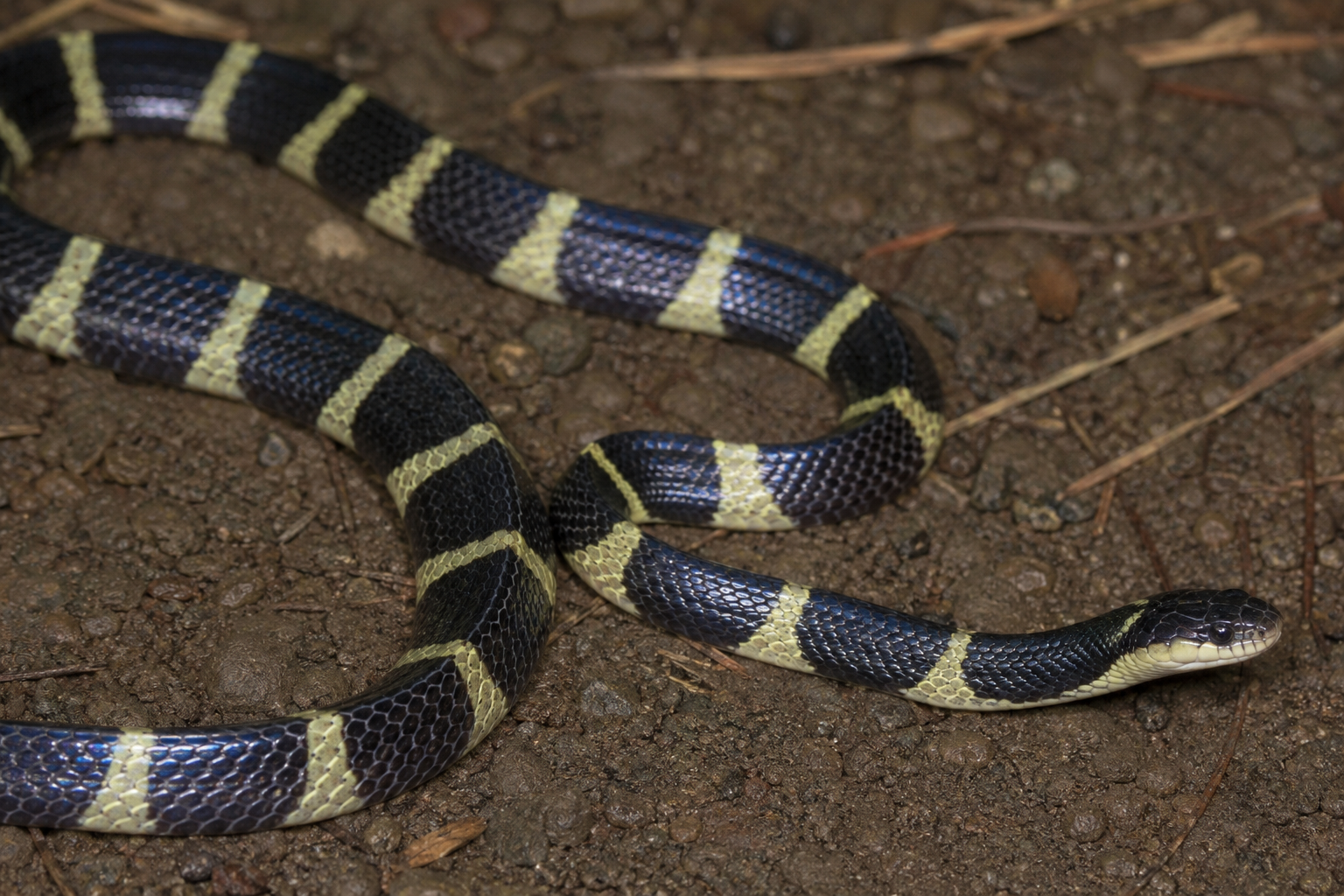
Banded Krait has got their black and yellow bands faithfully reproduced in various artworks.
Main Characteristics:
- The venom is a powerful neurotoxin
- Unlikely to be hostile and aggressive
- Commonly found in eastern and northeastern parts of India
Risk Level: High
7. Monocled Cobra (Naja kaouthia)
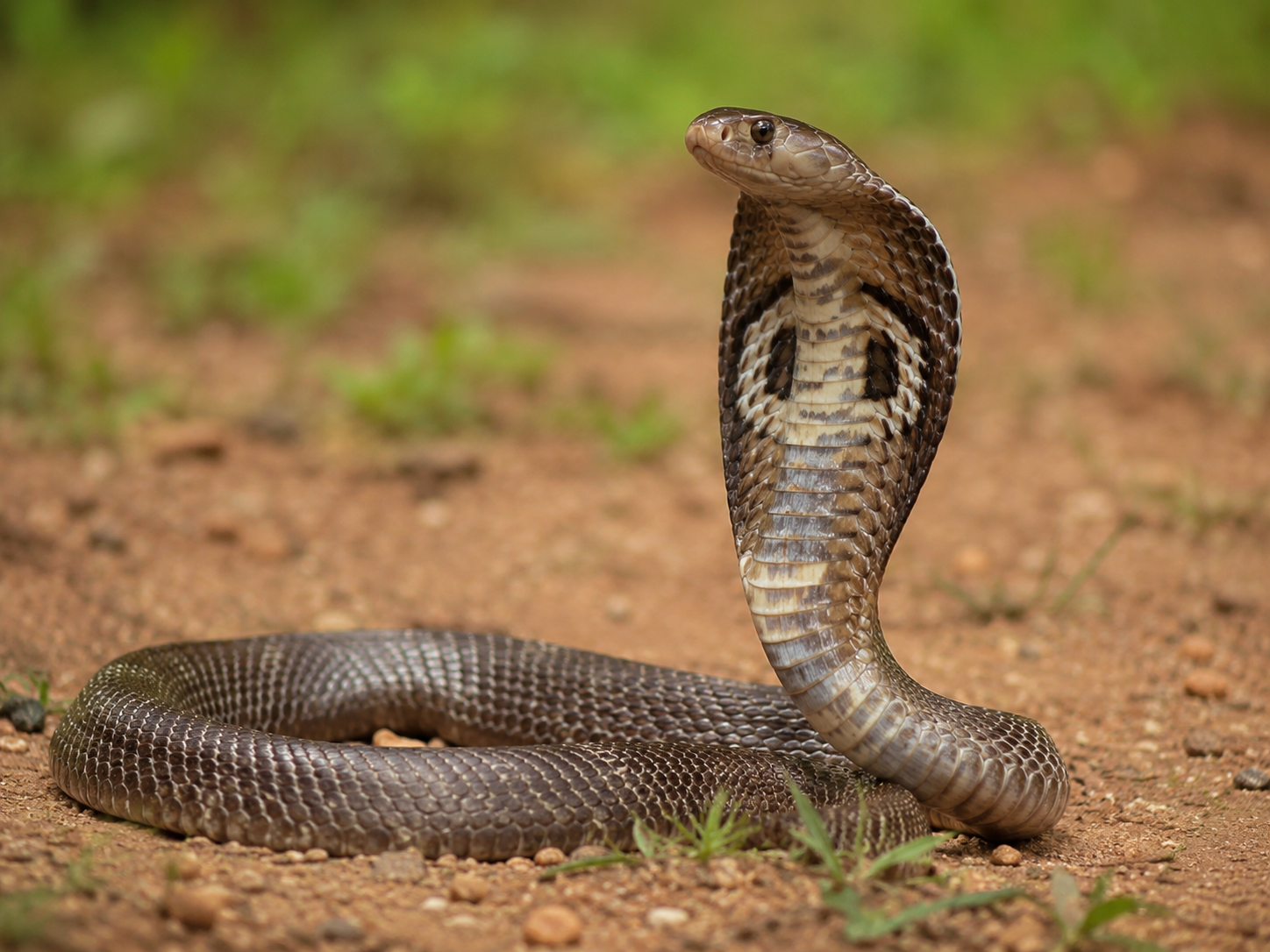
Monocled Cobra is mainly distributed in the northeastern states of India.
Main Characteristics:
- Circular mark on the hood
- Defensive and quick mover
- Neurotoxic venom with high concentration
Risk Level: High
8. Andaman Cobra (Naja sagittifera)
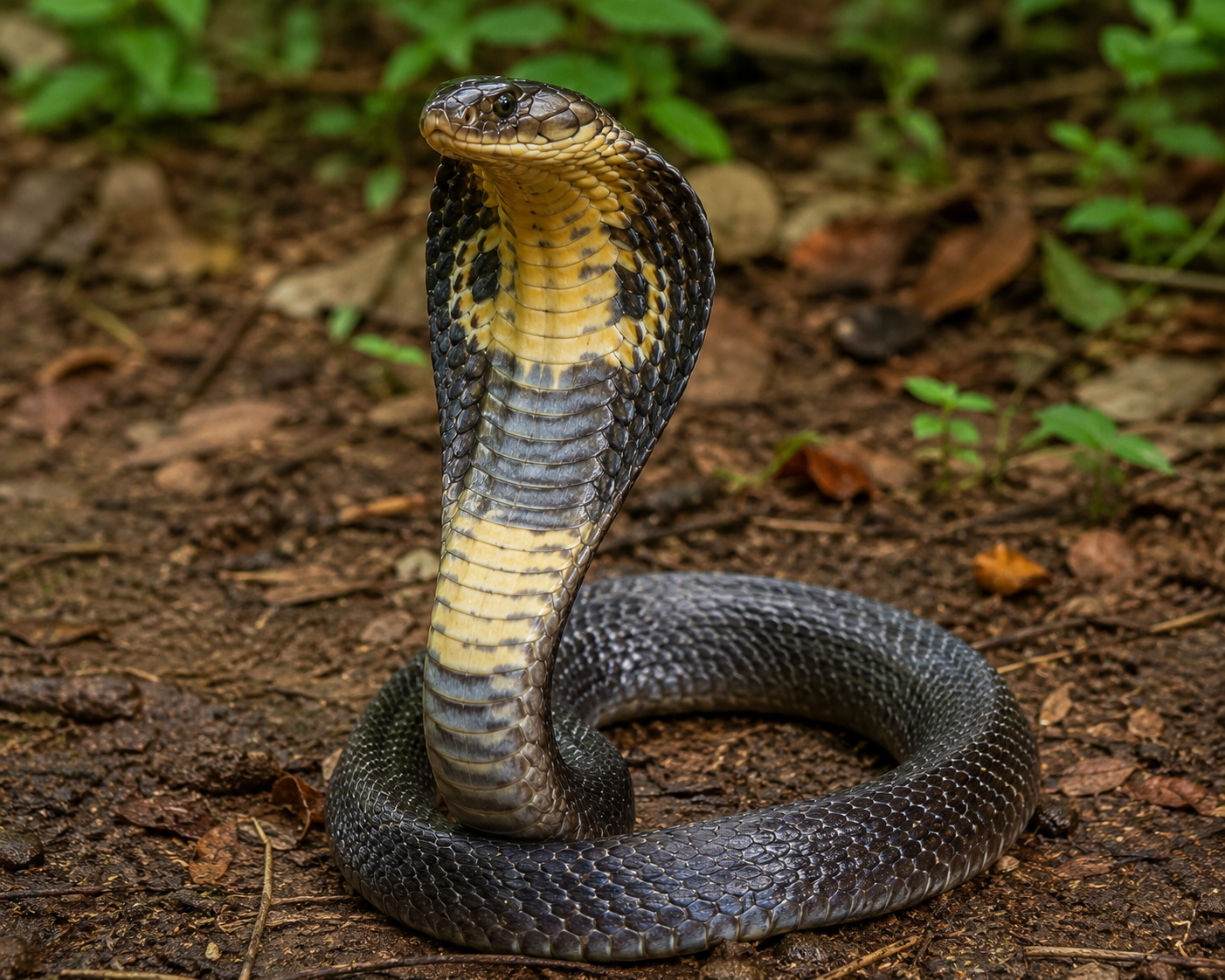
The Andaman Islands are the exclusive home for this snake, which is extremely dangerous.
Main Characteristics:
- Species found only
- Very few have seen
- Powerful neurotoxic venom
Risk Level: High
9. Himalayan Pit Viper (Gloydius himalayanus)
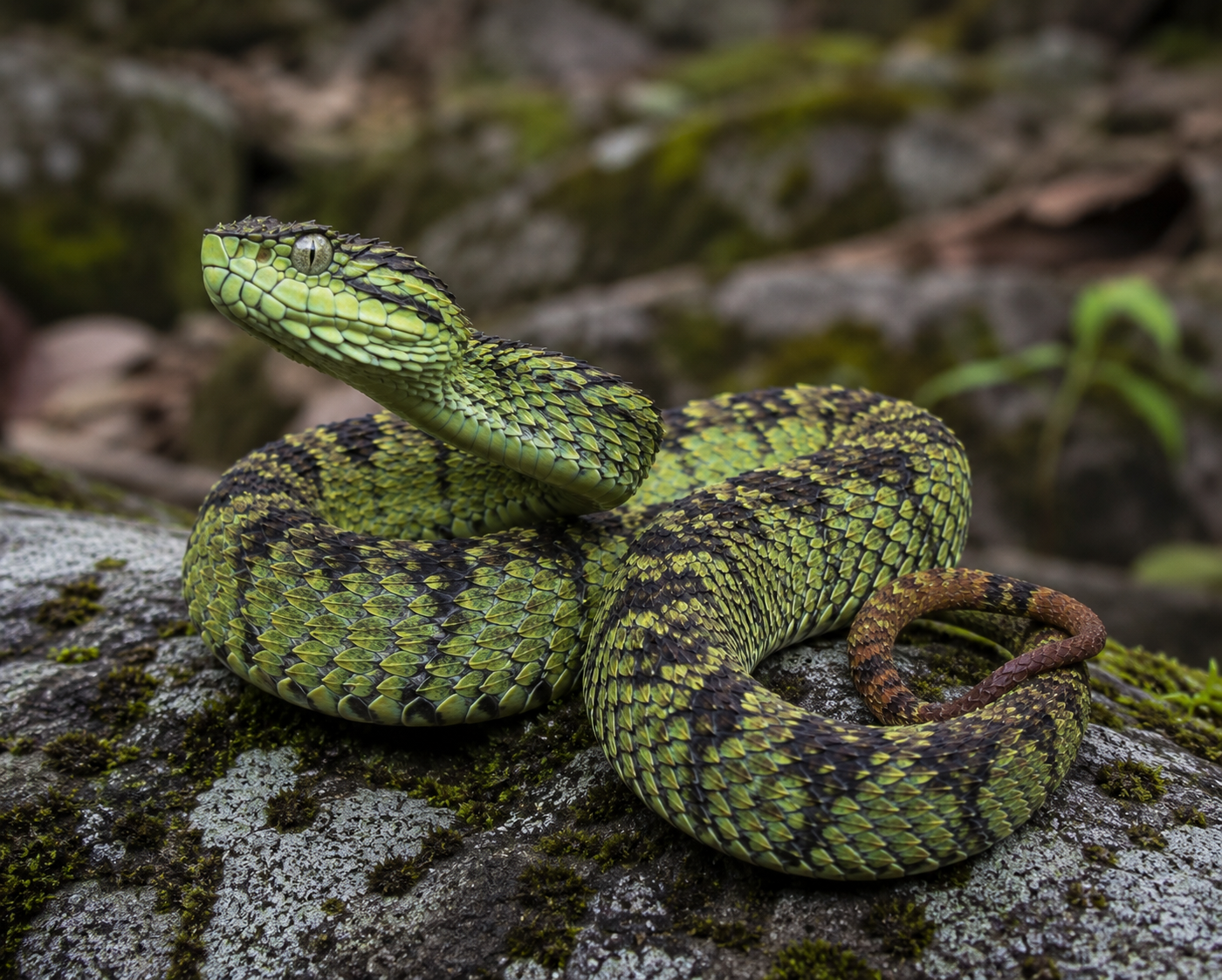
There is usually no other species of pit viper expected to be seen apart from the Himalayan Pit Viper in the Himalayan Region.
Main Characteristics:
- Mountain habitat
- Disguised looks
- Hemotoxic venom
Risk Level: Moderate to High
10. Bamboo Pit Viper (Trimeresurus gramineus)
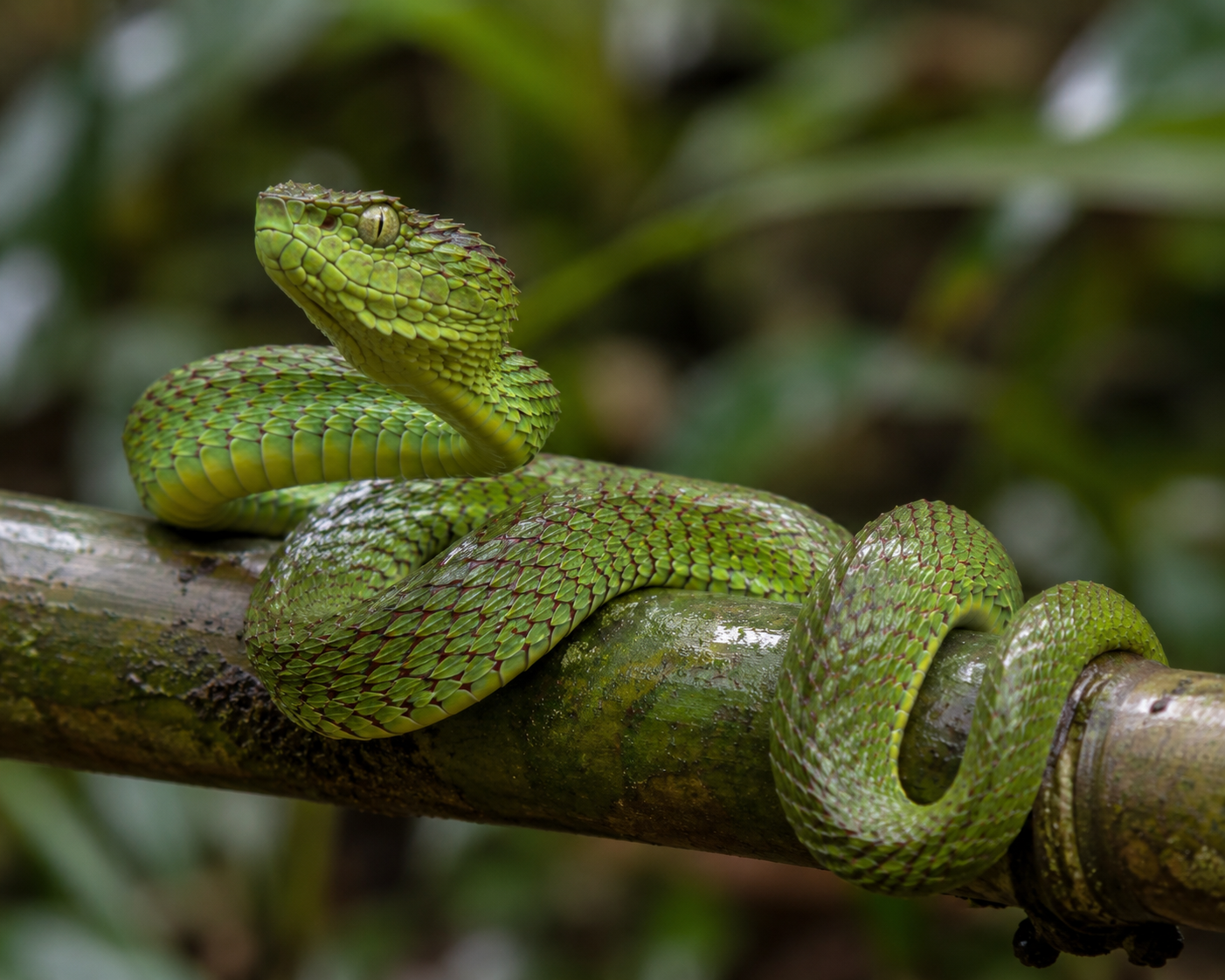
The bright green coloration of the Bamboo Pit Viper makes it a very attractive species to many nature lovers.
Main Characteristics:
- Masterful disguise
- Tree-dwelling behavior
- Venom will cause extreme pain along with swelling
Risk Level: Moderate
11. Malabar Pit Viper (Craspedocephalus malabaricus)
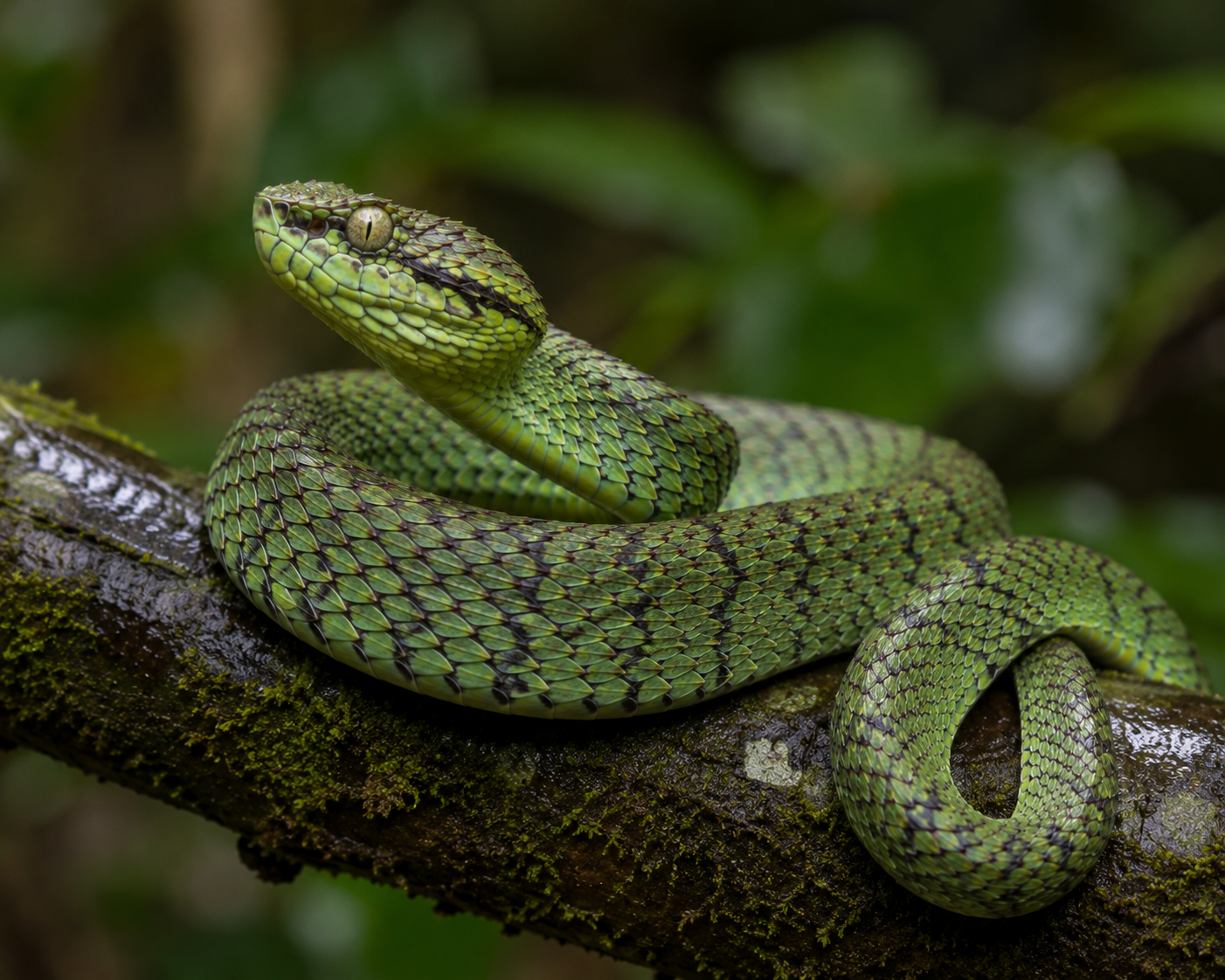
Mostly found in the Western Ghats.
Main Characteristics:
- Colors vary quite a bit
- Tree-dwelling species
- The damage caused by the venom is localized
Risk Level: Moderate
12. Hump-Nosed Pit Viper (Hypnale hypnale)
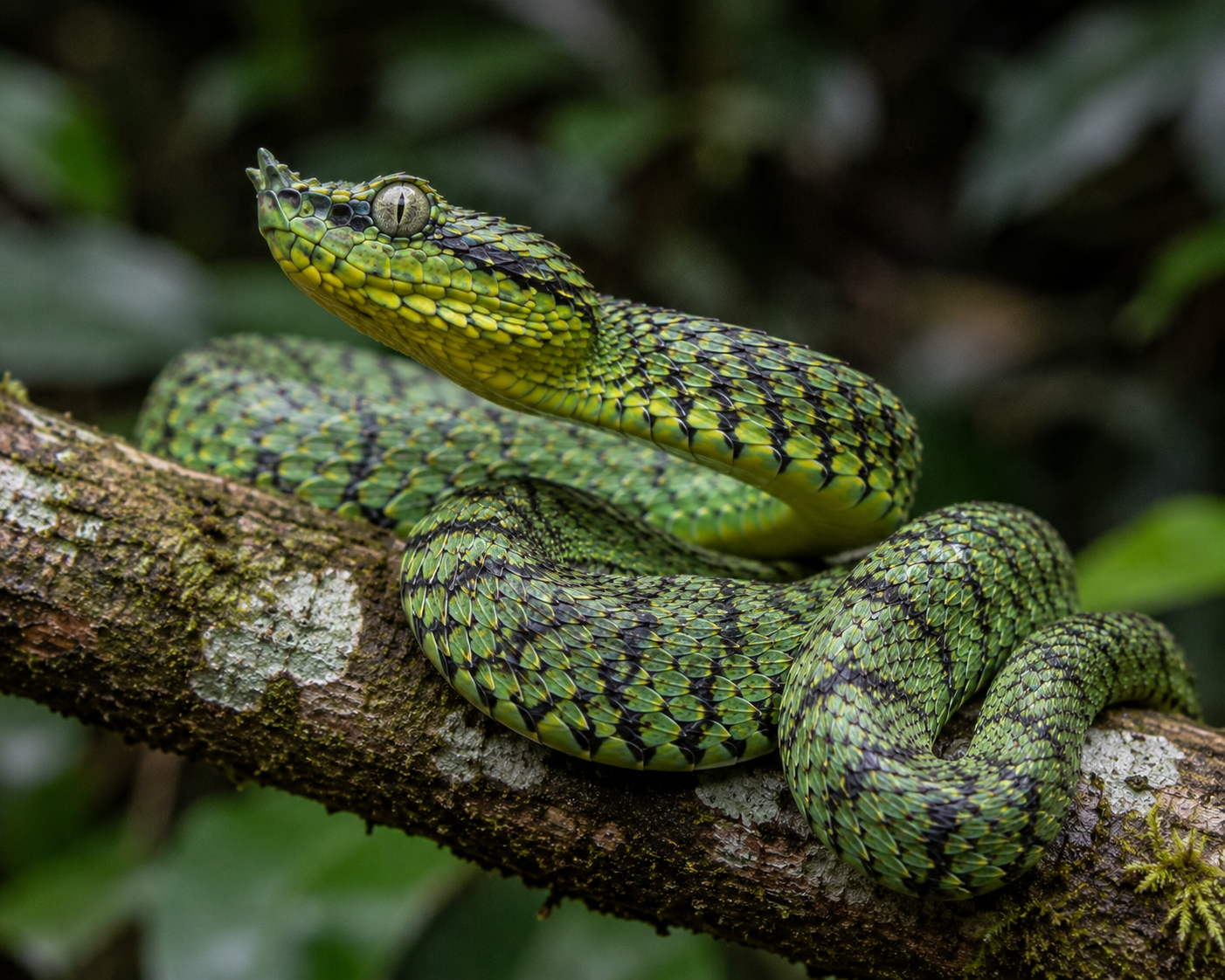
A small venomous viper that packs a punch from a medical perspective.
Main Characteristics:
- The nose is very short
- Occurs in southern India
- Bite can result in death and other serious complications
Risk Level: Moderate
13. Green Pit Viper (Trimeresurus species)
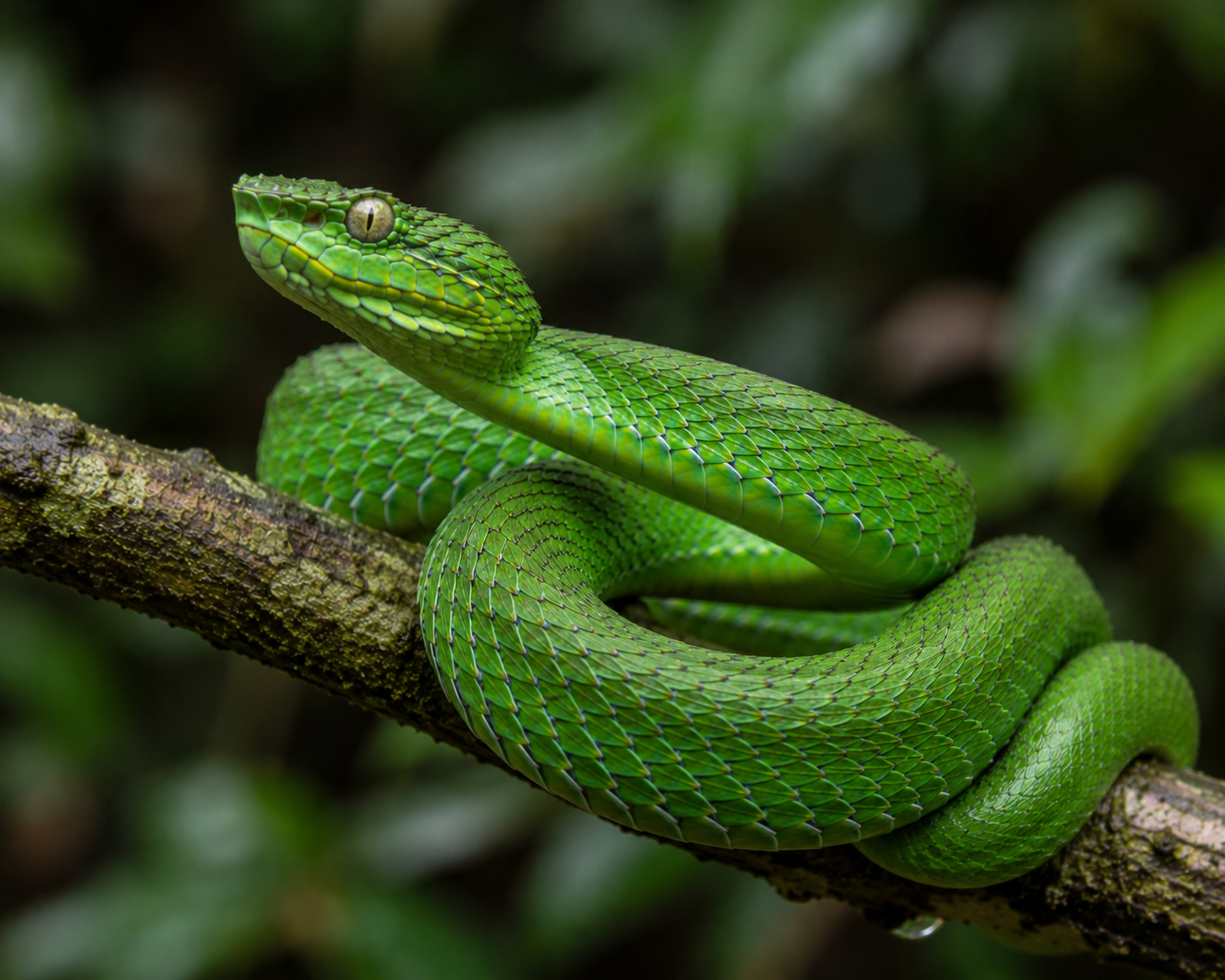
Different green pit viper species are found in different parts of India.
Main Features:
- The color is bright green
- Best possible disguise
- The venom disables blood clotting
Risk Level: Moderate
14. Coastal Taipan-Like Coral Snake (Calliophis species)
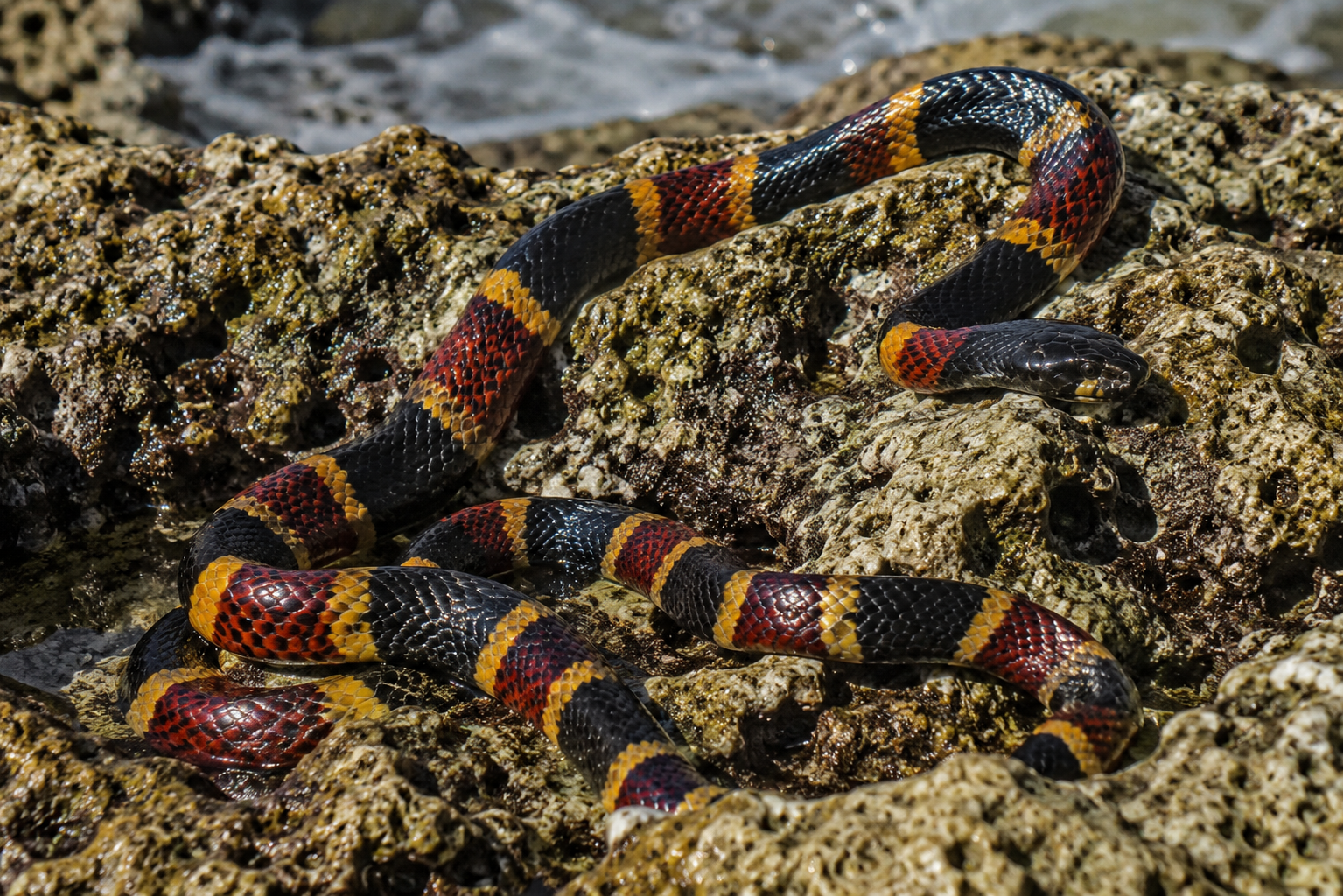
Although small, coral snakes pack a lethal punch.
Main Features:
- Warning colors that are quite bright
- Living very much in secrecy
- Very powerful neurotoxic venom
Risk Level: Moderate to High
15. Indian Wolf Snake (Often Misidentified)
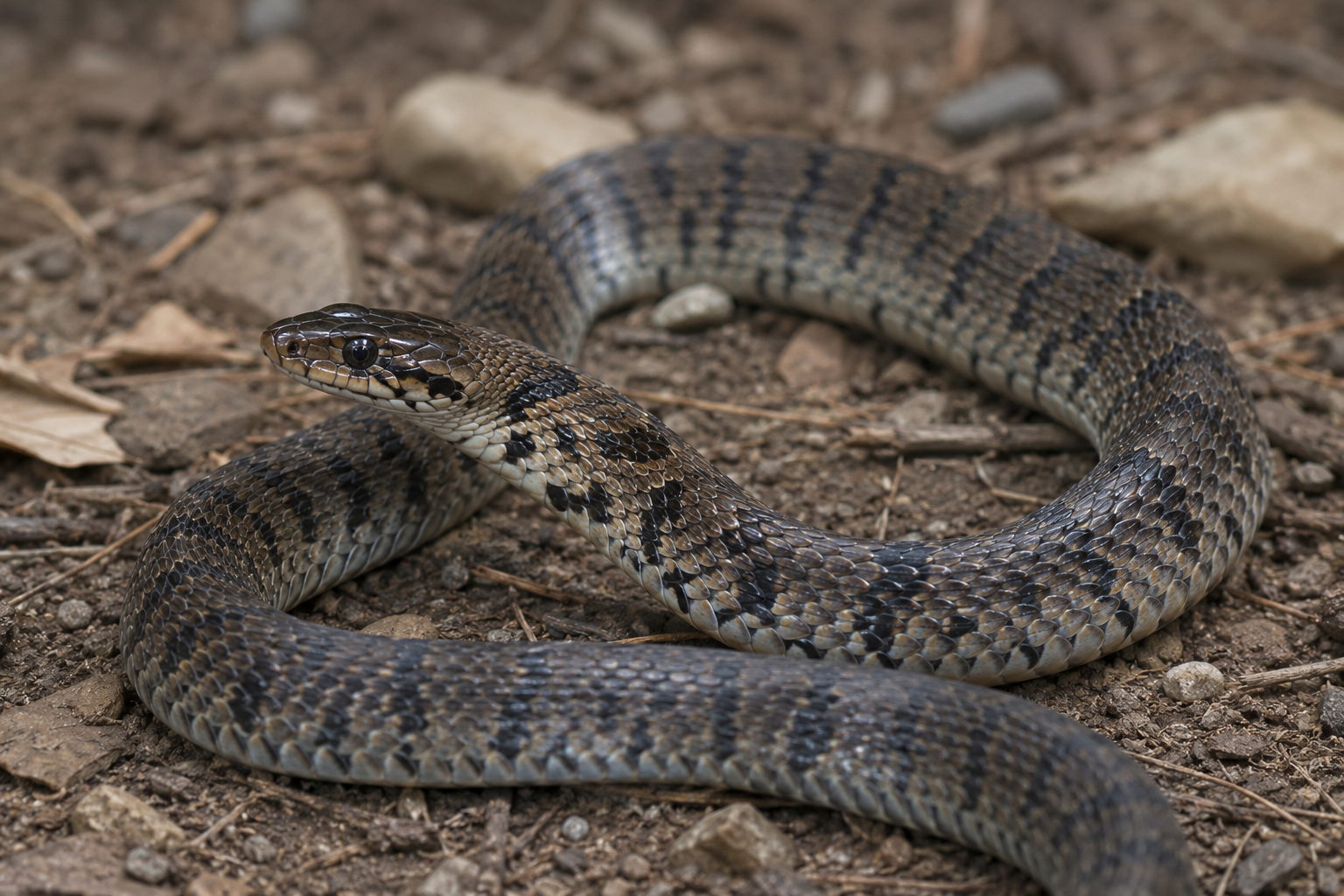
Indian Wolf Snake hasn’t got that deadly venom if you compare it with the major venomous species. The thing is, this snake is often mistaken by people as the highly venomous kraits.
Main Features:
- Looks closely resemble that of kraits
- No or very mild venom
- Often found near homes
Risk Level: Low
The “Big Four” Most Dangerous Snakes in India
The majority of serious snake poisoning incidents in India are attributed to these four snake species:
| Snake Species | Type of Venom | Primary Effect on the Body |
| Indian Cobra | Neurotoxic | Attacks the nervous system, causing paralysis and breathing difficulties. |
| Common Krait | Neurotoxic | Affects nerve signals, leading to muscle weakness and respiratory failure. |
| Russell’s Viper | Hemotoxic | Damages blood cells and tissues, causing internal bleeding and organ damage. |
| Saw-Scaled Viper | Hemotoxic | Disrupts blood clotting, leading to severe bleeding and tissue injury. |
These species have the major share of causing medically significant snakebite situations throughout India.
How to Protect Oneself from Snakebite?
1. Wear Footwear that Protects You
Boots and long pants should be used when walking in fields, forests, or areas covered with grass.
2. Never Try to Handle Snakes
You should not go after or disturb the snake in any way.
3. At Night, Use a Torch
A lot of venomous snakes are active only after the dark.
4. Keep Your Surroundings Neat
Get rid of wood piles, debris, and garbage that may attract snakes.
5. Get Professional Medical Help Immediately
In the event of a snake bite:
- remain calm;
- immobilize the biting limb;
- do not cut or suck the wound;
- get to the hospital at once.
The Role of Snakes in the Environment
Snakes have got an unfair rap, but they are extremely important in keeping nature balanced. They act as natural pest controllers by keeping the rodent population in check, thus indirectly helping the agriculture by saving crops.
Besides, these reptiles add to the biological variety of the earth. Most of the time snakes try to stay away from humans and bite only if they feel in danger.
FAQ’S
Q1: What is the ecological role of snakes?
Serpents have a significant part in preserving the ecosystem in that they control the mice, which would otherwise eat all the crops and cause the spread of the disease.
Q2: Which are the “Big Four” most dangerous snakes in India?
The “Big Four” snakes that lead to the most venomous bites in India are Indian Cobra, Common Krait, Russell’s Viper, and Saw-Scaled Viper.
Q3: What are some dangerous snakes in India?
Indian Cobra, Common Krait, Russell’s Viper, Saw-Scaled Viper, and King Cobra are some examples of snakes that are highly hazardous to humans in India.
Q4: What are some common features of the Indian Cobra?
The special characteristic of the Indian Cobra is its hood with unique designs and it owns extremely dangerous neurotoxic venom. It is discovered in the wild, farmlands, and city areas.
Q5: Why is the Common Krait considered extremely dangerous?
The Common Krait is a highly venomous snake with potent neurotoxin. Because it is nocturnal, it is a very important snake in relation to snake bites in India.
Related Post: